
Massive Valve leak reveals Portal 2 builds and Episode Three
 James Whitfield
2 min read
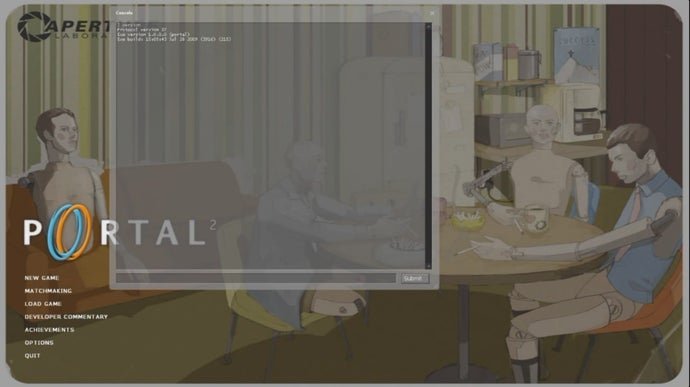
A substantial archive of Valve's internal development files has emerged online, reportedly containing around 12 terabytes of source code, builds, and game assets spanning a decade of the studio's history. The leak, which covers material from 2003 through 2013, was first identified on Friday by social media user Gabe Follower, who noted the collection includes early iterations of Portal 2, Left 4 Dead, and CS:GO, alongside assets from the cancelled Portal prequel F-Stop and potentially material connected to the long-abandoned Half-Life 2: Episode Three.
Among the discoveries so far is a 2009-era beta build of Portal 2 and a model for the "Weaponizer," a weapon previously rumored in connection with Episode Three. The weapon appears to have been repurposed as a placeholder asset within Portal 2 itself. Researchers have also identified a fully functional Left 4 Dead beta from June 2008, complete with early interface designs, an incomplete lobby system, and discarded voice recordings. Notably, the archive contains original dialogue recorded by Alésia Glidewell for the character Zoey before actress Jen Taylor took over the role in the final release.
The material reportedly originated from Valve's legacy Steam2 content-delivery system, which the company phased out in favor of SteamPipe during the early 2010s. This leak is separate from a security incident Valve disclosed earlier this month involving CEVA Logistics, a European shipping partner whose breach exposed customer hardware information but not Valve's game data. The studio has not yet responded to inquiries about the current leak.
With such a vast volume of files to examine, the community will likely need several days to fully catalog the archive's contents and determine what it reveals about Episode Three and other cancelled projects. Previous reporting from 2024 suggested Valve has been developing a major new Half-Life title, codenamed HLX, which sources described as "playable, end-to-end" at that time. Historical records indicate that Half-Life 3 was in active development around 2013 and 2014, designed as a procedurally-generated, replayable experience blending Left 4 Dead-style gameplay with narrative-driven sequences. The project ultimately fell through because it relied on Source 2, an engine that remained incomplete at the time.