Intel pushes XeSS upscaler support into Valve’s Proton
 James Whitfield
2 min read
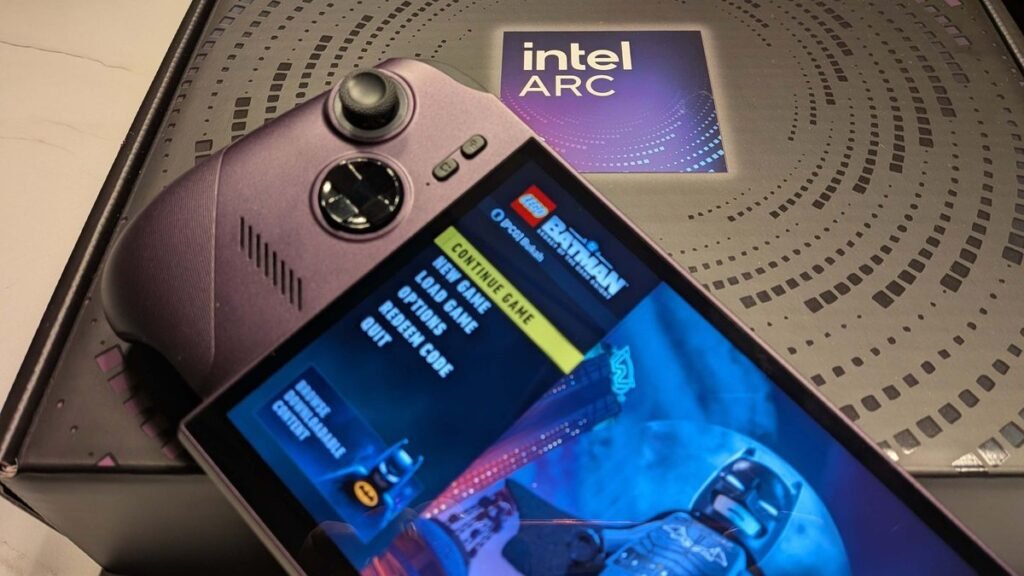
Intel is working to integrate its XeSS upscaling technology into Valve's Proton compatibility layer, marking a significant step toward better Linux support for Intel-based handheld gaming devices.
Proton serves as the bridge allowing Windows games to run on Linux systems, and it has been instrumental in the Steam Deck's success and SteamOS adoption. Intel's latest move involves adding support for XeSS, the company's upscaling solution, which can operate through two different methods. The first uses DP4a technology for broad compatibility across various GPU manufacturers, while the second leverages XMX cores found on Intel's own graphics processors. The XMX approach is preferred because it delivers superior performance.
According to Intel engineer Damian Tomczak's pull request, the implementation would create a built-in library that redirects XeSS Direct3D 12 calls to the Linux version of the XeSS library. This allows the upscaler to use the faster XMX acceleration path within Proton rather than falling back to slower alternatives. The technical approach converts Direct3D 12 objects to Vulkan through vkd3d-proton's interoperability interface.
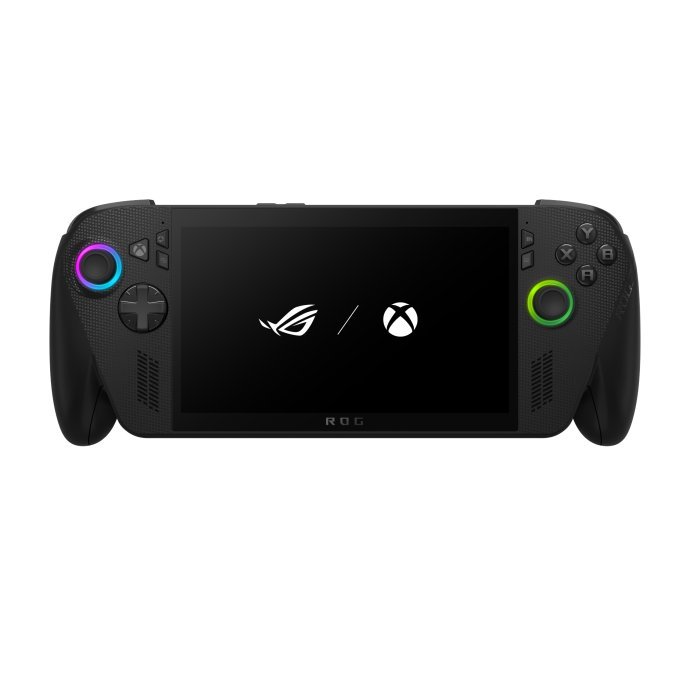
The broader context for this development involves Intel's presence in the handheld gaming market. While devices like the MSI Claw 8 EX AI+ currently run Windows and feature Intel's Arc G3 Extreme processor, the industry has historically seen SteamOS remain exclusive to AMD-based systems. However, this dynamic is shifting. Valve has already announced improved compatibility with both AMD and Intel platforms in recent SteamOS releases, expanding support beyond handhelds to include custom-built Steam Machines.
The ultimate goal is enabling users to transition Intel-powered handheld gaming PCs from Windows to Linux without sacrificing performance or encountering compatibility issues. If successful, this integration would allow future Intel handheld devices to run SteamOS natively while maintaining access to the full XeSS acceleration capabilities. The development represents a meaningful expansion of SteamOS compatibility and could influence the design and adoption of next-generation portable gaming hardware from multiple manufacturers.