TP-Link to Build Wi-Fi 8 Routers in US
 James Whitfield
2 min read
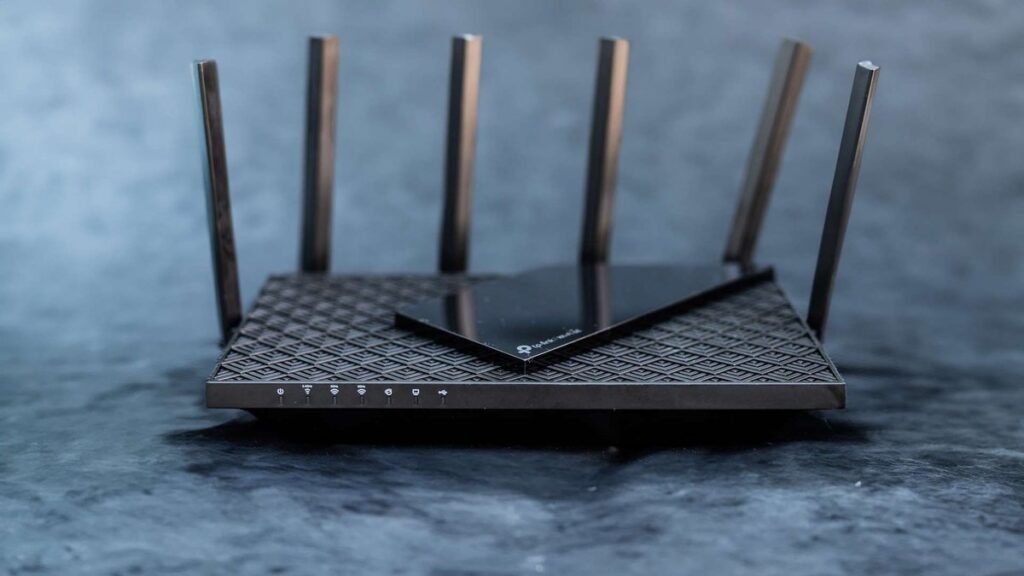
Networking equipment maker TP-Link has announced plans to establish router production in the United States, responding to regulatory pressure from federal authorities. The Chinese company signed a letter of intent with electronics manufacturer Key Tronic to support assembly operations in Mississippi, marking a significant shift in its supply chain strategy.
The move comes after the FCC implemented restrictions earlier this year requiring foreign-manufactured routers to obtain special approval before entering the US market. The regulatory measure was framed around national security concerns, with officials citing risks posed by potentially compromised networking infrastructure to critical systems and household connectivity.
TP-Link's leadership framed the decision as a commitment to American manufacturing. The company's chief executive stated that the partnership demonstrates dedication to expanding domestic production capabilities and positioning the United States as a base for delivering secure networking solutions to consumers and businesses globally. Key Tronic's leadership similarly emphasized how its domestic manufacturing expertise in high-reliability electronics would support TP-Link's development of next-generation Wi-Fi 8 technologies.
The domestic production initiative reflects broader government efforts to shift technology manufacturing onshore. Over the past two years, federal policy has increasingly emphasized reducing reliance on foreign production through tariffs on certain imports and incentives for domestic sourcing. These efforts extend beyond routers—semiconductor manufacturer TSMC announced a $100 billion investment in US chip production facilities just months ago, signaling industry-wide momentum toward American manufacturing.
While national security concerns provided the stated rationale for the router restrictions, the broader push for onshore production also serves economic objectives. Policymakers have promoted domestic manufacturing as beneficial for both economic growth and supply chain security, viewing these goals as complementary rather than contradictory. TP-Link's decision to establish US production aligns the company with this strategic direction.
The company expects production to commence as early as the first quarter of next year, which should streamline its ability to serve American customers once manufacturing operations begin. By establishing domestic production capacity, TP-Link positions itself to navigate regulatory requirements more easily while meeting growing demand for Wi-Fi 8 networking equipment in the US market.