
CD Projekt Red CEO defends Cyberpunk 2077 launch timing
 James Whitfield
2 min read
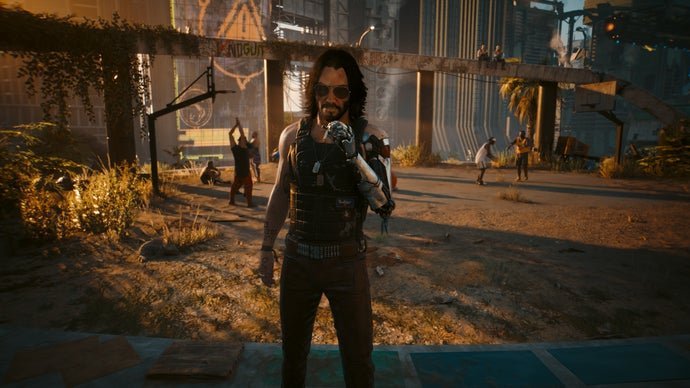
CD Projekt Red's joint CEO Michał Nowakowski has offered a new explanation for why Cyberpunk 2077 launched in its notoriously broken state nearly six years ago, attributing the decision primarily to developer fatigue rather than external pressure from investors or executives.
In a recent interview, Nowakowski acknowledged that the game's release was "for sure wrong," but pushed back against the narrative that financial stakeholders forced the studio's hand. Instead, he described a more complex situation shaped by the pandemic. The team was working during an unusual moment in the middle of COVID-19, he explained, which created distinct forms of exhaustion. While external voices—including fans and company leadership—encouraged launch, Nowakowski emphasized that developers themselves were eager to ship the product after months of grueling work.
However, this account sits uneasily alongside documented reports of mandatory crunch periods in the months preceding release. CD Projekt Red had previously committed to reducing crunch culture, making the reversal to mandatory overtime a significant departure from that pledge. The gap between what individual developers may have wanted and what they were required to do remains unclear, suggesting Nowakowski's characterization of team consensus may not capture the full picture of working conditions at the studio during that period.
Nowakowski did not dispute that launching Cyberpunk 2077 when the studio did was a mistake. The game arrived with severe technical problems, including widespread bugs, performance issues, and save-file corruption that made it nearly unplayable for many players. Despite this catastrophic launch, the title has undergone a substantial recovery over the following years through patches and updates, though the studio maintains that its redemption remains incomplete.
Interestingly, the commercial success of both Cyberpunk 2077 and The Witcher 3 has not necessarily eased pressure on release schedules for future projects. When asked whether strong sales figures might allow the studio to take more time with upcoming games like The Witcher 4, Nowakowski indicated the situations are distinct. The Witcher 4 is currently targeting a 2028 release window, giving the development team considerably more runway than Cyberpunk 2077 received.
Nowakowski's comments suggest the studio has learned from its previous misstep, at least in terms of scheduling expectations. Whether the team working on The Witcher 4 will face similar crunch pressures remains to be seen, though the extended timeline offers hope that developers can work at a more sustainable pace.