Why Star Wars Games Age Better When They Commit to a Genre
 James Whitfield
5 min read
James Whitfield
5 min read
This piece was written by Søren Ahrensborg Kamper, distributed by The Gaming Pulse. Søren has written about Star Wars games, their history and the communities around them since 2009. He is the editor of Star Wars: Gaming.
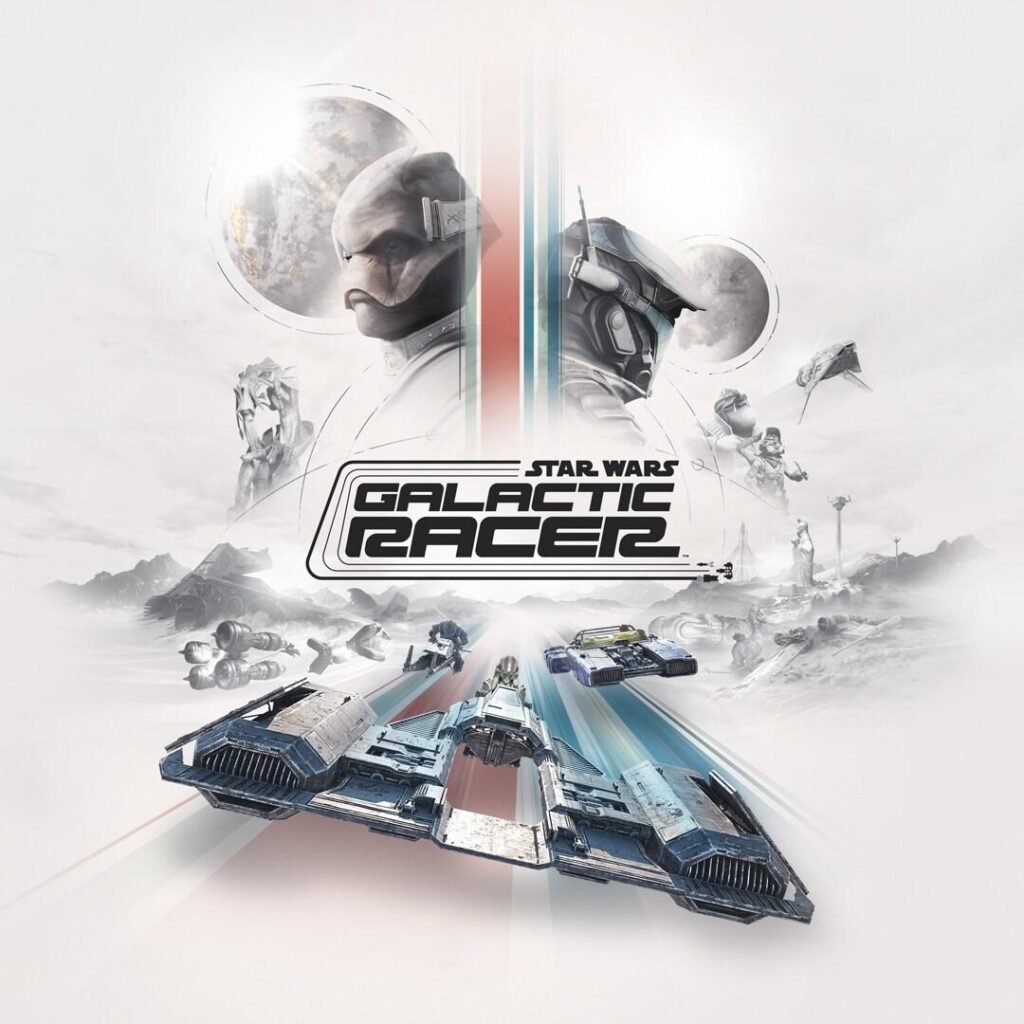
Star Wars has spent more than forty years proving that a license does not need one gameplay formula. In 2026, the point is unusually obvious. Star Wars Zero Company turns the Clone Wars into a turn-based tactics problem about positioning, squad composition and consequences. Four days from now, Star Wars: Galactic Racer will turn the post-Imperial Outer Rim into a runs-based racing league. They share a logo, a galaxy and very little mechanical DNA.
That contrast matters because the October release calendar is already crowded. A familiar license can get attention, but it cannot carry a game for long. The titles that tend to survive are the ones with a clear answer to a simpler question: what are players actually doing here? Star Wars has aged best when the answer is specific.
X-Wing made the cockpit the whole point
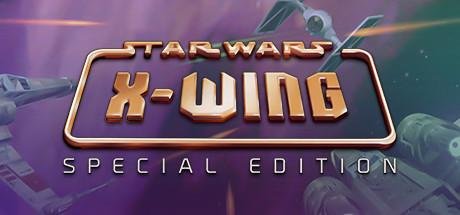
The 1993 X-Wing did not try to recreate a Star Wars film scene by scene. It chose the fantasy of being a Rebel pilot and committed to the machinery of that job: shields, lasers, target management, mission objectives and the uncomfortable realization that flying an X-wing is harder when an editor is not cutting away from the dull bits. That is the same basic strength visible when a licensed game builds mechanics around the philosophy of its source material instead of treating familiar characters and locations as the design itself.
The game is old enough that its interface now looks like something a Rebel quartermaster found in storage, but its purpose is still readable. You are a pilot. The cockpit tells you what matters. The missions test the same skills. Even after three decades, the genre gives the experience a shape that survives changes in graphics and hardware.
KOTOR let the RPG slow Star Wars down
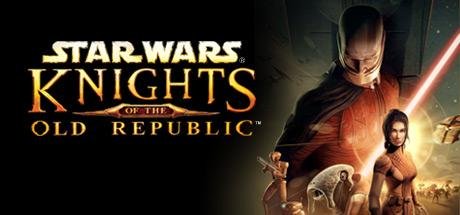
Knights of the Old Republic made almost the opposite choice. Instead of speed, it gave Star Wars conversations, statistics, party composition and moral decisions. The galaxy became a place where players could stop, argue with companions, examine equipment and decide what kind of person their character would become. That kind of choice within constraints is one reason RPG systems can make fictional worlds feel personal rather than merely large.
KOTOR has aged technically, of course. Menus age. Animation ages. Character models eventually begin to look as if everyone was assembled from the same box of elbows. The role-playing structure is harder to date. Dialogue, party relationships and consequence are still meaningful because they were never dependent on visual spectacle. The genre decided which parts of Star Wars deserved attention.
Empire at War changed the scale
Empire at War asked players to stop being the hero altogether and look at the machinery behind the heroes. Planets, fleets, production and territory became the main event. That is what real-time strategy naturally does. It converts a universe into systems and asks the player to think in units, resources and positioning rather than cinematic moments.
Strategy games also carry expectations about control and information that are difficult to fake. The continuing debate over how RTS design translates to controllers shows how much genre conventions matter. Empire at War works because it accepts those conventions instead of apologizing for them. Star Destroyers are not impressive because the camera lingers on them. They are impressive because you have to deploy them correctly.
Outlaws shows that genre promises cut both ways
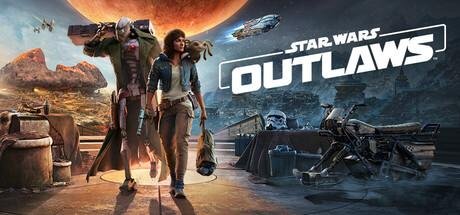
Star Wars Outlaws is useful because open-world design gives the license a different rhythm. Kay Vess is a scoundrel moving through syndicates, contracts, cantinas and reputations rather than another Jedi following a sacred destiny. Ubisoft calls it the first open-world Star Wars game, and that promise changes what players expect from almost every system around it.
The upside is that travel, side jobs and local politics can make the galaxy feel inhabited. The downside is that open-world games are judged as open-world games. Repetition, stealth rules, traversal and mission variety matter more than the number of recognizable creatures standing beside the road. Genre commitment is not automatically a compliment. It is a contract. Once a game says what it is, players know what to measure.
Zero Company and Galactic Racer make the pattern current again
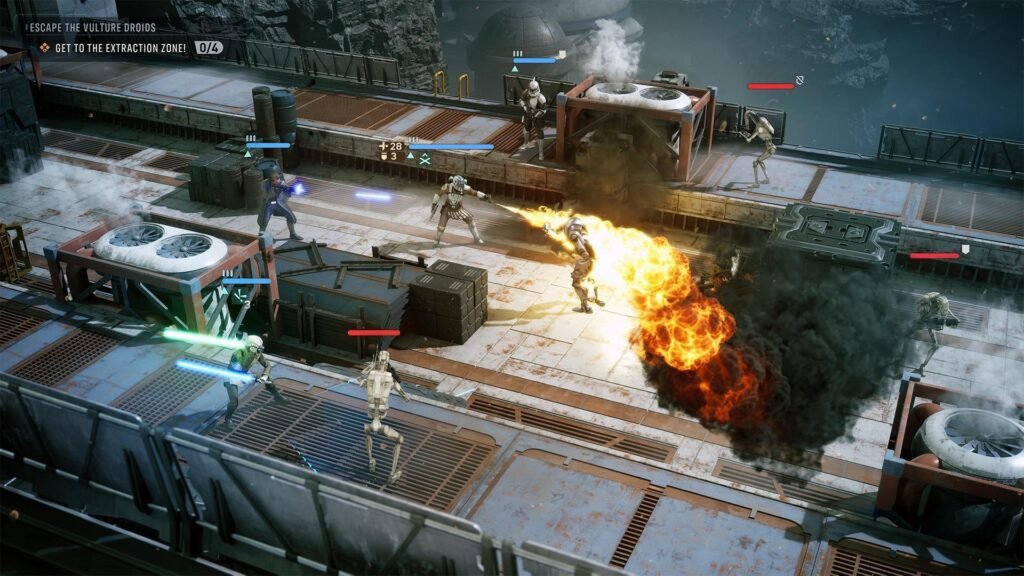
Zero Company is perhaps the cleanest modern example. Bit Reactor did not build a third-person action game and sprinkle tactical language over the marketing. It built a single-player turn-based tactics game, with operatives, abilities, squad bonds, changing battlefields and decisions that can alter a campaign. The Clone Wars becomes interesting through the logic of tactics: who is exposed, who can reach an objective, who gets left behind.
Galactic Racer is making the same bet in a completely different direction. Fuse Games describes it as a high-stakes, runs-based racing adventure with multiple repulsorcraft classes, branching decisions and campaign resets. The best racing games are usually brutally clear about their verbs, and recent revivals such as Crazy Taxi: World Tour show how much identity can survive when the core loop remains unmistakable. Galactic Racer does not need to simulate the entire Star Wars galaxy. It needs speed, handling, risk and reasons to care about the next corner.
Genre is the translation layer
Across the chronological history of Star Wars games, the same pattern keeps returning. Flight sims discover the cockpit. RPGs discover identity and companionship. Strategy games discover logistics. Open worlds discover ordinary travel and reputation. Tactics games discover squads. Racing games discover machinery and competition.
That is why genre-first Star Wars games tend to age better than games built mainly around recognition. Graphics date. References lose novelty. A good ruleset stays understandable. Years later, players may no longer be impressed that Darth Vader appeared on the box, but they still understand what it means to manage shields in X-Wing, argue with a companion in KOTOR or decide whether moving one operative into the open is worth the risk in Zero Company.
The license gives developers a galaxy. Genre gives that galaxy verbs. Star Wars has lasted in games because those verbs keep changing.