
TP-Link Unveils First Wi-Fi 8 Router Ahead of Standard
 James Whitfield
2 min read
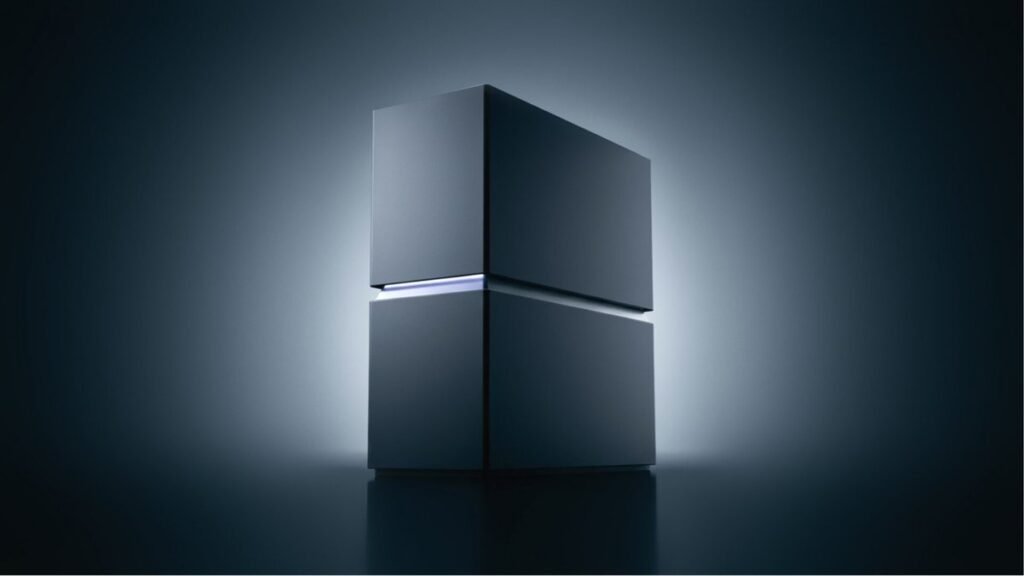
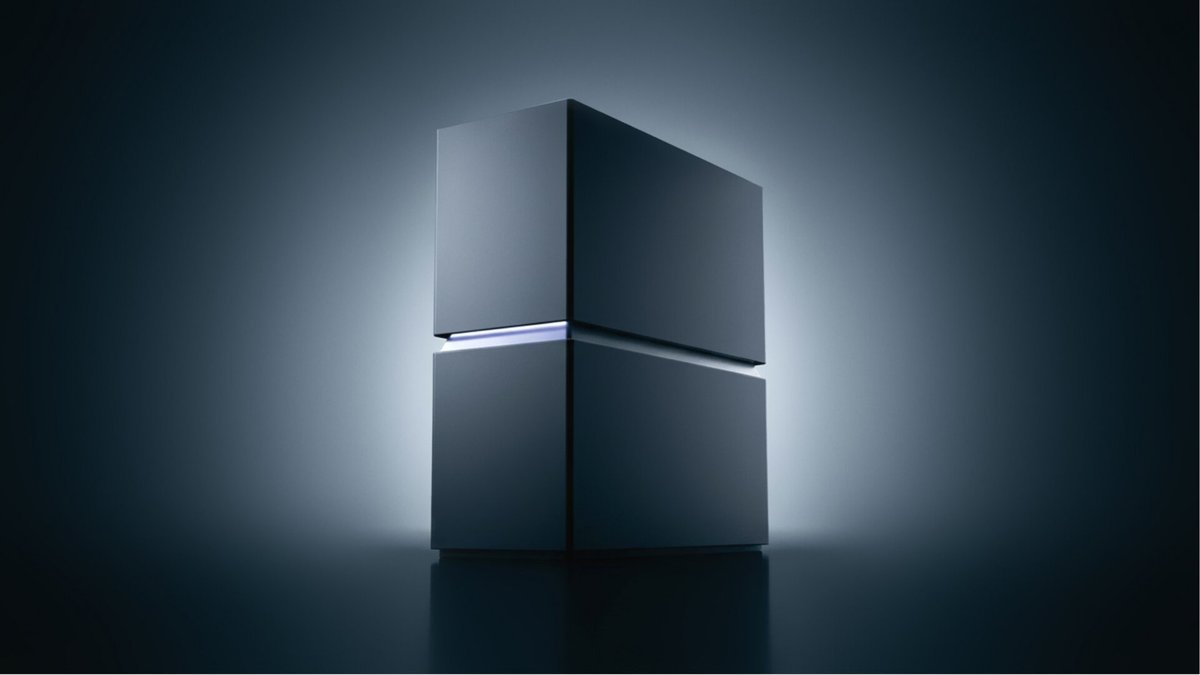
Networking equipment maker TP-Link has unveiled its first router built around Wi-Fi 8 technologies, positioning the new Archer 8 Ultra as an early adopter of the next-generation wireless standard still under development.
Unlike previous Wi-Fi generations that prioritized peak transmission speeds, Wi-Fi 8 takes a different approach by emphasizing what the industry calls Ultra-High Reliability (UHR). This philosophy aims to maintain steady connection quality in everyday environments rather than chasing raw performance numbers. The underlying standard, IEEE 802.11bn, is currently at Draft 2.0 as of September 2026, with full standardization expected by 2028.
TP-Link has integrated four key Wi-Fi 8 technologies into what it calls the Wi-Fi 8 StabilityEngine. UEQM (Unequal Modulation) adjusts signal encoding based on individual spatial stream conditions. New MCS provides finer modulation and coding adjustments to prevent abrupt speed losses when signal quality shifts. Enhanced LDPC strengthens error correction in noisy or weak-signal environments. NPCA allows the router to use secondary channels when the primary channel becomes congested, keeping data flowing without interruption. These same technologies have been highlighted by chipmaker Qualcomm as central to Wi-Fi 8's design philosophy.
Additional capabilities will arrive through software updates between 2027 and 2028. Dynamic Sub-channel Operation allocates bandwidth more efficiently per device. Enhanced Long Range improves stability for distant connections. Distributed Tone Resource Unit spreads uplink signals across wider bands to help low-power devices. Multi-access point coordination features—including coordinated time division, spatial reuse, and beamforming—will enable routers to work together more intelligently. TP-Link plans to deliver these features at no additional cost via over-the-air updates as the standard matures.
In TP-Link's internal testing, the Archer 8 Ultra achieved up to 33 percent higher throughput at mid-to-long ranges compared to Wi-Fi 7 routers, while consistency under interference improved by up to 24 percent. The company notes these are manufacturer results and actual performance depends on installation and device compatibility.
The hardware itself runs on a Broadcom Wi-Fi 8 chipset and supports three bands—6 GHz, 5 GHz, and 2.4 GHz—with combined speeds reaching 19 Gbps. The router includes 18 antennas, two 10 Gbps ports, and four 2.5 Gbps ports, handling up to 200 connected devices simultaneously.
TP-Link opened pre-orders for the Archer 8 Ultra on September 30 in the UK, Germany, Australia, and Canada, with availability expanding to additional regions over time. More technical information is available through TP-Link's official channels.