Museum builds Cray-1 replica from 30 Mac Minis, surpasses
 James Whitfield
2 min read
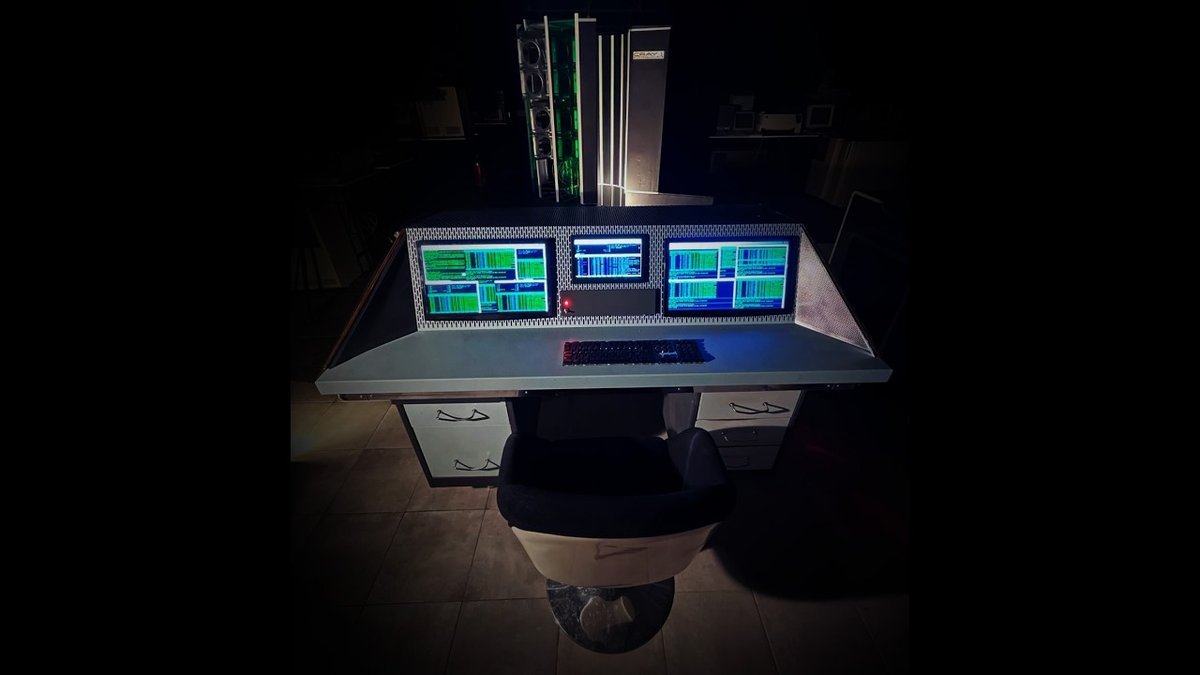
A computer history museum in Spain has constructed a working replica of the legendary Cray-1 supercomputer by repurposing 30 Mac Minis from 2012 to 2014, creating a system that paradoxically outperforms the machine it honors.
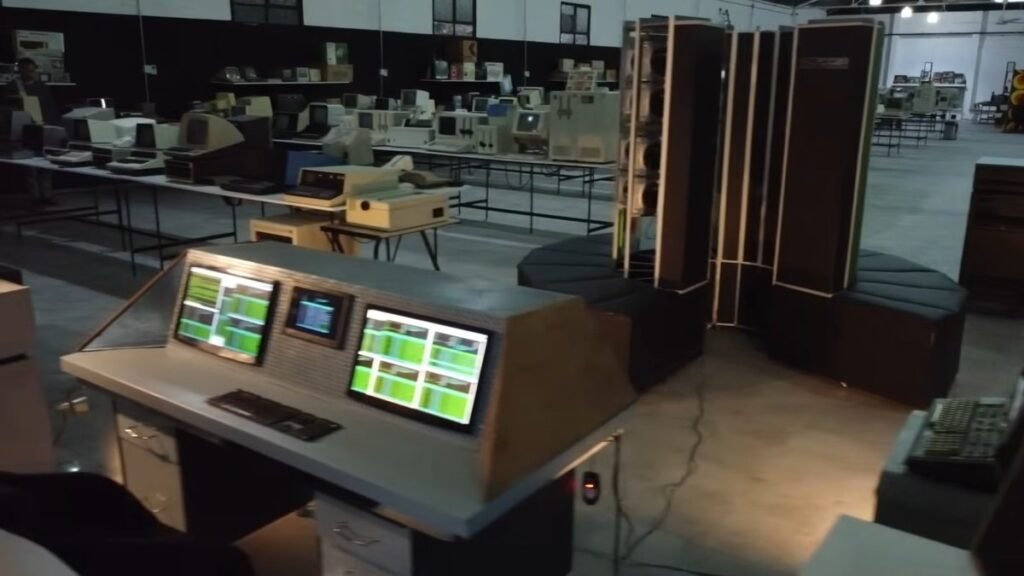
The Museo de Historia de la Computación's exhibit marks the 50th anniversary of the original Cray-1, which debuted in 1976 as one of the most powerful computers of its era. The iconic machine is instantly recognizable by its distinctive C-shaped cabinet design. The museum's modern recreation captures that visual legacy while demonstrating how far computing has advanced in five decades.
The replica harnesses the combined processing power of five quad-core Intel i7 processors and 25 dual-core i5 processors, yielding 70 cores total. Running on macOS Mojave, the Mac Minis use the operating system's Message Passing Interface to distribute computing tasks across the cluster. During testing, the fully operational system achieved 1.5 teraflops of performance—dramatically higher than the original Cray-1's theoretical peak of approximately 160 megaflops. The original machine featured a 64-bit processor running at 80 MHz with just 8.39 megabytes of memory.
Beyond raw specifications, the museum engineered a sophisticated cooling solution befitting a museum environment. The 30 Mac Minis sit within a natural convection ventilation system that eliminates the need for mechanical fans, allowing heat to rise and exit through the top of the tower while maintaining near-silent operation. The primary noise source comes from two gigabit Ethernet switches producing around 30 decibels, which the museum team plans to replace with quieter alternatives.
Control of the system flows through a vintage-style terminal that blends old and new technologies. Rather than authentic cathode-ray tube monitors, the setup uses modern Samsung displays for practical connectivity. The terminal itself houses a Raspberry Pi running classic computing emulators alongside a Raspberry Pi cluster, two authentic 2006 Cray CX1 units operating on CentOS, and an additional Mac Mini orchestrating distributed computing tasks across the entire network.
The exhibit remains under development. Museum organizers are launching a crowdfunding campaign to acquire approximately 80 additional M4 Mac Minis, aiming to construct a genuine modern supercomputer capable of ranking on the Top500 list of the world's fastest systems. The permanent installation at the museum currently showcases what's possible when vintage hardware finds new purpose, transforming decades-old consumer electronics into a functioning tribute to computing history.