
Steam Next Fest Swamped by AI-Generated Game Clones
 James Whitfield
3 min read
Steam Next Fest kicks off this week with a staggering 8,011 demos available for preview—double the number featured just a year ago and eight times the count from 2022. However, industry observers warn that the vast majority of these entries represent low-effort, algorithmically-generated content created with minimal genuine development effort.
The explosion in quantity correlates directly with recent advances in AI coding tools. Anthropic's latest Claude Opus update has dramatically accelerated the speed at which developers can generate game code through what the community calls "vibe coding"—creating games by describing desired aesthetics and mechanics to AI rather than building them from scratch. The efficiency gains have enabled creators to produce functional games in hours rather than weeks, flooding the platform with derivative titles and direct clones of successful indie games.
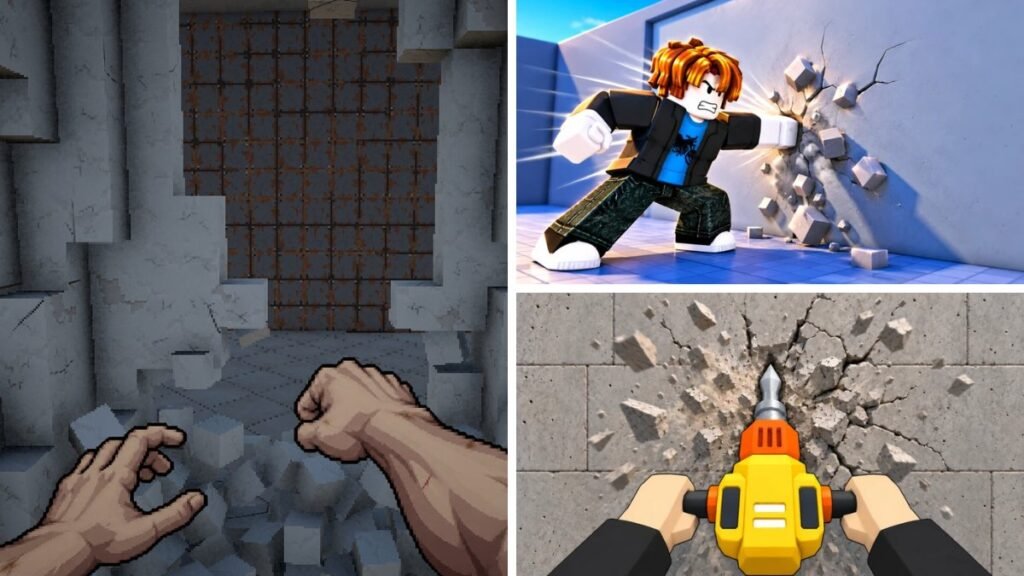
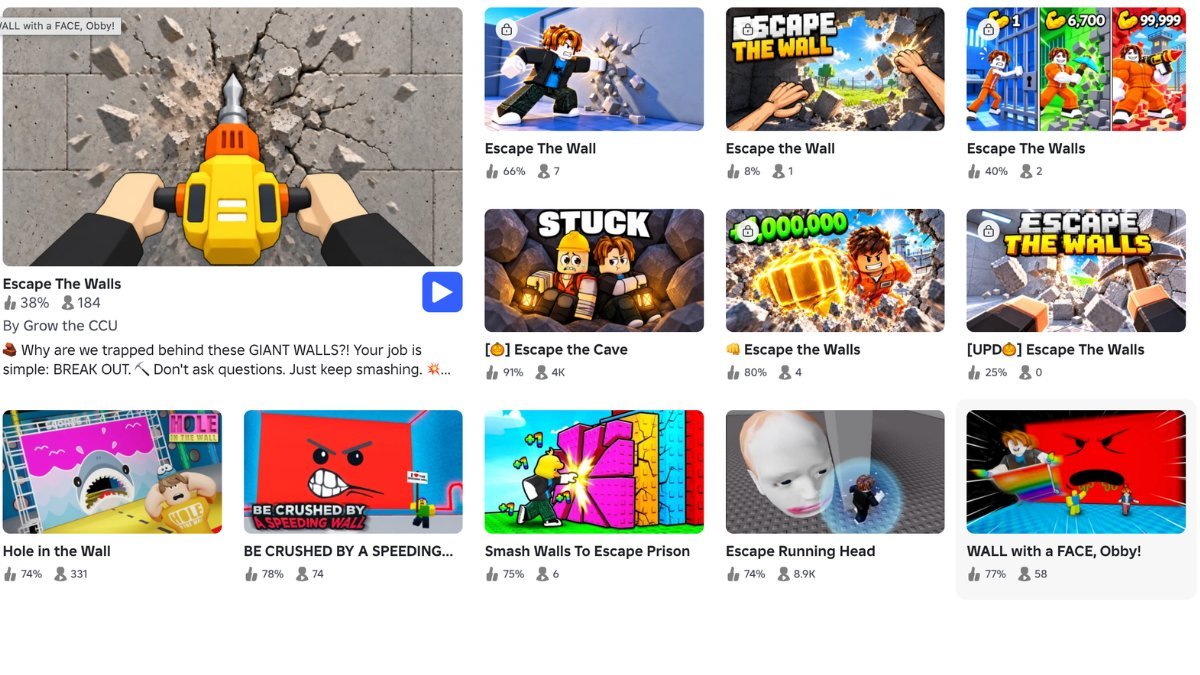
The impact on independent developers has been immediate and troubling. An incremental game called Escape the Walls, which itself uses AI to speed up development, was posted on social media on October 10. Within hours, a commenter joked that clones would appear on Roblox and vastly outperform the original. By October 19, at least seven Roblox versions existed, with one competing studio brazenly announcing their clone to the original creator as "friendly competition."
The situation has become dire enough that some developers are abandoning their planned releases. The creators of Drunken Goddess Reflux, a survival game with a Russian roulette drinking mechanic, announced they would no longer publish their demo on Steam. The studio cited concerns that AI tools could rapidly produce imitations and release them before the original game launches. Instead, they plan to conduct closed play sessions with participants who sign participation agreements.
Code theft has also emerged as a serious problem. NoGlyph, creator of Needle In A Haystack, discovered that another studio had copied substantial portions of their game's source code in their own clone. Upon investigation, NoGlyph found 13 identical class names, functions matching their original code exactly, and even error messages from their project still embedded in the competing game. The developer filed a copyright notice with Valve over the infringement.
Industry advocates have long argued that AI democratizes specialized skills like coding and game design, making development accessible to newcomers. However, critics contend that in practice, AI has simply enabled low-effort copycats and scammers rather than fostering genuine creativity. Creating a visually polished game by feeding prompts to AI does not constitute game development, they argue—it requires years of deliberate practice, experimentation, and original thinking to generate meaningful ideas. Without that foundation, AI tools merely produce superficial imitations of existing work.
The sheer volume of low-quality entries threatens to undermine Steam's discoverability systems and harm legitimate independent creators. While Steam's algorithm should bury most of the 8,000-plus Next Fest demos from public view, any title that gains viral traction immediately attracts parasitic clones seeking quick monetization. This dynamic transforms game development into an increasingly risky venture for those without substantial resources, effectively pricing out smaller studios and hobbyists.
Meanwhile, the week's top-performing Steam games by revenue showed little excitement. Dota 2 claimed the top spot, suggesting a quiet release schedule. Star Wars: Galactic Racer launched on October 6 and placed fourth despite positive reviews, while Gears of War climbed into the top ten following its first full week of sales. Risk of Rain 2 benefited from a substantial update and expansion, and Steam Deck hardware appeared in the rankings after a stock replenishment.