Chinese repair shop swamped with melted Nvidia GPU
 James Whitfield
2 min read
A Chinese computer repair shop has documented a surge in damaged Nvidia graphics cards, all suffering from the same critical failure: melted power connectors. The repair centre, run by Zhang the Computer Repairman, posted a video highlighting the severity of the issue after receiving seven cards requiring repair in just two days.
The affected cards include multiple RTX 5090 units alongside RTX 4090 models from various manufacturers including Asus, MSI, Gainward, and Nvidia's Founders Edition. In each case, the 12+4-pin power interface showed signs of severe thermal damage. Some connectors had blackened the circuit board beneath them, while others had melted so severely that users had to cut the cables to remove the cards for repair.

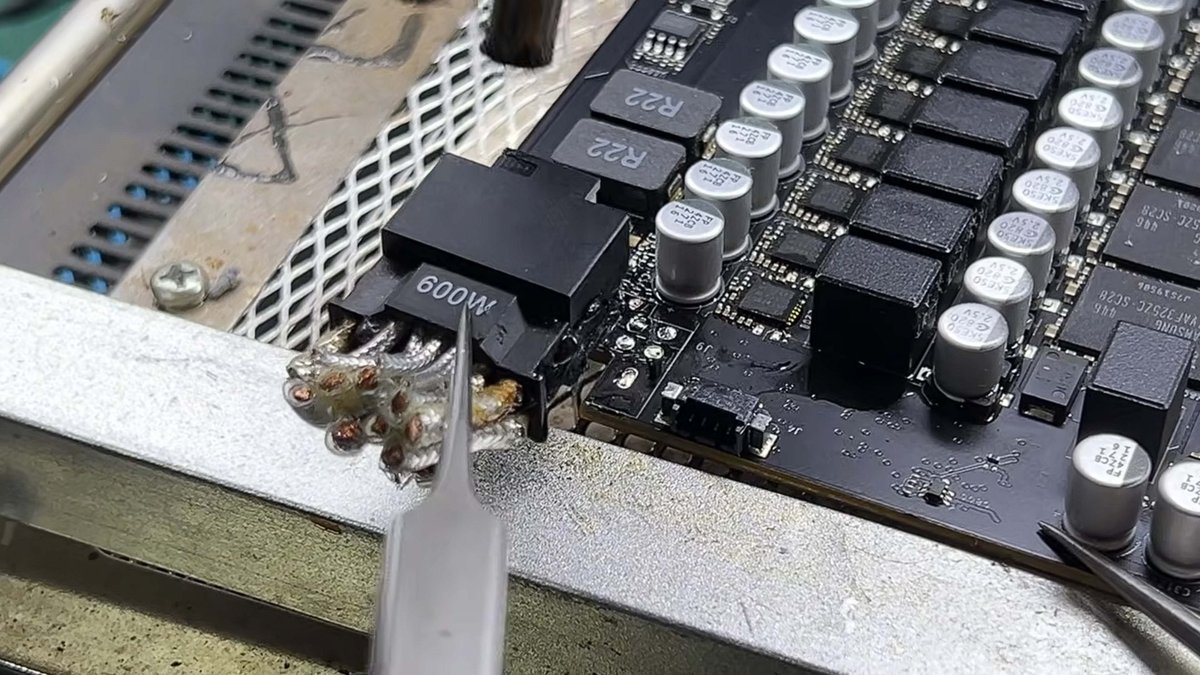
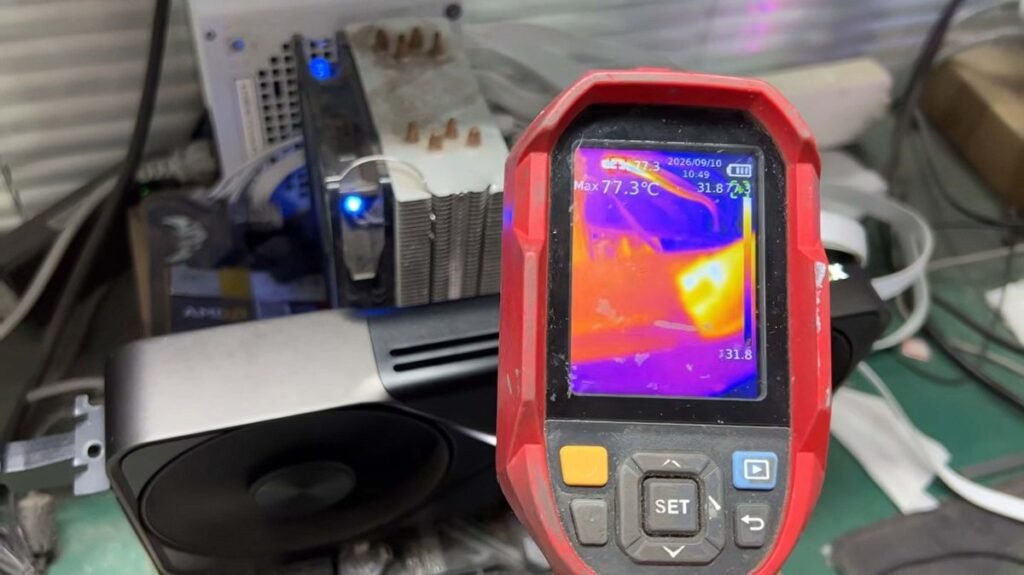
During the repair process, Zhang removed the damaged interfaces, cleaned the contacts, and soldered new 12+4-pin sockets onto each card. After installation, he tested the repaired units through 3DMark benchmarks while monitoring cable and card temperatures. Though some cables ran warmer than others, the repaired cards functioned properly without immediate concerns.
The concentration of identical failures across different manufacturers and user setups suggests a systemic problem rather than isolated incidents. Zhang noted that the affected users were not operating inadequate power supplies, and some cards came from laboratory computers subjected to heavy workloads. While his repair channel may attract more submissions than typical shops due to its popularity on Chinese platforms, the pattern remains troubling.
The root cause appears to be the sheer power draw of modern high-end graphics cards overwhelming the 12+4-pin connector design. The combination of extreme power demands and connector limitations creates conditions where cables and sockets heat up dangerously during operation. This is not a problem limited to faulty third-party adapters, aging power supplies, or misaligned cables, but rather a fundamental design challenge with current connector technology handling contemporary GPU power requirements.
For users with these graphics cards, Zhang recommends monitoring the power cable temperature by touch. A cable that is warm to the touch an inch above the GPU connector is normal, but one that is too hot to hold indicates a potential problem. He also suggests using GPU-Z to track the 12+4-pin voltage readout during use. If the voltage drops significantly below 12 volts—to around 11.3 or 11.4 volts—it signals a failing connection that warrants immediate investigation and thermal checks.
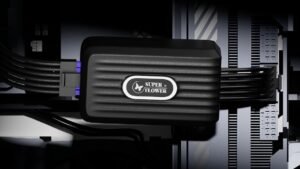
While the issue remains unresolved, some solutions are emerging. Protective devices such as overcurrent protection dongles from manufacturers like Super Flower offer varying degrees of safeguards, potentially providing early warning signs before connectors fail catastrophically. For owners of RTX 5090 and RTX 4090 cards, regular monitoring and preventive checks have become essential maintenance practices.