
Cyberpunk Shopkeeping Sim Launches to 95% Positive Steam
 James Whitfield
3 min read
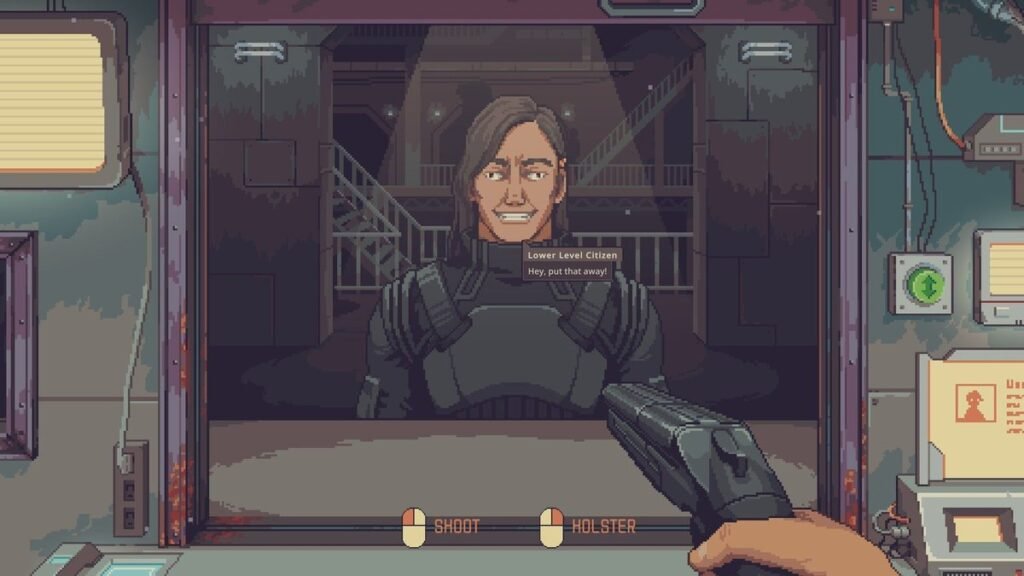
A new cyberpunk-themed shopkeeping simulator has arrived on Steam and is already earning strong player approval. Probably Stolen launched to a 95% Overwhelmingly Positive rating, reflecting widespread enthusiasm for its blend of business management and dystopian storytelling.
The game places players in charge of an illicit goods shop on a space station, where they must buy, trade, and smuggle high-tech hardware while managing rising rent and faction politics. Rather than focusing solely on shop operations, Probably Stolen emphasizes the moral and practical complexities of dealing in contraband. Players authenticate stock, negotiate with suppliers who may overstate value, and decide which customers to serve based on their backgrounds and potential threat levels.
Players begin their shopkeeping career by choosing a starting profession: gunsmith, chemist, water merchant, fence, farmer, or starting from nothing. Each product line carries distinct risks and profit structures. Water sales bring liability concerns, weapons attract inspections, contraband invites raids, and chemicals can create addiction problems among customers. This variety ensures that mastering one business line does not automatically translate to success with another. As players accumulate capital, they can expand to multiple operations, unlocking new merchandise and production capabilities—though higher rent and increased scrutiny from authorities accompany this growth.
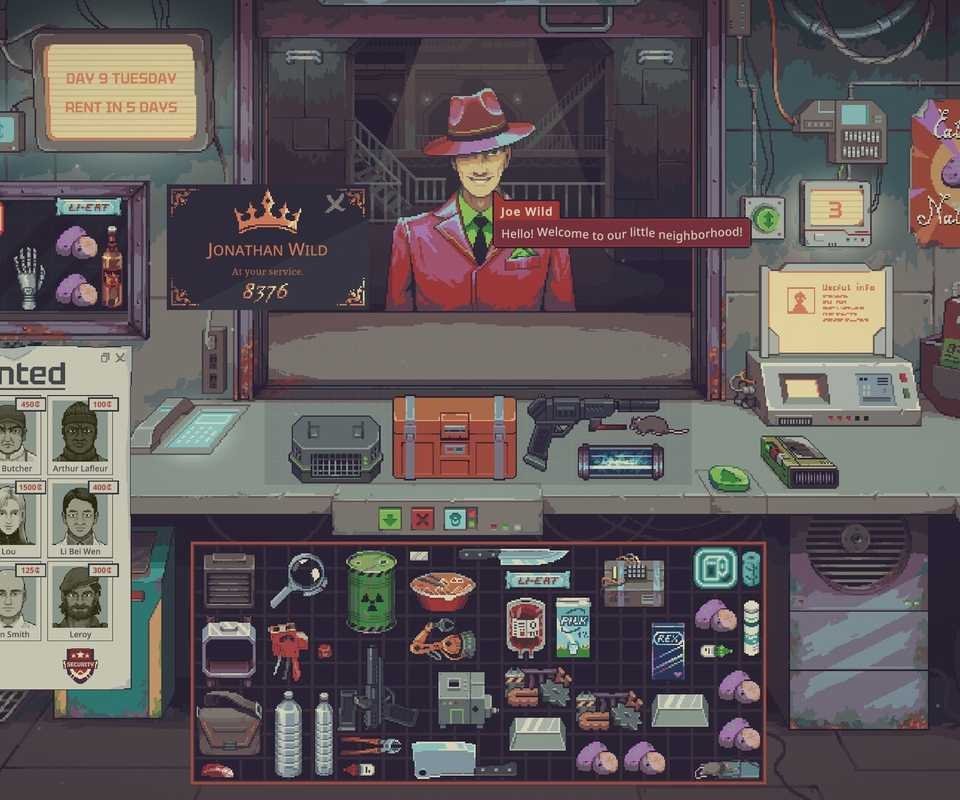
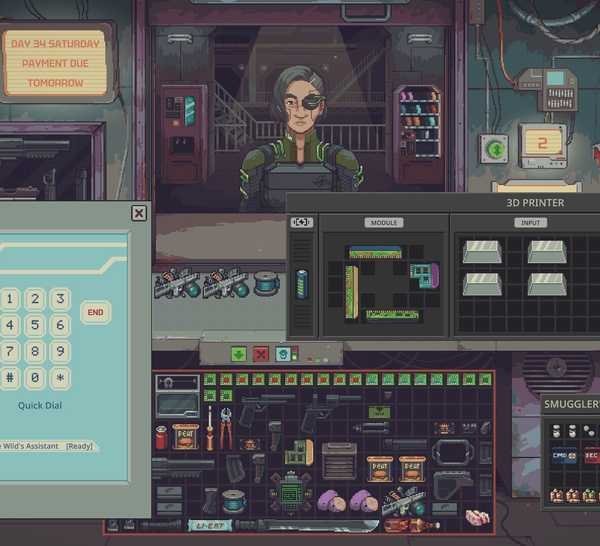
The acquisition and preparation of goods adds another layer of challenge. Players may need to inspect cigarette packs before reselling, filter contaminated water, or modify weapons with illegal components to increase their value. Contraband items sometimes harbor hidden problems that only surface after a sale, forcing shopkeepers to decide whether to relabel items as genuine or risk detection by fencing them through back channels. Every transaction requires careful evaluation of risk versus reward.
Beyond merchandise management, Probably Stolen emphasizes reading people. Customers may be undercover security operatives, revolutionaries seeking support, or fallen elites attempting to rebuild their status. Shopkeepers can approve or reject sales, report suspicious individuals to authorities, or deliberately ignore rule violations. These choices build reputation with specific factions, granting protection from some groups while making the player a target for their enemies. The political dimension means that business success depends not just on profit margins but on navigating complex social hierarchies.
A unique threat adds another dimension to gameplay: artificial intelligences that corrupted their hosts and now inhabit human bodies. These synths move through the station with hidden agendas, and every shop owner carries a gun and license to eliminate them. However, misidentifying a regular person as a synth results in an innocent death, damaging the shop's reputation and operations. Players must read subtle signs to distinguish human from machine, adding tension to everyday customer interactions.
The game's setting—a dystopian space station where rising rent forces shop owners to engage in increasingly risky ventures—provides the backdrop for these interconnected systems. Players who accumulate enough profit can eventually buy out their shop and escape the cycle, but the path there requires balancing legitimate business concerns with the temptations and dangers of the black market. For fans of simulation games and cyberpunk fiction alike, Probably Stolen offers a fresh take on the shopkeeping genre by centering the moral ambiguity and practical dangers of operating in an underground economy.