
CD Projekt Used AI to Restore Geralt Voice Actor’s Sound
 James Whitfield
3 min read
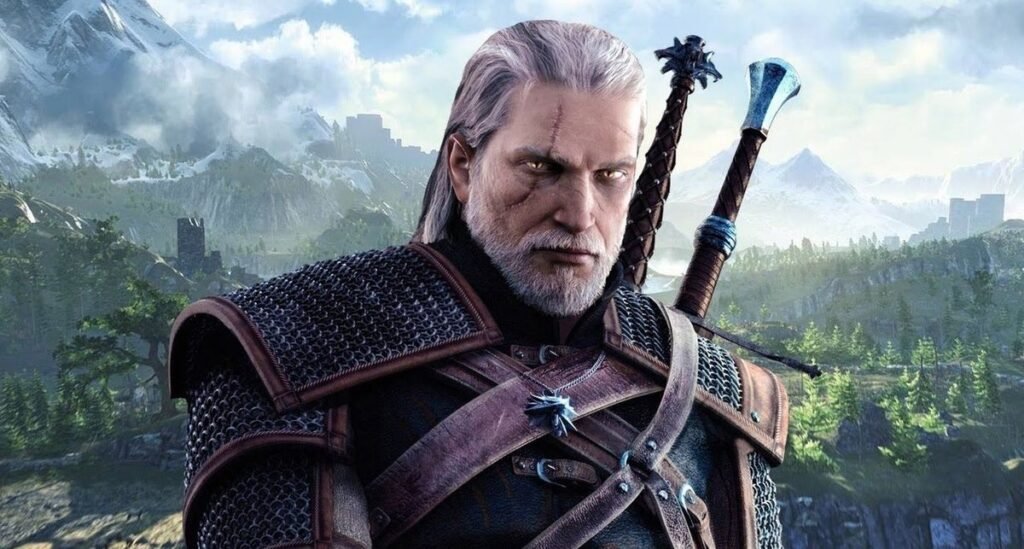
CD Projekt has turned to artificial intelligence to preserve the vocal continuity of The Witcher 3's Polish version, enlisting AI voice company Respeecher to modify performances by Jacek Rozenek, the longtime Polish voice of Geralt, for the upcoming Songs of the Past expansion.
Rozenek has been the voice of Geralt throughout the entire Polish localization of The Witcher series, earning widespread recognition for his work across all three main Witcher 3 releases. However, a 2019 stroke significantly altered his voice and temporarily left him unable to speak. Though he gradually recovered and managed to record new dialogue for The Witcher 3's next-generation console update in 2021, the effort proved physically taxing. Despite the challenges, Rozenek continued rehabilitation and eventually regained enough capability to return to voice acting work.
When CD Projekt decided to develop a new expansion set within The Witcher 3's timeline, the studio wanted Rozenek to reprise his iconic role. The complication arose from the passage of time and the lasting effects of his stroke: his voice had become noticeably lower and gruffer than his original recordings from a decade earlier. Since Songs of the Past takes place during the events of the base game rather than after them, this vocal shift created a continuity problem that would be immediately apparent to players familiar with Rozenek's earlier performances.
With Rozenek's full consent, CD Projekt approached Respeecher to digitally adjust his new recordings. The goal was straightforward: make his current voice match the tone, richness, and youthfulness of his original Geralt performances. Dmytro Vasylets, a synthetic speech artist at Respeecher, described the technical challenge as substantial. The process required dozens of hours of work, extensive model training, and close collaboration with CD Projekt's team. The most difficult aspect involved capturing Rozenek's full emotional range—the subtle vocal nuances, shouts, groans, expressions of anger and fear, and laughter—while maintaining the highest possible audio quality and minimizing AI artifacts that are difficult to completely eliminate.
Rozenek himself expressed comfort with the approach, noting that his familiarity with the character made returning to the role feel natural; the only obstacle was his changed voice. He emphasized that the goal was to match his vocal performance from twelve years prior and expressed confidence in CD Projekt's execution of the project.
This marks CD Projekt's second collaboration with Respeecher on voice restoration. The company previously used the AI firm to recreate the voice of Miłogost Reczek, who provided Polish voice work for characters including Viktor Vektor and Vesemir in Cyberpunk 2077 and The Witcher 3. Reczek passed away in 2021, and CD Projekt obtained family approval before using AI to reconstruct his vocal performances.
The decision reflects the studio's cautious approach to generative AI in voice acting, a practice that has become increasingly controversial within the industry as actors seek to protect their vocal likenesses. Mikołaj Szwed, CD Projekt's localization producer, acknowledged that AI voice modification raises significant concerns when working with voice talent across multiple regions worldwide. However, he characterized Rozenek's situation as exceptional, driven by genuine health circumstances rather than cost-cutting or convenience. The studio has no plans to apply similar AI voice alteration to Doug Cockle, who performs Geralt in English-language versions of The Witcher games. Additionally, if CD Projekt were to develop future Witcher games set later in the story timeline, Rozenek's naturally aged voice would require no modification, since vocal changes would align with the character's progression through time.
The timing of this announcement coincided with separate news about veteran voice actor Stephen Russell's return to the role of Garrett for a Thief: The Dark Project remaster, more than two decades after his last performance in the character in 2004. While Russell had to adjust his pitch and delivery to accommodate changes in recording technology and his own voice over the years, Rozenek's situation presented a more substantial challenge requiring technological intervention to maintain narrative consistency.