
Counter-Strike LAN Games: When Gaming Built Real Friendships
 James Whitfield
2 min read
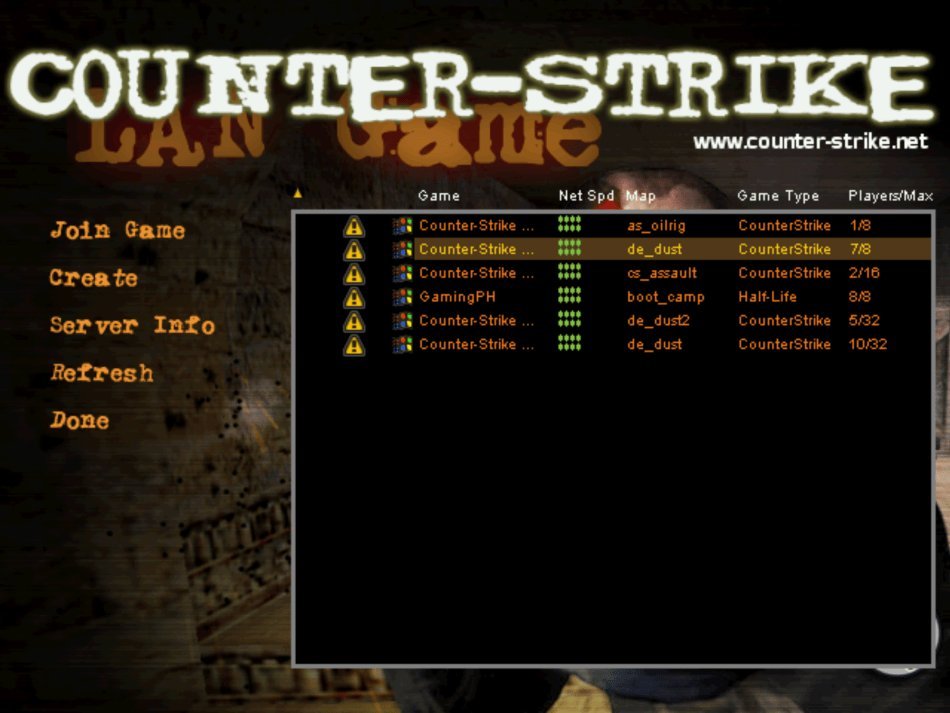
Computer shops once served as social hubs where strangers bonded over Counter-Strike matches played on local area networks, creating friendships that often lasted far beyond the gaming session.
In the early days of competitive gaming, accessing multiplayer matches required nothing more than walking into a computer shop, launching the game, and selecting the LAN option. Players could join servers hosting classic maps like de_dust or cs_assault without needing prior connections. The appeal extended beyond the gameplay itself—the experience of sitting in the same room as opponents and teammates created a unique social dynamic that online matchmaking has never fully replicated.
The atmosphere in these establishments fostered genuine human connection. Players celebrated victories audibly, exchanged banter, and often spent time identifying which person in the room controlled which in-game character. Over time, regular visitors transformed from anonymous usernames into recognizable faces, and many friendships that began at these terminals persisted long after the computers were shut down.
In the Philippines particularly, computer shops transcended their commercial purpose. They became after-school destinations for students, neighborhood gathering spots, and affordable entertainment for those without home computers. For the cost of roughly PHP 25 per hour, players could spend afternoons engaged in competitive gaming alongside peers.
While contemporary online platforms connect players globally and streamline matchmaking, they lack the tangible social element of shared physical space. The spontaneity and immediacy of forming friendships through proximity—laughing together, celebrating together, without formal digital connections—remains distinctive to that era. Many who experienced those LAN gaming sessions only recognized their significance in retrospect, after the ordinary afternoons had transformed into cherished memories.