
U.S. GPU Export Rules Halt $18B in Asian Orders
 James Whitfield
2 min read
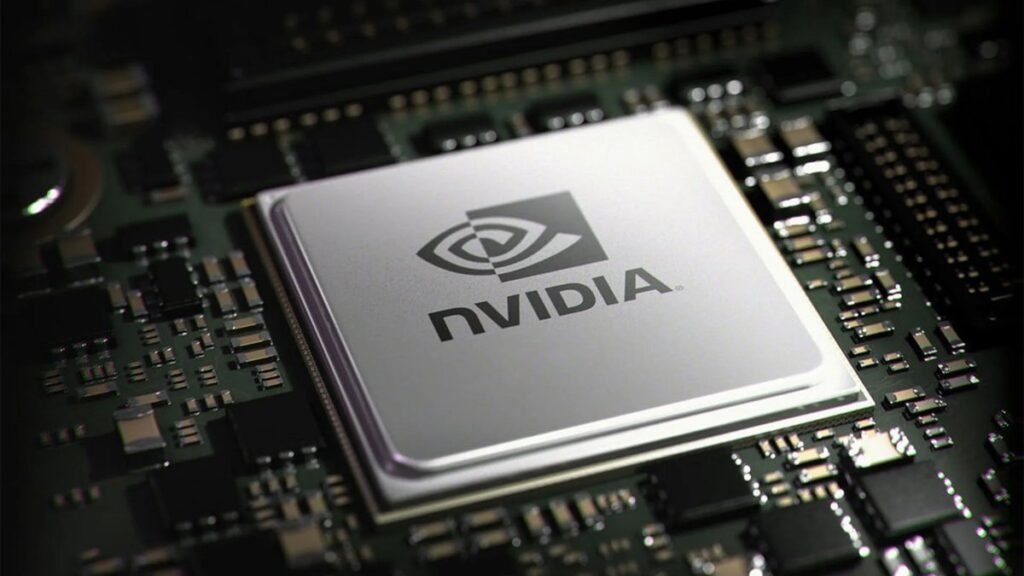
Stricter U.S. export controls on artificial intelligence chips have triggered the cancellation or suspension of up to $18 billion in graphics processing unit orders across Southeast Asia, according to regional industry officials.
The Thai Data Center Association's vice chairman disclosed in a recent interview that new American export regulations have effectively blocked Chinese customers from accessing GPU capacity through cloud rental services in Thailand and neighboring countries. The restrictions stem from export control measures introduced by the U.S. Commerce Department's Bureau of Industry and Security following Nvidia's involvement in chip smuggling incidents through intermediary companies and regional subsidiaries.
Thailand alone was expecting approximately 300 megawatts equivalent of GPU capacity to arrive over the next 12 to 18 months, with capital expenditure estimated between $12 billion and $18 billion. These systems were intended primarily for Chinese end users accessing computing power through remote rental arrangements. The new regulations, which took effect on November 16, 2026, now require U.S. licensing for any export of advanced AI chips or remote computing services exceeding 12 million Total Processing Performance units—roughly equivalent to 750 Nvidia H100 or H200 GPUs—to customers in embargoed nations, including China. The rules apply across Thailand, Malaysia, Singapore, Indonesia, and Brazil.
The supply chain disruption has cascaded through regional financing channels. Financial institutions halted a $480 million loan to a Singapore-based cloud company seeking to purchase Nvidia GPUs for a Malaysian data center facility. Multiple major projects have been cancelled, stalled, or are struggling to secure funding, including ventures by Epoch, Aolani, MoonshotAi, and Datasection, collectively representing $1.6 billion in contracts.
Regional data center operators are now exploring alternative markets to absorb the stranded GPU inventory. Industry representatives indicated that redirecting the 300 megawatts of planned capacity toward U.S. customers represents a potential solution, particularly given increased demand for data center infrastructure following recent American elections. U.S.-based companies remain exempt from the new export licensing requirements, provided they disclose recipients and destinations.
However, redirecting $12 billion to $18 billion in hardware to American buyers faces significant practical obstacles. U.S. data centers operate under power constraints, and the broader AI financing landscape has tightened considerably. Analysts have also noted uneven demand for AI data center products, and many American AI companies have already accumulated substantial GPU inventory through previous channel arrangements with Nvidia.
The export restrictions represent a notable shift in the global AI chip supply chain, which previously relied on Southeast Asian data centers as intermediaries for Chinese market access. The policy change aims to prevent circumvention of existing embargoes on advanced semiconductor technology destined for China.