
Microsoft Patents System to Show Ads During Game Pauses
 James Whitfield
2 min read
James Whitfield
2 min read

Microsoft has filed a patent for a new advertising system designed to display promotional content to players on PC and console games without interrupting active gameplay. The technology, published under patent number US 2026/0260258 A1, uses signals from game engines to identify natural stopping points where ads can be inserted with minimal disruption.
The system works by granting players an initial block of ad-free playtime—such as 30 minutes or one complete level—before triggering ad delivery. As this timer approaches expiration, the technology monitors pause events generated by the game itself, including moments after boss defeats, cutscene endings, quest completions, or loading screens. When a suitable pause is detected, the game freezes temporarily to display either a video or static advertisement. Players who watch the ad receive an extended "ad-credit" duration, delaying the next ad break.
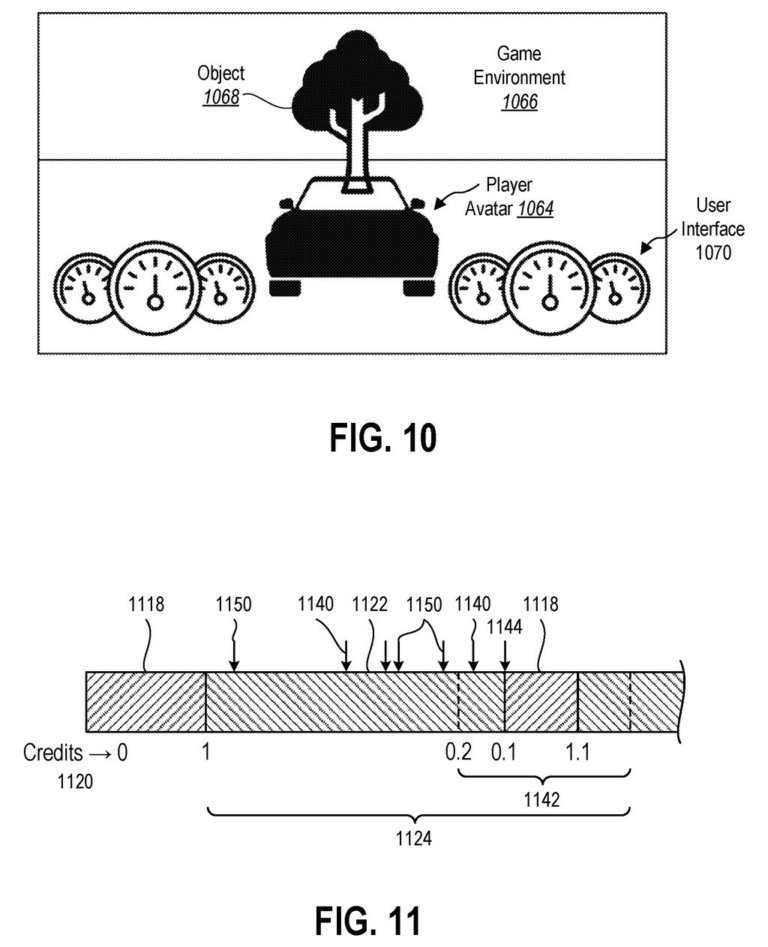
A key feature of the patent involves filtering logic that prevents ads from appearing during critical gameplay moments. If a game engine sends a pause signal while a player is actively engaged in a boss fight or competitive match, the system will not serve an ad. Instead, advertisements only trigger when pause signals occur within designated listening windows, ensuring players aren't interrupted during intense or time-sensitive sequences.
The technology aligns with Microsoft's broader strategy to introduce ad-supported options for Xbox Cloud Gaming and free-to-play titles. The company has been exploring ways to monetize these services while maintaining player engagement. By timing ads to coincide with natural gameplay breaks rather than arbitrary intervals, Microsoft aims to reduce the friction typically associated with in-game advertising.
The patent describes a content management system that coordinates with game engines to obtain pause trigger events, suspend player interaction briefly, retrieve promotional content, display it to the user, and then resume gameplay while establishing a new credit period. This approach represents an attempt to balance revenue generation with user experience, though industry observers note that gamers have historically resisted in-game advertising regardless of implementation method. The technology is expected to see deployment across Xbox, PC, and Xbox Cloud Gaming platforms if the patent is commercialized.