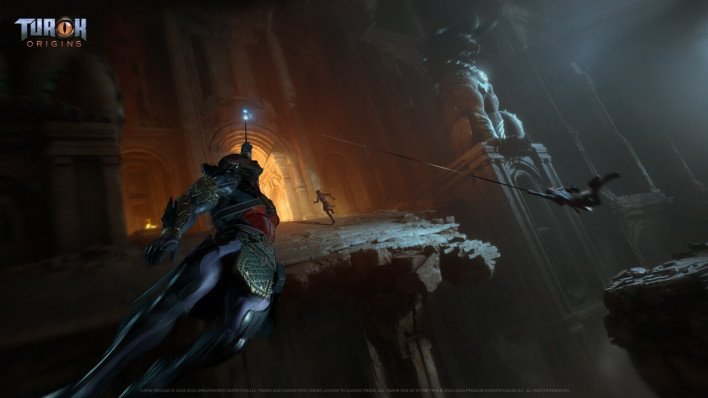
Saber Interactive Reimagines Turok with New Origins Game
 James Whitfield
4 min read
James Whitfield
4 min read
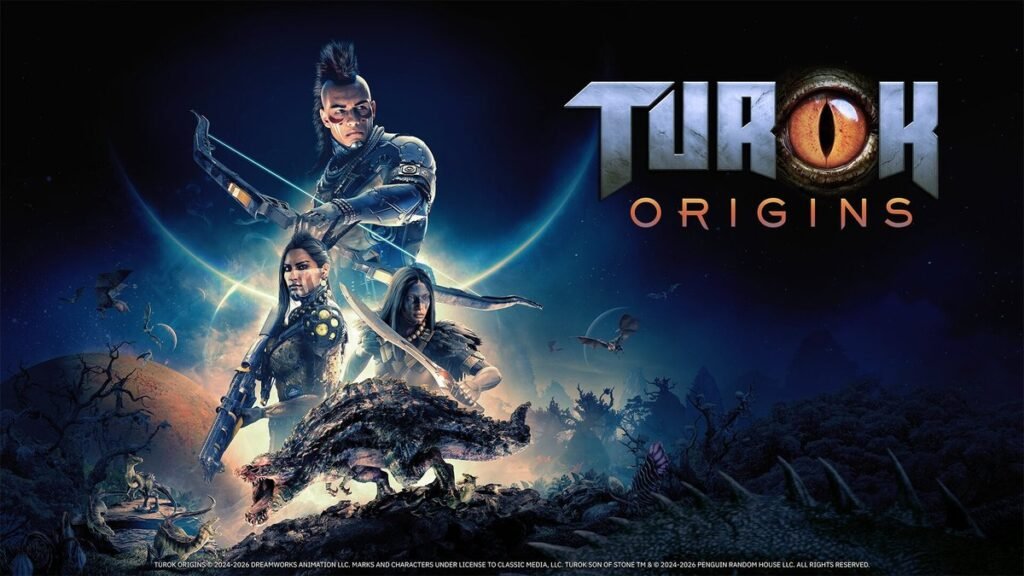
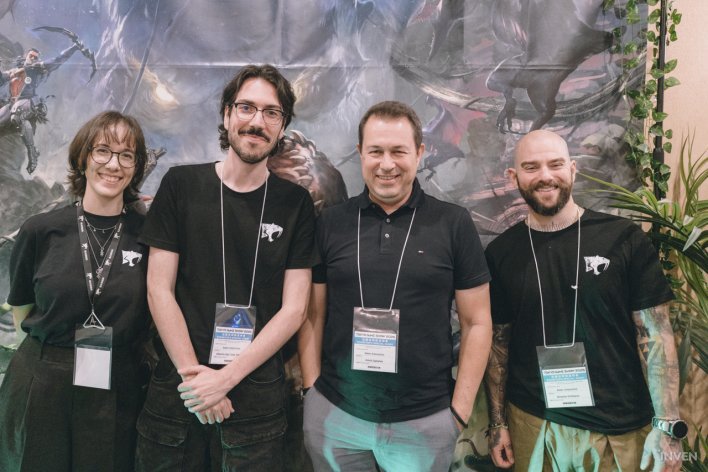
After years of dormancy, the Turok franchise is making a comeback through Saber Interactive, with the studio’s Madrid-based development team leading the charge on Turok: Origins. The project emerged from discussions with Universal Studios, building on an existing relationship between the companies. According to the game’s director, the studio recognized significant untapped potential in the IP, particularly in its distinctive blend of dinosaurs, extraterrestrial threats, and expansive science-fiction lore.
Turok: Origins takes a different approach than a simple modernization of the classic 1990s shooter series. Rather than merely updating the original games with contemporary graphics, the new title ventures backward into the franchise’s history to explore the origins of the Turok name and the mythology surrounding the Lost Lands. The game emphasizes that Turok is not a specific individual but rather a title given to warriors who protect the Lost Lands—a concept the new game explores in depth. The protagonist of the original game was Tal’Set, and the narrative framework allows the developers to explain how various lore elements connect across the entire universe.
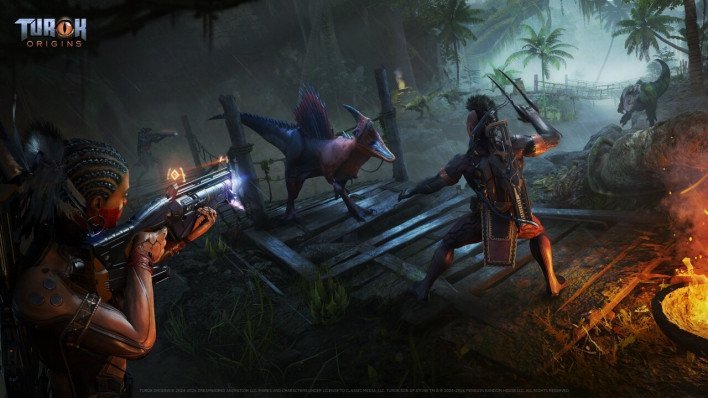
A core design philosophy behind Turok: Origins distinguishes it from contemporary trends in gaming. The developers have been explicit that this is a premium, campaign-focused experience rather than a live-service title or looter shooter. The game delivers a complete narrative experience that players can finish from start to finish, either solo or cooperatively with up to three players. While progression systems exist and cosmetic unlocks are available, these are earned through gameplay rather than sold separately, reinforcing the premium model rather than a games-as-a-service approach.
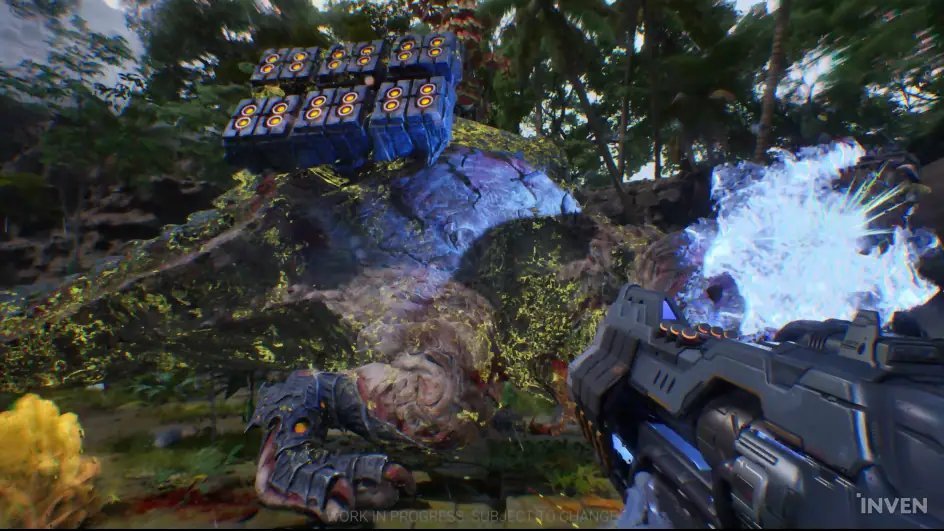
The gameplay structure incorporates a notable technical achievement: seamless switching between first-person and third-person perspectives during active play. Rather than retrofitting one perspective onto a game designed for another, the development team built entirely separate pipelines for each viewpoint. This decision reflects player preference data showing that approximately 70 percent of modern shooter players favor third-person gameplay, while the team wanted to accommodate both preferences simultaneously. The switching mechanism functions without disrupting gameplay balance or creating jarring transitions, allowing cooperative players to experience the game in their preferred perspective.
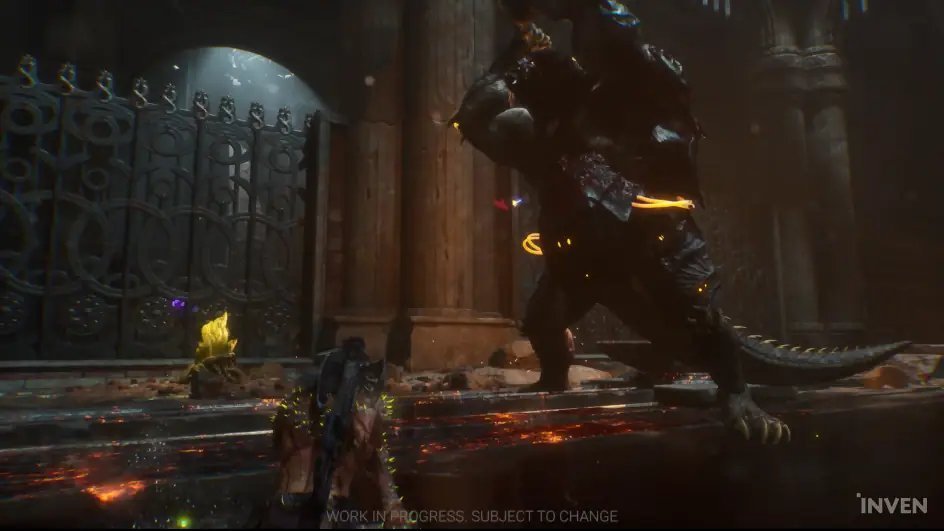
Character progression in Turok: Origins operates through an extensive weapon modification system featuring around 250 different mods. These modifications go beyond simple stat adjustments; a fully upgraded weapon can function fundamentally differently from its initial state. This depth becomes particularly relevant in cooperative play, where two players using identical weapons can create entirely different combat experiences through divergent upgrade paths. The game features three distinct classes—one tank-oriented, another specializing in weaponry, and a third focusing on special abilities derived from harvested enemy DNA. Solo players can complete the campaign using any single class without AI companions, while cooperative teams benefit from synergies between different roles.
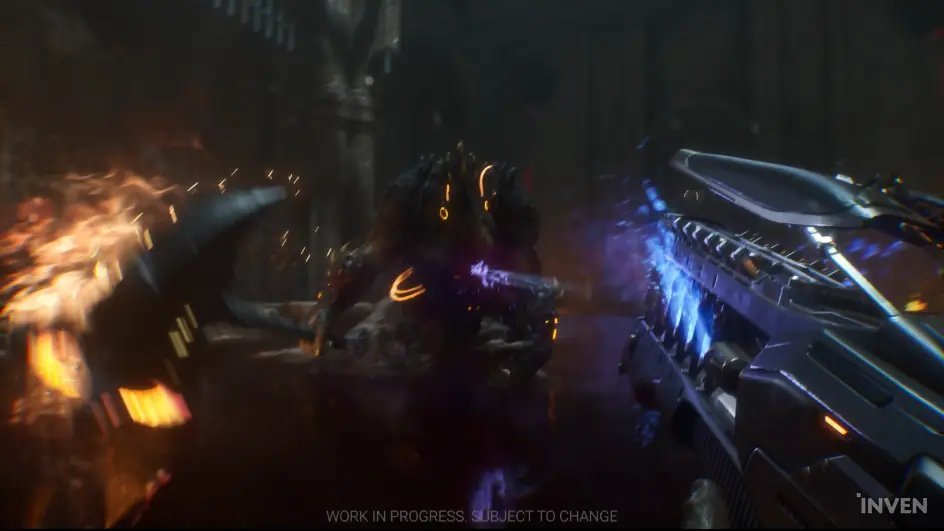
Melee combat and execution finishers occupy a prominent role in the gameplay loop, distinguishing Turok: Origins from typical shooters that relegate close-quarters combat to secondary status. Executing finishers charges each class’s ultimate ability meter, making aggressive melee engagement strategically important rather than optional. The Madrid studio, traditionally known for animation expertise, invested considerable effort in ensuring execution animations play smoothly across varied terrain and environmental conditions. Each class possesses unique melee weapons, and different finisher animations trigger depending on the enemy type, resulting in hundreds of distinct execution sequences throughout the game.
Native American cultural representation received serious attention during development. The team hired cultural consultants from Native American communities and subjected every cultural element—including feathers, face paint, and spiritual symbolism—to thorough review processes to prevent misrepresentation or offensive implementation. The game’s suit systems and class identities draw inspiration from Native American spiritual connections with nature, incorporating animals like the Raven, Cougar, and Bison. The bio-suits function by absorbing traits from harvested enemy DNA, conceptualized as extracting spiritual essence from nature. The narrative structure reflects how this strong bond with nature exists in the game’s earlier time period but gradually fades as the timeline progresses toward the events of the original games, leaving only traces of that connection in later eras.
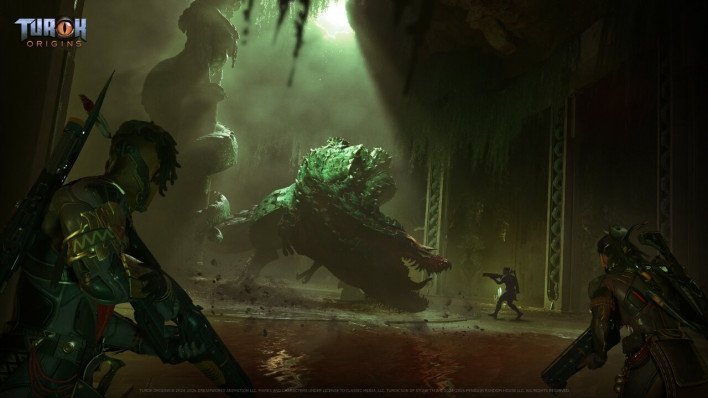
The game features approximately 12 dinosaur species alongside various alien creatures, providing substantial enemy variety. Notably, the original Turok games contained only two or three dinosaur types, so this entry significantly expands that roster and includes massive dinosaur bosses. The developers target a Spring 2027 release window without committing to a specific date, preferring to allow adequate development time for quality rather than locking in a deadline prematurely. The game will launch on multiple platforms, though exact platform details remain under consideration. Korean language localization is currently being evaluated but has not been finalized, though the director expressed personal interest in supporting the Korean market given its significance in the gaming industry.