
Google’s Conveyor Belt Keyboard Brings Keys to Your Fingers
 James Whitfield
2 min read
James Whitfield
2 min read
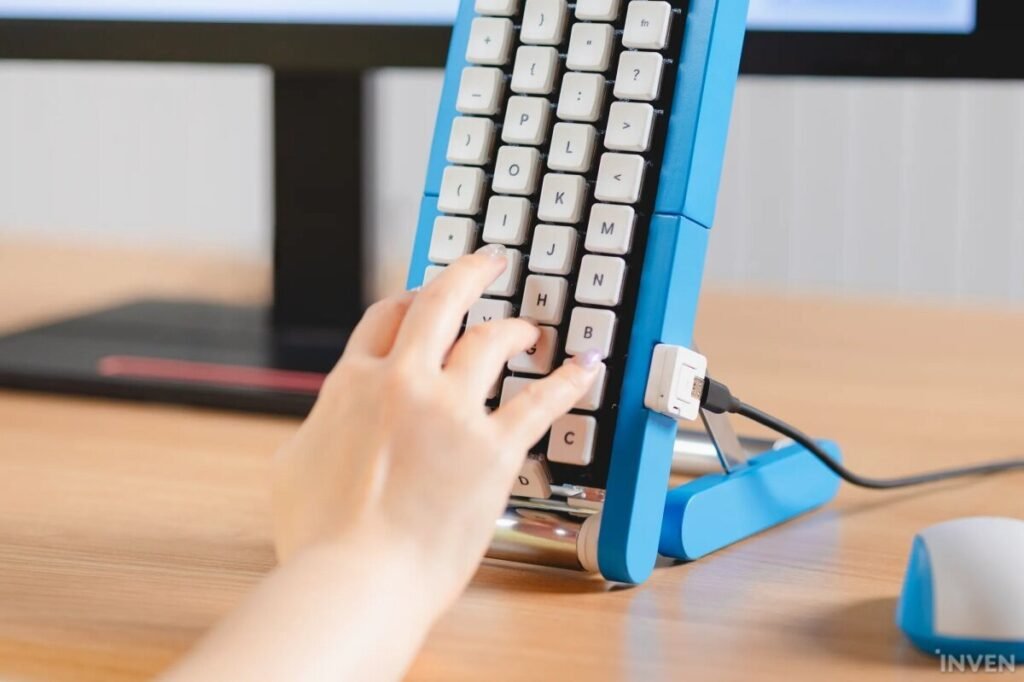
Google's Japanese development team has unveiled an unconventional keyboard that moves keys toward the user rather than requiring hands to travel across a static layout. The Gboard Kurukuru Version, announced on October 1, uses a conveyor belt system to deliver characters directly to fingertips, enabling single-handed or even single-finger typing.
The concept emerged from a fundamental observation: traditional keyboards assume two-handed operation, making one-handed input awkward and inefficient. The team's solution inverts the problem by placing keys on motorized belts that rotate toward the user's hand. Four separate belt lines each contain 29 keys, totaling 116 characters across both uppercase and lowercase letters. Users simply press a key as it passes within reach, eliminating the need for complex hand movements or reaching across the keyboard.
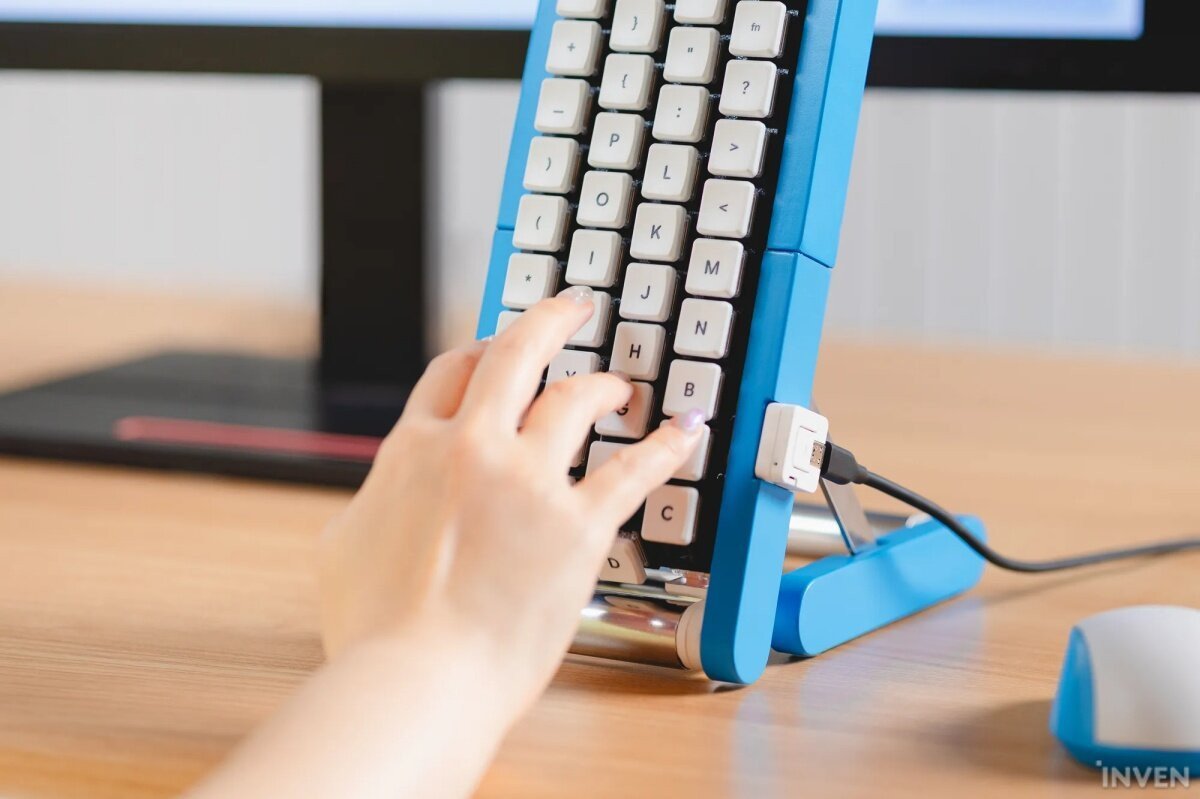
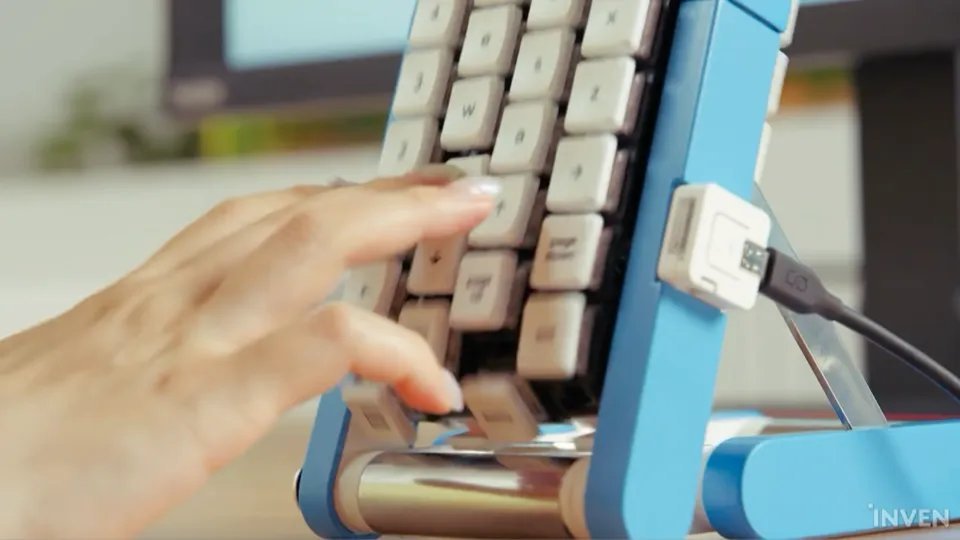
The design opens practical possibilities. Typists can compose messages while holding a beverage, operating a mouse with their other hand, or relying solely on audio cues through Voice Guide Mode. The development team suggested that pairing two units might further enhance productivity for users who prefer traditional two-handed typing. Conceptual variations mentioned include a high-speed mode, extended versions supporting additional characters, and a portable compact model. The team also playfully referenced specialty keycaps, including a cat scratcher variant and caps created through traditional stone-carving techniques.
No commercial version is planned. Instead, Google published the complete design blueprints on GitHub, allowing anyone with access to parts and assembly skills to build their own unit. This open-source approach reflects the team's philosophy of prioritizing creative experimentation over marketability.
This marks the 15th device in an annual tradition dating back to 2010, when the team introduced the Google Japanese Input Drum Version. Subsequent years brought increasingly imaginative input methods: a single-line bar keyboard in 2022, a head-mounted wearable device in 2023, and a rotary dial interface inspired by vintage telephones last year. The conveyor belt concept continues this rotation theme while reversing the mechanical relationship between user and device.
The October 1 announcement date carries deliberate significance, referencing the standard 101-key keyboard rather than April Fools' Day pranks. Despite its impractical nature, the development team invested substantial effort into creating a fully functional prototype and comprehensive documentation. The official FAQ even addresses the obvious question: whether the announcement actually occurred on October 1 or was an elaborate joke. The answer confirms the device's genuine existence, even if its real-world utility remains primarily novelty-focused.