
South Korea Fines Google, Apple 63.7B Won Over App Payment
 James Whitfield
3 min read
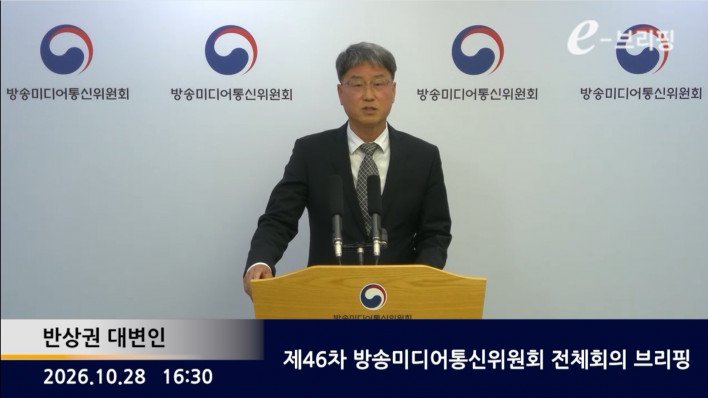
South Korea's media and communications regulator has ordered Google and Apple to pay a combined 63.7 billion won in fines for restricting developer payment options on their app platforms. The Korea Media and Communications Commission (KMCC) announced the decision on the 28th, with Google facing a 42.9 billion won penalty and Apple 20.81 billion won. The action represents the first enforcement case under provisions added to the Telecommunications Business Act in 2021 that specifically target app marketplace operators.
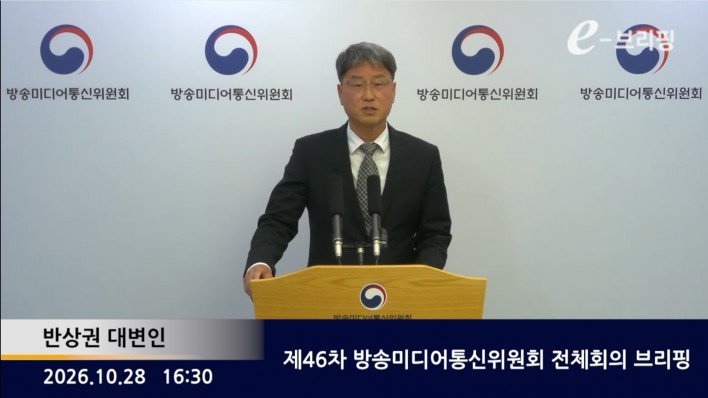
The KMCC's corrective orders center on expanding payment choices for users and developers. Both companies must now provide alternative payment methods through external links within applications, giving users genuine options beyond in-app payment systems. Additionally, both firms are required to overhaul their app review procedures. Apple faces an extra requirement to implement safeguards against future violations and eliminate discriminatory treatment between domestic and international developers.
A significant gap remains in the enforcement action regarding commission rates on alternative payment methods. While the KMCC directed both companies to improve their commission policies for existing third-party payments, it did not mandate specific fee levels or prohibit charges on newly available external payment options. Officials acknowledged during briefings that if Google and Apple impose commission rates similar to their current structures on alternative payment methods, the practical benefit to developers may be limited. The tangible impact will ultimately depend on the fee structures each company chooses to implement.
The investigation found that Google and Apple had systematically restricted payment options in developer agreements, permitting only their proprietary in-app systems and limited third-party alternatives while blocking external payment methods. When third-party payments were allowed, both companies charged 26 percent commission fees and provided inferior features compared to their own systems, such as limited subscription management capabilities. Developers faced additional burdens beyond commission costs, including expenses for building payment infrastructure and processing settlement fees—expenses the KMCC determined the companies failed to adequately consider. Google further restricted how developers could display prices across different payment methods, while Apple required separate app submissions for different payment options. The KMCC concluded these overlapping restrictions effectively forced developers toward proprietary payment systems through abuse of the companies' market power.
Unfair app review practices also factored into the enforcement action. Both companies delayed app reviews without providing developers specific reasons for the delays. Even when developers requested explanations, the companies failed to clearly communicate the causes or expected timelines. The KMCC determined these delays were unfair based on a comprehensive evaluation of delay justifications, notification practices, and grievance procedures.
Apple faced an additional violation for discriminatory commission practices targeting domestic developers. From July 2015 through January 2023, Apple charged foreign developers a 30 percent commission calculated on the supply price excluding value-added tax, while charging domestic developers 30 percent based on the final consumer price including VAT. This meant domestic developers effectively paid commission on the VAT portion as well, creating an unfair economic disadvantage compared to international counterparts. The KMCC classified this as discriminatory treatment that violated fair competition standards.
The KMCC's investigation began in 2022 with fact-finding inspections and included a formal hearing with both companies on August 12. Officials stated that although additional facts emerged after the hearing, the core conclusions remained unchanged. KMCC Chairperson Kim Jong-cheol emphasized that sustainable app market ecosystems require cooperative relationships between operators and developers, and that developer contributions drive market innovation. He characterized the corrective measures as a potential turning point for structural market changes that developers and consumers can meaningfully experience. The chairperson also stressed that enforcement will apply equally to domestic and foreign companies and indicated the KMCC will continue examining the broader market landscape as platform user protection issues grow.
Regulators acknowledged limitations in the current enforcement framework. Under existing law, fines are capped at 3 percent of relevant revenue, whereas the European Union permits fines up to 10 percent of global revenue and Japan allows up to 20 percent. KMCC officials noted that as telecommunications and platform markets expand, existing penalty structures lack sufficient deterrent effect. The commission is preparing amendments to increase fine ceilings and strengthen enforcement tools. Google and Apple must submit implementation plans within one month and report results within three months thereafter, with ongoing KMCC monitoring to ensure compliance in the South Korean market.