11-Year-Old Early Access Game Gets First Update Since 2018
 James Whitfield
3 min read
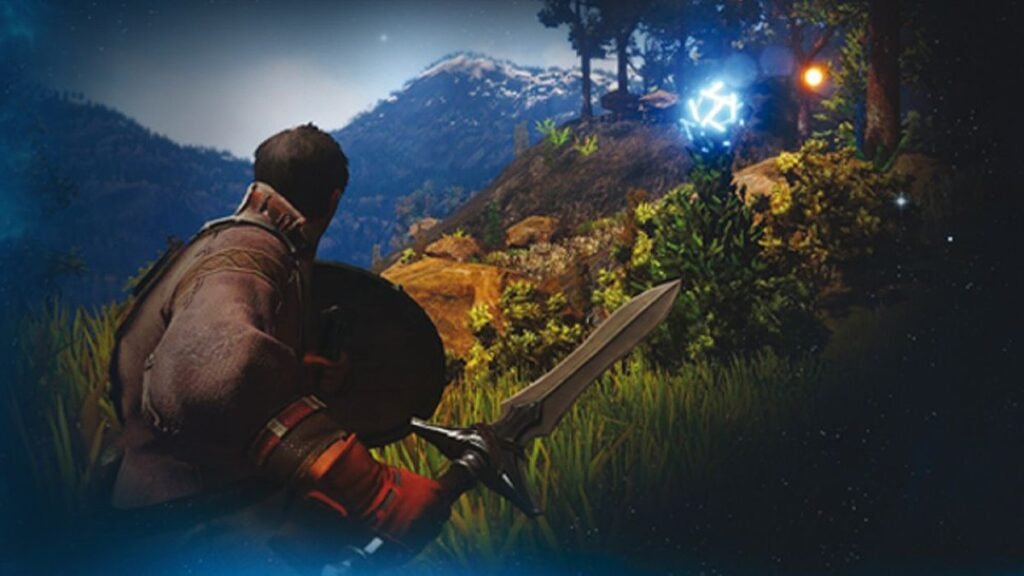
Novus Inceptio, a survival game that has languished in early access for over a decade, has finally received a substantial update — its first since 2018. The solo developer behind the project, Martin Markus Mastný, recently announced the revival of development and appealed to players to give the game another chance.
The game originally launched in early access in October 2015 and has remained largely dormant ever since. Mastný’s recent update marks a significant milestone for a project that many players likely forgot existed. In his announcement on Steam, Mastný acknowledged the long gap, stating that the energy and determination to complete the game have returned, though development will proceed on a part-time basis rather than full-time.
The latest update brings substantial changes to the game world and mechanics. The playable map has expanded dramatically from 9 square kilometers to 64 square kilometers of wilderness terrain. Combat systems have been completely rebuilt from the ground up. The game is currently single-player only, though Mastný has indicated plans to eventually introduce cooperative multiplayer functionality.
When asked about the reasons behind the extended development hiatus, Mastný provided candid insights into his experience. He explained that the transition from solo development to managing a released game on Steam proved overwhelming. What began as a manageable workflow—developing the game and engaging with the community—quickly spiraled into an unsustainable situation. He found himself constantly monitoring Steam forums, responding to player questions immediately, and attempting to accommodate every request and criticism. This pressure, combined with his desire to earn positive reviews and satisfy the player base, led to complete burnout between 2016 and 2019.
Mastný described the toll this took on both himself and the game’s direction. He compromised on his original vision repeatedly in attempts to please players, which he now recognizes fundamentally altered what Novus Inceptio was meant to be. Looking back at the code and game mechanics years later, he can see the damage these compromises caused. The extended break, he explained, was necessary for him to recover and gain perspective on what went wrong.
His decision to return to the project stems from a combination of personal responsibility and emotional attachment. Mastný described the game’s world and environment as giving him a sense of peace—he could spend hours simply exploring the forest and enjoying the landscape. Beyond personal satisfaction, he feels a commitment to the players who supported the game and to himself to bring the project to a meaningful conclusion. He characterized Novus Inceptio as a significant chapter of his life that changed him both positively and negatively, and he wants to close that chapter properly.
When addressing skeptical players who might question his commitment given the seven-year gap, Mastný was honest about his limitations. He refused to make promises about timelines or specific features, instead asking players to observe whether he maintains momentum with the project. He framed early access as an opportunity to make meaningful changes based on community feedback while development is still ongoing. His message to doubtful players was essentially to watch and decide for themselves whether to trust him again.
Mastný also offered perspective on the broader challenges facing solo developers creating survival games. He emphasized the importance of making games that genuinely interest the creator, while learning from both successes and failures of other titles. He acknowledged that the development landscape has become significantly more difficult since 2015. Reflecting on his own experience, he noted that his initial decision to avoid traditional multiplayer functionality hurt the game commercially, but he lacked the experience at the time to recognize this problem. His main advice to aspiring survival game developers is to remain flexible enough to step back from personal vision when it becomes detrimental to the project’s success.