Astrae Oratio Playable Demo Debuts at Tokyo Game Show
 James Whitfield
4 min read
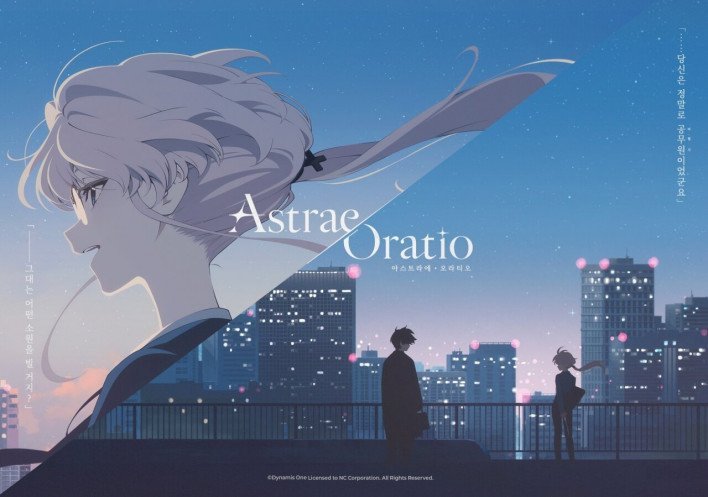
Developer Dynamis One and publisher NC unveiled the first playable build of their upcoming subculture RPG Astrae Oratio at Tokyo Game Show 2026, marking a major milestone for the project after months of gradual world and character reveals.
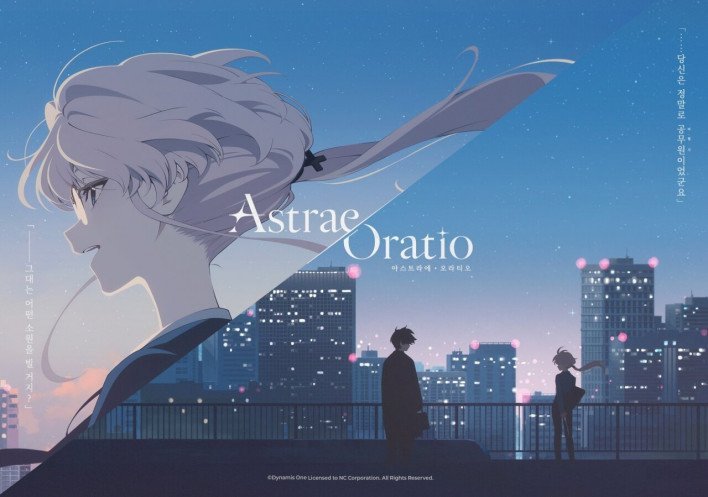

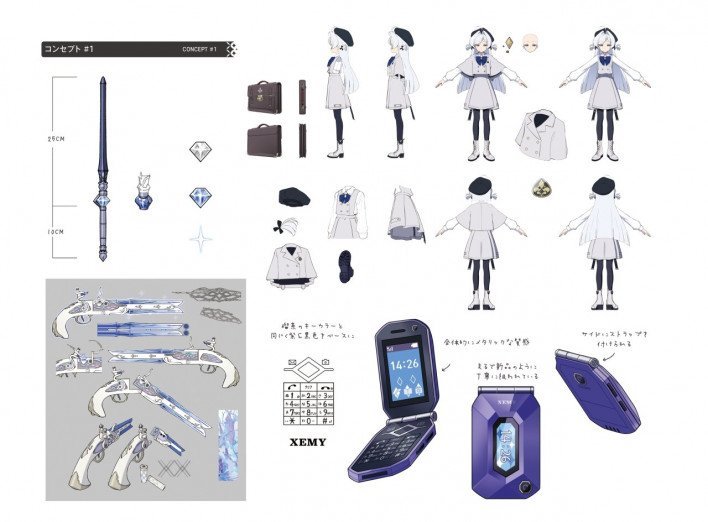
Astrae Oratio began as Project AT before receiving its official title in April 2026, following NC's strategic investment in Dynamis One and acquisition of global publishing rights earlier that year. Full-scale development commenced in September 2024 under the direction of scenario writer isakusan and art directors In Kim and DoReMi. The game is being positioned as a "Shin-denki subculture RPG themed around magic and administration," emphasizing narrative and worldbuilding alongside character collection mechanics. The development team envisions the title as an ongoing serialized experience rather than a standalone product, with Game Director Jong-gyu Lim describing the upcoming closed beta test as a pilot program to validate the core gameplay loop.
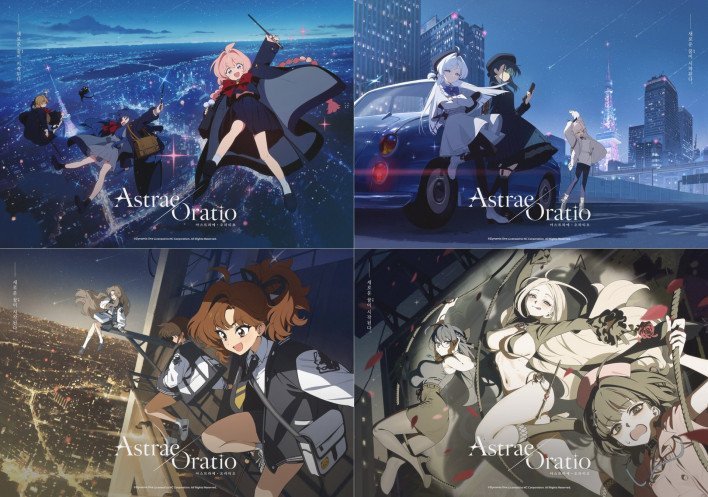
The game takes place in "Tokyo in '89," an alternate version of the city where magical and anomalous phenomena accelerated technological development beyond real-world history. Rather than a strict period recreation, the setting blends 1980s aesthetics with futuristic elements under the art direction principle of "lyrical analog." This approach reflects the developers' desire to revive classic genre conventions after years of repetitive isekai and post-apocalyptic narratives in subculture media. The choice of Tokyo itself connects to the Shin-denki genre's strong association with the city, similar to how Westerns evoke the American frontier. Key locations including Tokyo Tower were constructed based on on-site research, while administrative elements like maps, documents, and ID cards reinforce the game's dual themes of magic and bureaucracy.
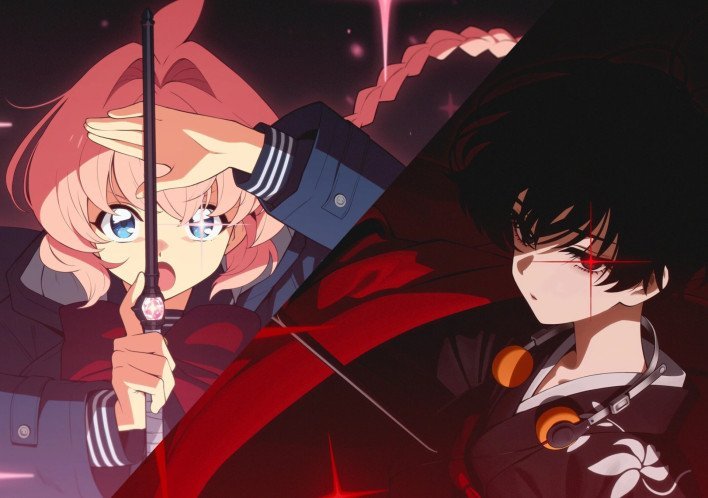
Within this world, wizards wield supernatural power through objects called Kleis, using Artifacts to manifest their will into reality. They govern individual Territories, with disputes resolved through a system called Trial of Domination—a combat-based judicial mechanism that merges fantasy magic with institutional administration. The Special District Bureau oversees these wizards and their territories. The player character, however, is an ordinary civil servant called the Chief, who is transferred to the Special District Bureau and becomes entangled in various magical incidents while managing administrative duties. Around 30 characters will be featured at launch, organized into roughly 10 playable factions including the Special District Bureau, the Territory Management Association, and the Seiran Association. The narrative employs full Japanese voice acting, with cinematic density heightened during key story moments and Territory Declarations to contrast peaceful daily life against underlying crises.
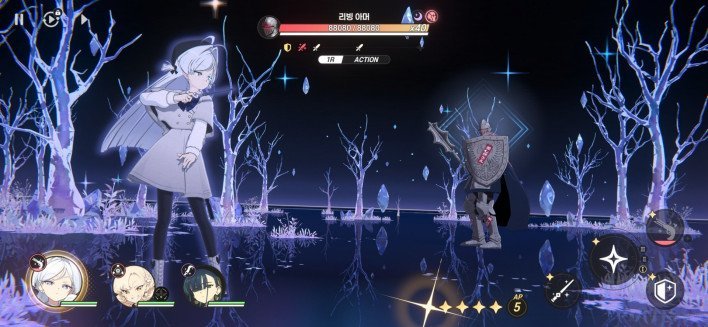
Combat operates as a turn-based system enhanced with real-time mechanics. Characters consume Action Points to execute basic attacks, combat skills, and ultimate abilities, with players able to chain multiple actions within a single turn as long as AP remains available. Combat skills carry individual cooldowns that can be reduced by weaving basic attacks between them. The system incorporates defensive mechanics allowing players to interrupt regular enemy attacks by striking first or parry heavy attacks through well-timed counters. Certain red-highlighted enemy attacks cannot be countered and require players to either switch characters or absorb damage. The game employs a three-character tag-team squad where only one character fights at a time, with tag-in effects varying by character and role. Benched characters remain vulnerable to area-of-effect attacks, requiring players to monitor off-field health as well. Territory Declaration, triggered when individual character conditions are met, restores AP and resets skill cooldowns, enabling sustained offensive momentum. An elemental weakness system depletes enemy Break Gauges, with exploiting weaknesses forming part of the core strategic loop. Director Jong-gyu Lim stated the combat design aims to deliver both turn-based strategy and real-time action tension by deconstructing fighting game mechanics and infusing them into turn-based gameplay, shifting focus from passive turn-waiting to active attack sequencing and reactive decision-making.
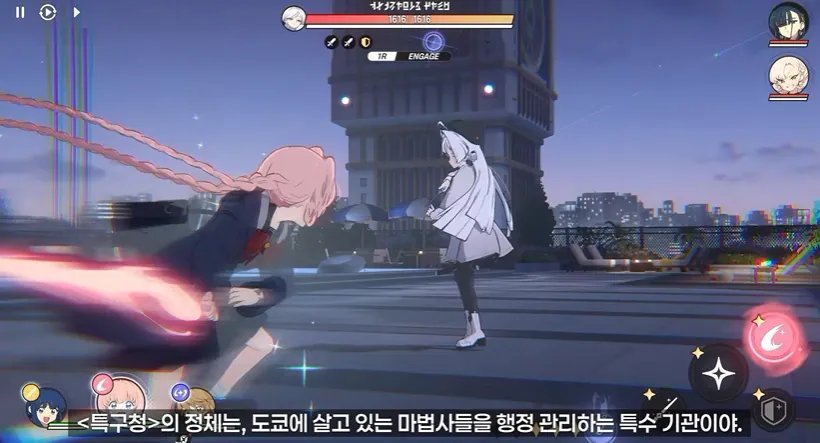
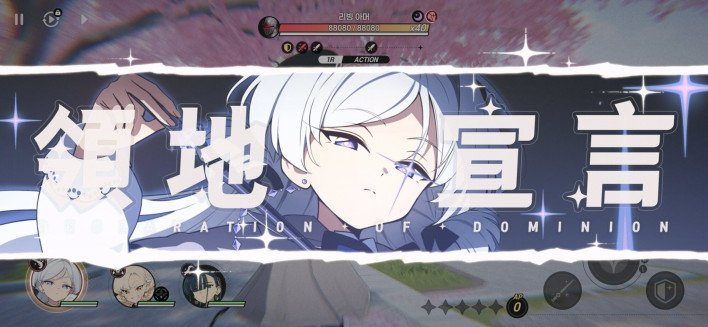
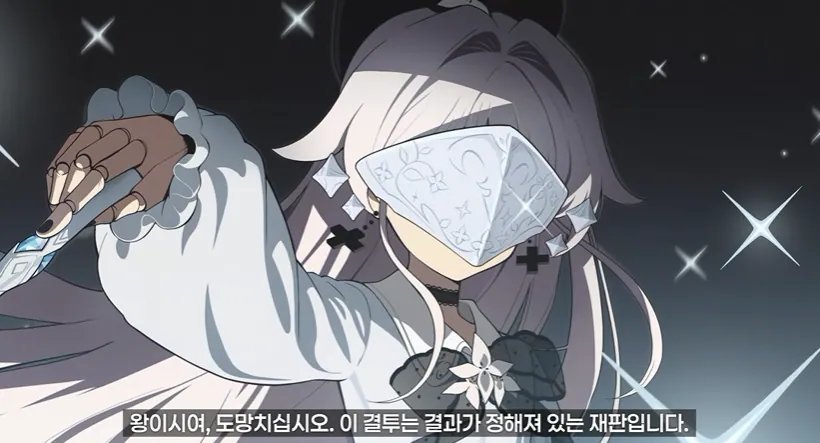
The closed beta test is now recruiting participants globally through September 21, 2026, with selected players able to test the game on Android and iOS platforms. The test content spans approximately three to five days of gameplay, densely arranged to showcase the fundamental cycle of combat, story, and Special District Bureau administrative management rather than isolated gameplay snippets. Recommended specifications include Snapdragon 8 Gen 2 or higher with 8GB RAM for Android, and A16 or higher with 6GB RAM for iOS. Minimum requirements are Snapdragon 7 Gen 1 with 6GB RAM for Android and A14 with 4GB RAM for iOS. The test supports Korean, Japanese, Traditional Chinese, and English text with Japanese voice acting. In-app purchases will be disabled during testing, and all player data will reset after the test concludes. NC plans to gather feedback through the beta to inform future development.
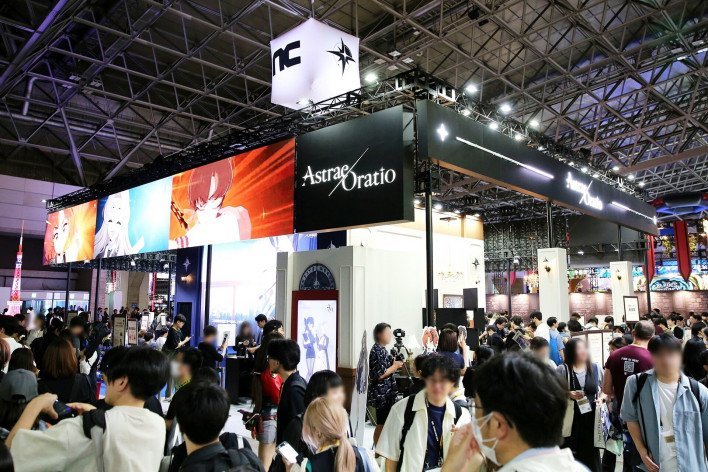
The Tokyo Game Show demo offered visitors the choice between Scenario and Combat builds, with an additional Prologue Scenario Screening and newly released Prologue Digest video providing early story context. The platform strategy currently focuses on mobile devices, with the PC version not supported during this beta phase. Although an internal PC build exists and a PC version remains under long-term consideration, the developers prioritize delivering the initial smartphone experience since Astrae Oratio was originally designed for mobile platforms. Director Jong-gyu Lim explained the goal is not to replicate classic Shin-denki exactly but to reinterpret it modernly for smartphone environments. The game targets simultaneous global launch across Korea, Japan, North America, and Europe, aiming for audiences who grew up enjoying Shin-denki and related works from the 1990s and early 2000s.