
Endless Legend 2 Review: A Masterclass in 4X Design
 James Whitfield
4 min read
James Whitfield
4 min read

Amplitude Studios has solidified its reputation as one of strategy gaming's most innovative developers with Endless Legend 2, a sequel that builds confidently on the foundation of its predecessor while modernizing the experience for contemporary audiences. Released in September 2026, the game demonstrates why the studio's approach to the 4X genre continues to captivate players seeking something beyond the conventional.
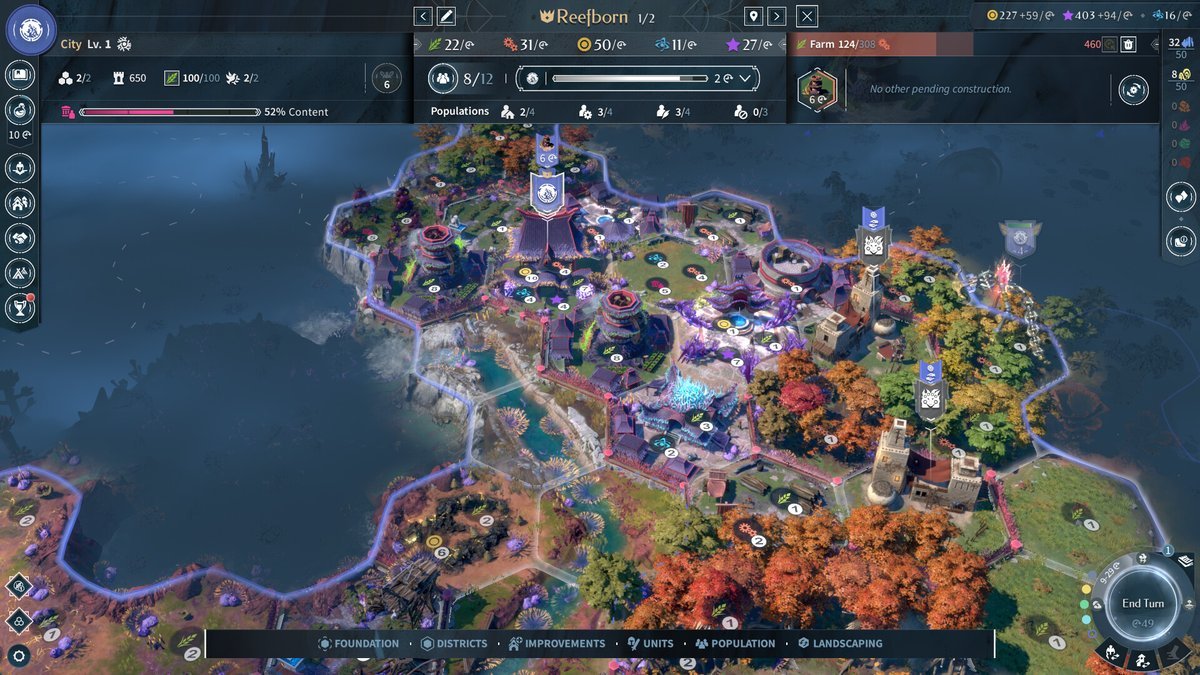
The original Endless Legend arrived as a breath of fresh air for a genre that had grown formulaic, and its influence on subsequent 4X titles has been substantial. Many of its pioneering mechanics have since become industry standards. Yet despite this widespread adoption, Endless Legend 2 manages to feel vital and distinctive. The game returns to the science-fantasy setting that defined the series—a world where crashed starship survivors, robotic constructs, and magical technologies coexist in an unusual blend. Rather than relying on traditional fantasy tropes like dragons or elf-inspired races, the game populates its world with evolved desert creatures, sentient coral robots, and sand-dwelling spirits, creating an aesthetic that feels both imaginative and internally consistent.
The new world of Saiadha operates under a compelling constraint: it is slowly dying. An ancient civilization sealed something catastrophic beneath the planet's surface, and its emergence is causing the oceans to drain into the planetary core. Every few dozen turns, monsoons sweep across the world, and when they pass, the phenomenon called Tidefall occurs—shorelines recede dramatically, revealing sunken landscapes and ancient technologies ripe for colonization. This mechanic serves as the game's central organizing principle, repeatedly reshaping the strategic landscape and preventing the late-game stagnation that plagues many 4X titles. Previously isolated territories connect, new resources emerge, and established borders become vulnerable, forcing players back into the exploration and expansion phases that make 4X games most engaging.
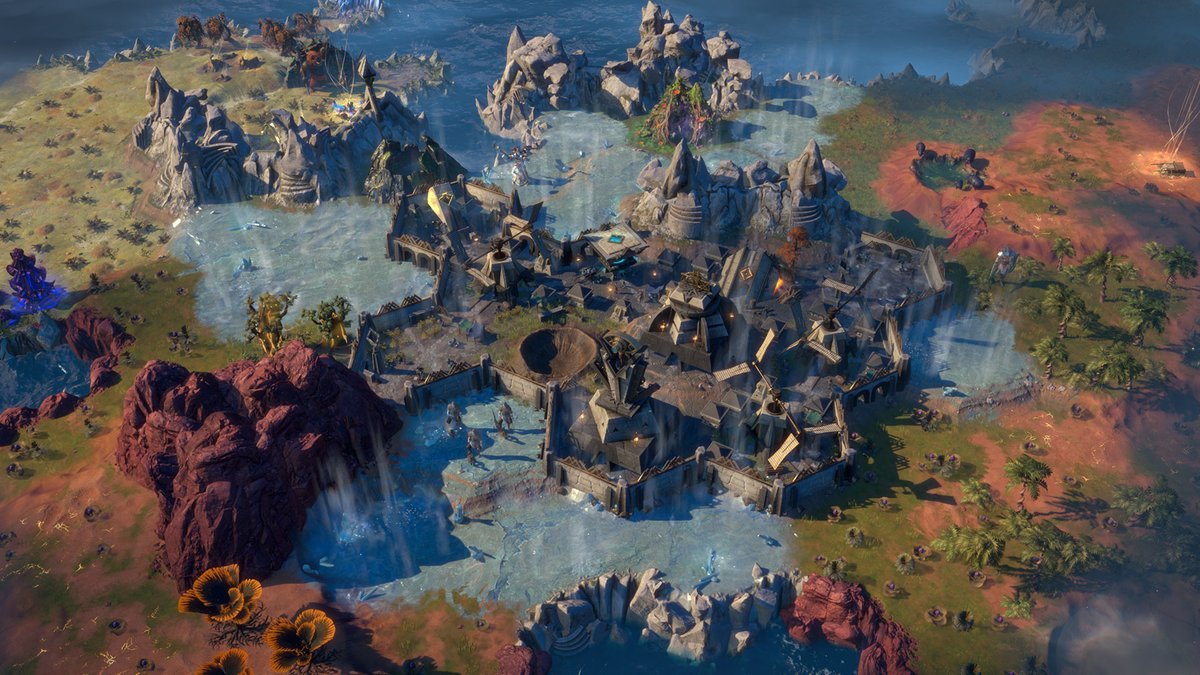
The visual presentation maintains Amplitude's tradition of distinctive aesthetic design. Painterly color choices and thoughtful texture work distinguish different terrain types and biomes, with the newly emerged ocean floors offering visually distinct spaces to explore. The dynamic soundtrack by Arnaud Roy deserves particular praise, employing a crystal organ and adapting responsively to diplomatic screens, battle phases, and exploration states rather than relying on repetitive loops. One notable weakness lies in the interface redesign: while functional, the shift toward symbols rather than clear text labels for cities, armies, and resources creates unnecessary friction, requiring players to learn visual conventions rather than immediately understanding the map at a glance. The lighting system also remains relatively flat, missing opportunities for more dynamic environmental presentation.
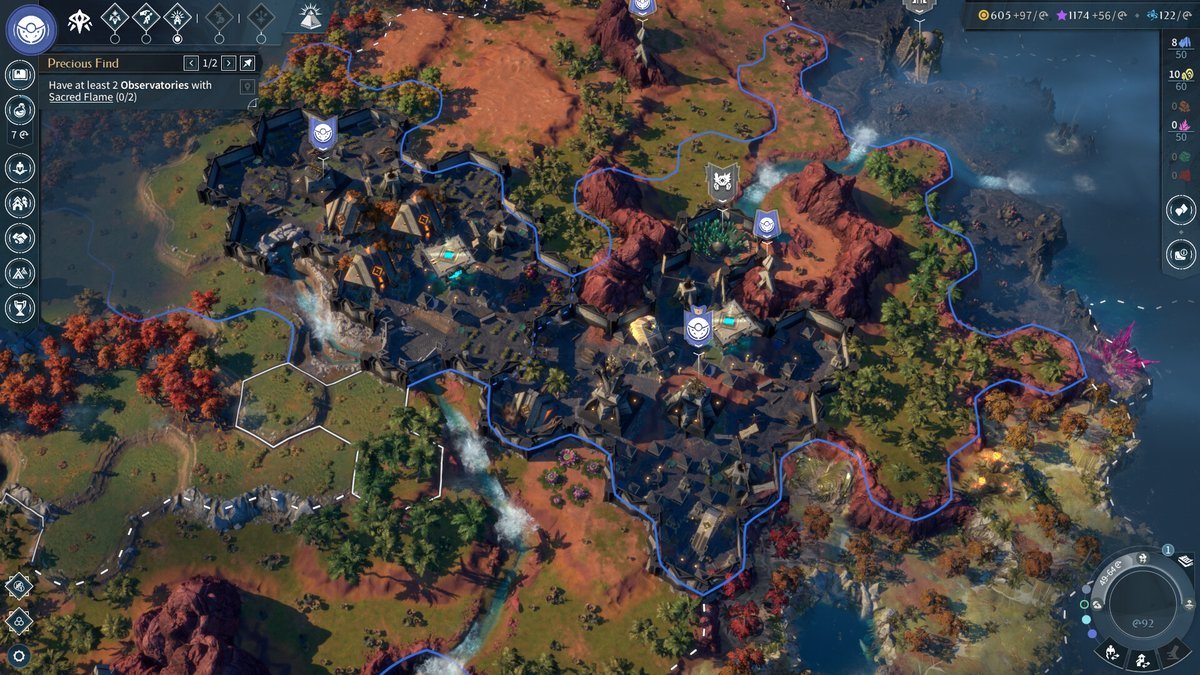
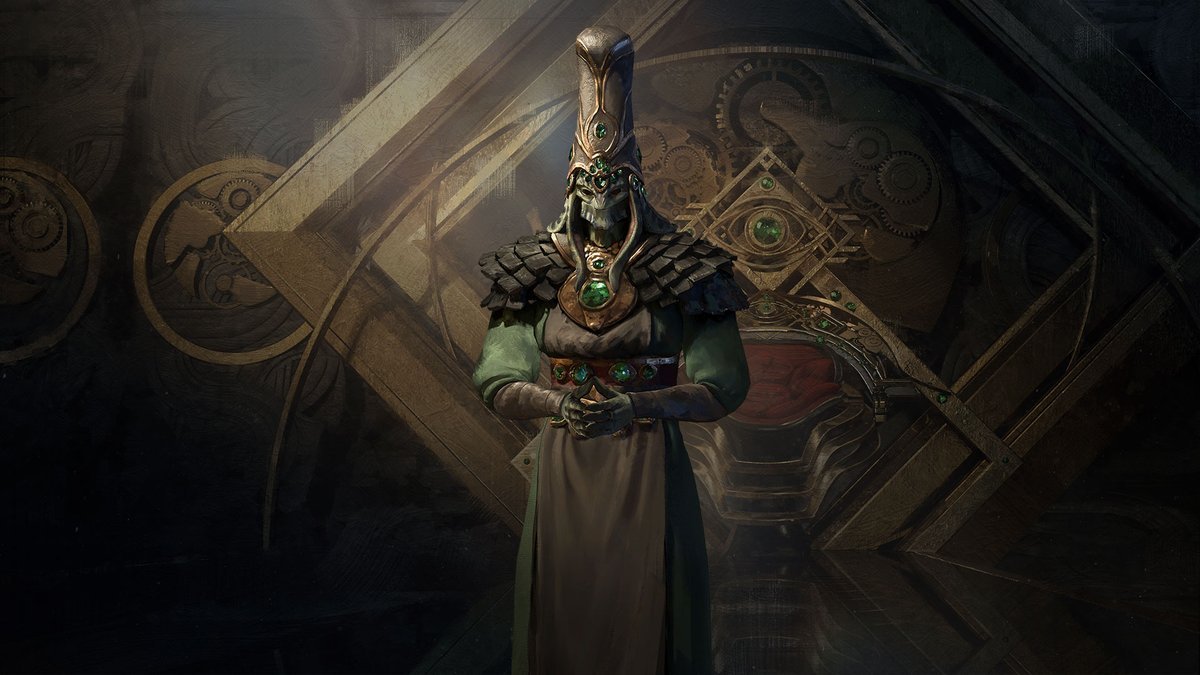
Gameplay remains rooted in Amplitude's signature resource system—FIDSI, representing Food, Industry, Dust, Science, and Influence—which continues to function elegantly. The real strength emerges in faction asymmetry. Each playable faction breaks fundamental game rules in distinct ways. The Sandshapers, living mineral constructs, cannot farm and must terraform the world into desert to gather the minerals necessary for population growth. The Children of Sheredyn prioritize fortress construction over conventional infrastructure. The Aspects, a symbiosis of coral and robotics, can spend influence to force diplomatic agreements on other factions. The Necrophage operate as a single-city hive always justified in declaring war, driven by perpetual hunger. Even variant "rogue" factions invert their parent faction's playstyle, creating aggressive expansionists from defensive peoples and enslaving cyborg swarms from devouring horrors. This design philosophy ensures that no two playthroughs feel identical, and players seeking unconventional strategies will find them rewarded.
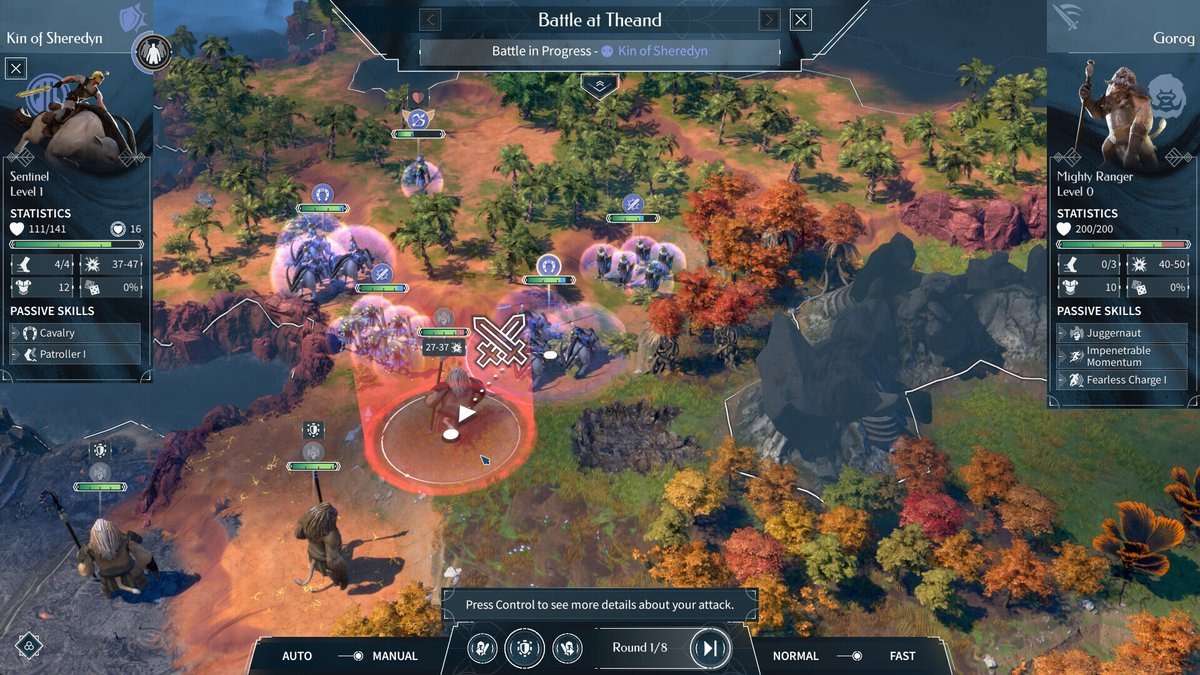
Tactical combat benefits from the dynamic map, as armies constantly move to scout new territory, guard borders against monsoon-spawned Doomwraiths, and position themselves for the next Tidefall. Positioning remains strategically meaningful, particularly for factions designed around terrain exploitation or ranged combat. However, the combat system feels somewhat tightly wound—damage values create nearly equal exchanges unless one side maintains a 2:1 numerical advantage, and meaningful victories often require exploiting buffs or terrain mechanics rather than superior tactical positioning. The difficulty settings function well and scale consistently, though higher difficulties rely on inflating AI resource bonuses rather than improving algorithmic decision-making.
Despite some mechanical refinements from the original, Endless Legend 2 avoids the trap of iterating too conservatively. While certain innovations—like map terraforming and city expansion across regions—have become commonplace in the genre, the game's approach to faction design and world dynamics remains distinctive. The Tidefall system particularly stands out, transforming what could be a static endgame into a series of strategic resets that maintain engagement throughout a typical campaign. Endless Legend 2 represents a confident continuation of Amplitude's legacy, proving that creative design and thoughtful systems can keep a genre feeling fresh even as its conventions become established.