Nintendo veteran credits Miyamoto’s puppet love for Zelda
 James Whitfield
2 min read
James Whitfield
2 min read
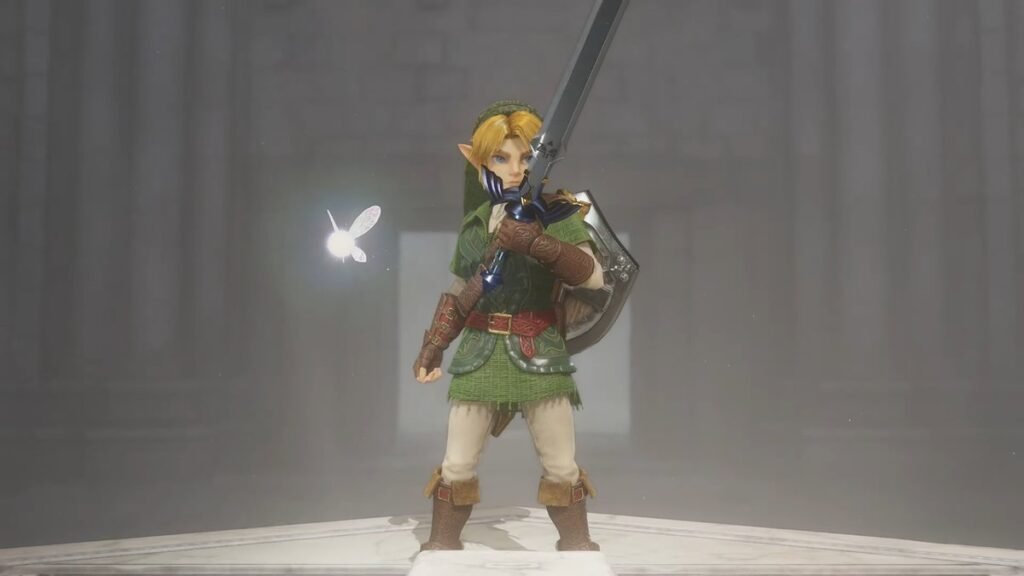
Takaya Imamura, a veteran artist who spent over three decades at Nintendo, has offered insight into the artistic direction behind the upcoming Legend of Zelda: Ocarina of Time remake, attributing its distinctive visual style to Shigeru Miyamoto's well-documented fascination with puppet theater.
Imamura, whose portfolio includes character designs for the Star Fox series and the distinctive dark aesthetic of Majora's Mask, examined the new Link model and observed that Miyamoto's influence was evident in the remake's appearance. He noted that the puppetry inspiration comes through clearly in the character design, suggesting the art direction draws from Japanese marionette traditions rather than traditional animation or realistic rendering.
Miyamoto's connection to puppetry has long been a defining element of his creative work. The original Star Fox was famously marketed using physical puppets, and that same influence resurfaces in the recently announced Star Fox revival for Nintendo Switch 2, which similarly received mixed reactions from players regarding its artistic choices. The new Zelda remake appears to continue this thread, with the character models bearing resemblance to traditional Japanese marionettes when compared side-by-side.
While some fans have criticized the remake's visual direction, Imamura expressed enthusiasm about revisiting the classic game itself. He mentioned that his last experience with Ocarina of Time came through the Nintendo 3DS version, and he looked forward to exploring the remake. He praised the color palette and lighting work, suggesting the technical execution matched his expectations for the project.
Imamura's perspective carries particular weight given his extensive collaboration with Miyamoto throughout his career at Nintendo. His firsthand experience with the legendary designer's creative philosophy provides credible context for understanding the artistic choices in the remake. The connection between puppet aesthetics and the game's visual presentation appears intentional rather than accidental, reflecting a consistent artistic vision that Miyamoto has maintained across multiple projects over the years.