Rare’s canceled SNES prototype that led to Banjo-Kazooie
 James Whitfield
2 min read
James Whitfield
2 min read
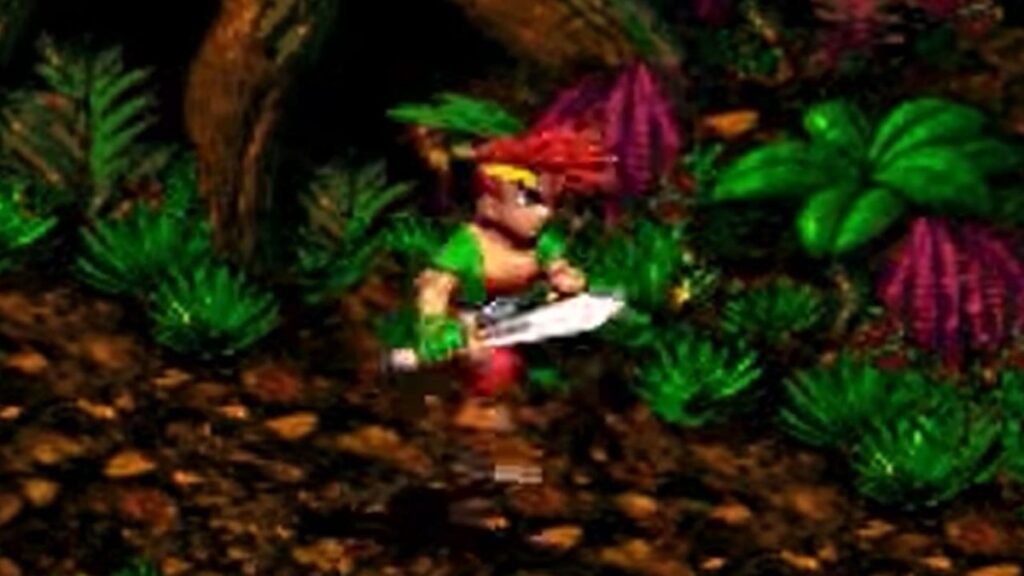
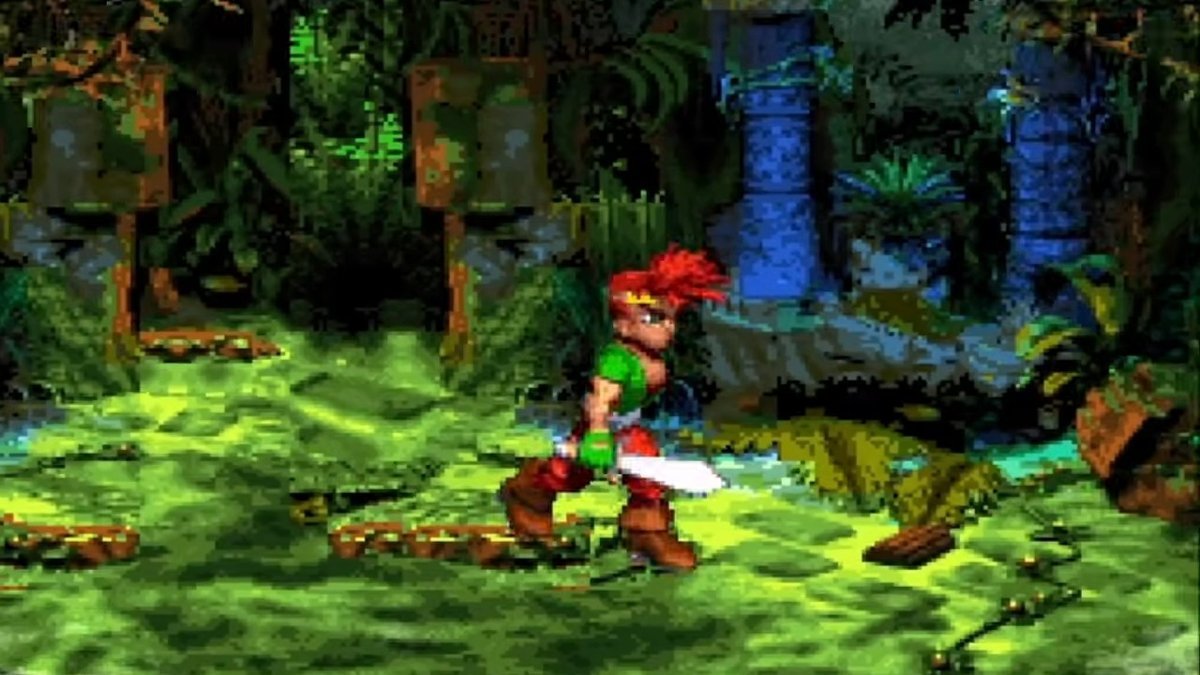
A significant piece of video game history has surfaced online as someone has released ROM files for Project Dream, an abandoned proof-of-concept developed by Rare that eventually evolved into the foundation for Banjo-Kazooie.
Project Dream was originally conceived as a pirate-themed RPG intended for the Super Nintendo. The prototype features a single character model and jungle settings that appear visually sophisticated for the 16-bit hardware, despite being only an early alpha build. Rare abandoned the project after 16 months of development in 1997, primarily due to technical limitations that made the original vision impractical for the SNES platform.
While Rare has previously discussed and even shown footage of Project Dream publicly, this marks the first time the actual ROM files have been made broadly accessible online. The individual responsible for the release, operating under the username FvckAsha&Phil, claims to have obtained the prototype through an indirect chain of sources. In an accompanying statement, the leaker explained their decision to release the materials now, citing concerns about industry preservation and corporate practices.
The leaker expressed frustration with current conditions in the gaming sector, particularly regarding Microsoft's management of studios under its ownership. They referenced the company's recent mass layoffs and what they characterized as anti-preservation business strategies. The statement also touched on broader industry issues, including widespread job cuts and what the leaker viewed as unethical corporate decisions.
The leaker urged others in possession of unreleased prototypes to consider making them public as well, specifically mentioning the Twelve Tales Conker 64 prototype as an example of material they believe should be preserved and studied by preservation experts. They encouraged readers to reconsider their support for major technology companies and suggested alternative platforms and purchasing practices.
Rare has faced significant challenges following Microsoft's restructuring efforts that began in mid-2024. The studio was affected by layoffs totaling 1,600 positions, with an additional 1,600 redundancies planned through the end of Microsoft's 2027 fiscal year. The cancellation of Everwild, which had been in development for six years, exemplified the impact of these cuts on the studio's future projects.
These developments occur within a broader context of industry-wide job losses. Between 2022 and 2025, the gaming sector experienced approximately 45,000 layoffs across numerous studios and publishers. Project Dream's release adds to ongoing conversations about game preservation and the importance of maintaining access to historical software that might otherwise be lost to time.