Palworld lead says Steam early access has lost its purpose
 James Whitfield
3 min read
James Whitfield
3 min read
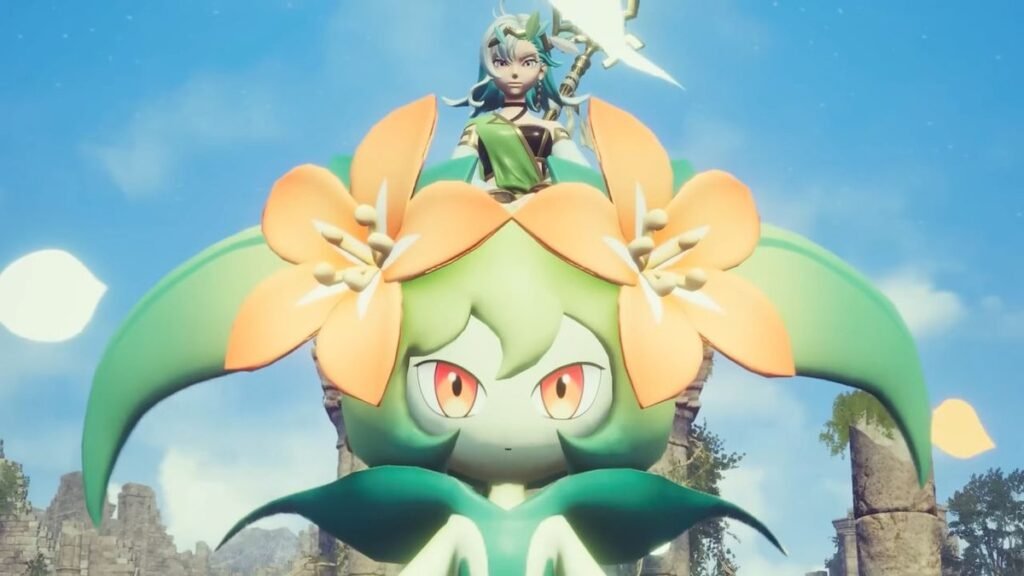
The head of communications at Pocketpair believes Steam's early access program has fundamentally shifted away from its original intent, with players now treating work-in-progress titles as finished products rather than collaborative development experiences.
John Buckley, communications and publishing lead at the studio behind Palworld, raised these concerns as the game transitioned from early access to its full 1.0 release. While he stressed that Pocketpair remains committed to early access as a development model and would use it again for future projects, he expressed worry about how the program has evolved on Steam.
Buckley traced the shift back to Steam's transition from its Greenlight system to early access. During the early years of that changeover, he explained, the program functioned as intended. Players who purchased early access games understood they were buying unfinished products and actively wanted to participate in development by providing feedback and engaging with developers. That era, he suggested, represented an ideal state for the model.
However, the influx of casual and live-service gaming culture from mobile platforms has reshaped player attitudes toward early access titles. According to Buckley, many buyers now approach these games identically to how they would a fully released title, with little awareness or acceptance of their work-in-progress status. This shift has created friction, particularly when players expect constant content updates and become frustrated during development downtime. Buckley noted that Palworld players sometimes purchase the game, play intensively for a week or two, then complain that developers have abandoned the project—failing to recognize that the team is still actively building the game.
Buckley acknowledged that not all players care about understanding game development processes and said there is nothing wrong with that perspective. However, he suggested that raising general awareness about how games are made could benefit both developers and players. He emphasized that Pocketpair attempts to manage expectations through transparency, informing the community about upcoming updates and whether they will focus on new content or quality-of-life improvements.
The challenges are particularly acute on console platforms, where players are less familiar with early access as a concept. PC gamers, by contrast, tend to provide extensive feedback and bug reports, making them more aligned with the collaborative spirit early access was designed to foster. Buckley indicated that education and transparency are the primary tools available to developers navigating this cultural shift.
Pocketpair has previously used early access for Craftopia, its survival game predecessor, which is approaching its own full release. Despite the challenges Buckley outlined, the studio remains a strong advocate for the model. However, he acknowledged that early access has been misused by some developers as a funding mechanism to bypass traditional investment routes, essentially replacing crowdfunding platforms. The program has become a way for some studios to release incomplete games primarily to generate revenue rather than to genuinely develop with community input.
Looking ahead, Buckley has been managing expectations for Palworld's upcoming 1.1 update, clarifying that while development will continue, players should not anticipate another major overhaul comparable to the game's initial release. He has also indicated that a Palworld 2.0 is not off the table, though fans should not expect the kind of decade-long support model that No Man's Sky has received.