Shift Up Delays Project Spirit Reveal to 2027
 James Whitfield
3 min read
South Korean game developer Shift Up has pushed back the official reveal of its upcoming flagship title Project Spirit into 2027, moving away from its original plan to announce the game before the end of 2026.
In financial results released November 10, the studio cited the crowded release schedule of major titles from competing publishers in late 2026 and early 2027 as the reason for the delay. By waiting for a clearer window, Shift Up aims to present Project Spirit's distinctive world and gameplay mechanics with maximum impact and global attention. The company stated that specific timing for the announcement will be confirmed and shared once finalized.
Project Spirit represents Shift Up's next major project following the success of action titles like Stellar Blade. The developer emphasized that work on the game is progressing smoothly in partnership with an undisclosed collaborator, and the team recently completed a positive evaluation of a development build. Despite the delayed reveal, the studio reiterated its commitment to delivering a product that competes at the highest level with established global franchises in its genre.
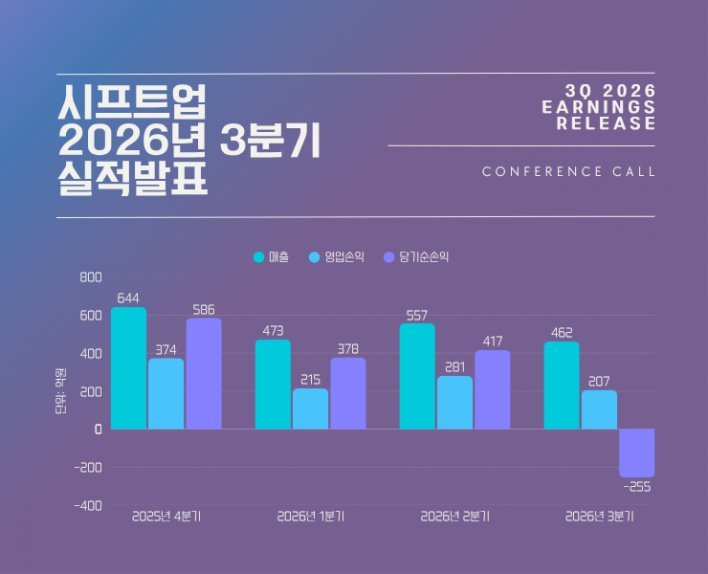
Shift Up's Q3 2026 financial performance reflected broader challenges across its portfolio. Total revenue reached 46.2 billion won, representing a 38.8 percent decline year-over-year and a 17.1 percent drop from the previous quarter. Operating profit fell to 20.7 billion won, down 58.2 percent annually, and the company recorded a net loss of 25.5 billion won for the quarter—a significant swing from profitability. The studio attributed much of this decline to foreign currency losses totaling 53.7 billion won, stemming from unfavorable exchange rate movements.
GODDESS OF VICTORY: NIKKE, the studio's flagship live-service title, generated approximately 35.3 billion won in Q3 revenue, down 18.4 percent from the previous quarter and 20.6 percent year-over-year. The decline reflected natural fluctuations between major content updates; Q3 featured summer events, a collaboration with the Persona series, and a bunny-themed event, while the prior quarter had hosted a larger 3.5-anniversary celebration. However, the game rebounded strongly following its 4th-anniversary update on October 29, which introduced significant story developments, new cutscenes, and original music. The update immediately reached the top revenue position in South Korea and Japan. Looking ahead, Shift Up plans to gradually introduce features enhancing player immersion, including narrative-focused cinematics and expanded use of chibi-style character designs, while shifting focus toward original NIKKE content over external collaborations.
Stellar Blade continued its trajectory as a long-term seller across PC and console platforms. Q3 revenue declined 32.9 percent from the previous quarter as sales on existing platforms stabilized at baseline levels. The game's expansion to Nintendo Switch 2 launched globally on November 6 and has met internal sales expectations. The studio demonstrated the Switch 2 version at Tokyo Game Show 2026 in September and included a free Bayonetta collaboration outfit across all platforms to sustain momentum. Development of Stellar Blade: Blood Rain, the announced sequel, remains on track according to internal milestones. An in-game trailer released in June accumulated 1.78 million views by late October, indicating sustained global interest. The studio also highlighted a recent visit from musician The Weeknd to its Seoul headquarters, where he toured development facilities and tested an in-progress build, underscoring Stellar Blade's growing cultural footprint beyond gaming.
Shift Up's diversification into intellectual property licensing generated 5.0 billion won in Q3 other revenue, up 37.1 percent quarterly and 48.7 percent year-over-year. The NIKKE IP business has expanded from initial merchandise and figures to include original soundtracks, trading card games, orchestral and band concerts, and pop-up retail experiences across Korea, Japan, and North America. Stellar Blade similarly contributed through TCG releases, music streaming, and brand collaborations. While IP revenue remains a smaller portion of total earnings, the studio plans to continue broadening this segment.
Operating expenses totaled 25.5 billion won in Q3, down 7.6 percent sequentially. Labor costs decreased 5.5 percent to 14.7 billion won as performance incentives tied to lower operating profit declined, though headcount grew to 460 employees by quarter-end, up 18 from the prior quarter. Variable costs fell 16.1 percent due to reduced platform commission fees on Stellar Blade sales. Shift Up expects Q4 expenses to rise due to planned headcount expansion, increased outsourced development spending for new projects, and marketing investments supporting the Switch 2 launch. The studio characterized these increases as strategic investments in new intellectual properties and building internal publishing capabilities for PC and console markets.