
Active noise cancellation: weighing the benefits and
 James Whitfield
2 min read
James Whitfield
2 min read
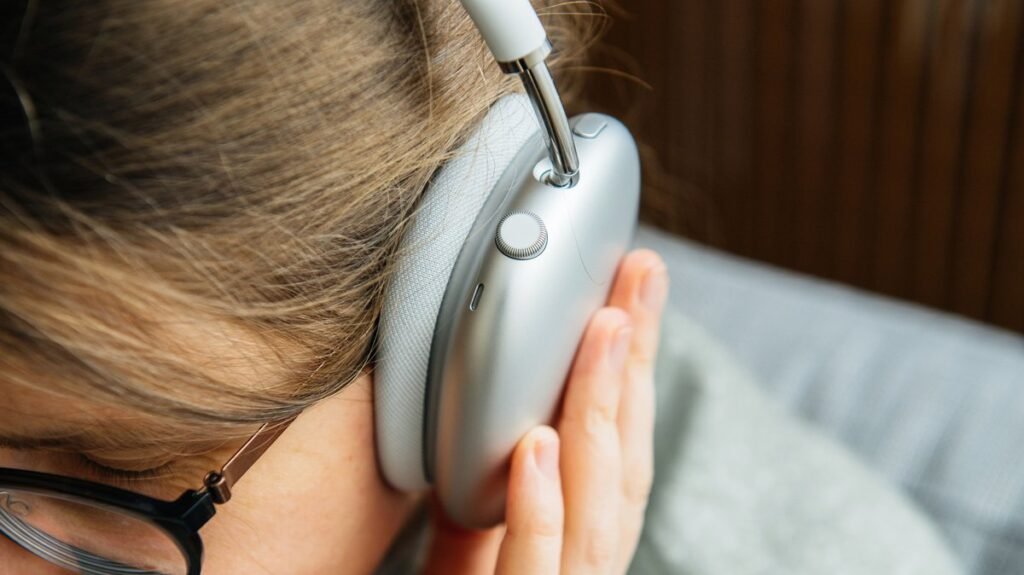
Active noise cancellation has become a standard feature in premium headphones and earbuds, offering users the ability to block out unwanted environmental sounds. However, the technology comes with both meaningful advantages and notable drawbacks that consumers should understand before relying on it as their primary listening mode.
Active noise cancellation operates through a sophisticated process rooted in wave physics. Microphones embedded in the headphones continuously monitor surrounding sounds—traffic, conversation, machinery—and capture their audio signatures. The system then generates an inverted sound wave that mirrors the incoming noise. When these opposing waves meet, they cancel each other through a phenomenon called destructive interference. This requires a powerful processor capable of performing these calculations in milliseconds; any delay would compromise the effect. This computational demand is why noise-cancelling headphones typically cost more than models relying solely on passive isolation, which depends on the physical barrier created by earcups or earbuds fitting snugly in the ear.
The advantages of active noise cancellation are substantial. Long journeys—particularly flights—become significantly more pleasant when ambient drone is eliminated. Because external noise is suppressed, listeners can enjoy audio at lower volumes, reducing the risk of hearing damage. Music and dialogue reveal greater detail without competing background sounds, and phone calls become clearer for both parties. Beyond entertainment, many users employ noise cancellation simply to create silence for concentration or relaxation, a benefit particularly valuable for people sensitive to environmental stimuli. Some individuals even wear noise-cancelling earbuds while sleeping.
However, active noise cancellation performs inconsistently across different sound profiles. It excels at suppressing steady, low-frequency noise such as airplane engines or air conditioning hums. Sudden, high-pitched sounds—car horns, shouting, alarms—slip through the system's defenses. Depending on the specific headphones, the feature can occasionally degrade audio fidelity, and some users report ear discomfort when the technology is active.
The isolation created by noise cancellation introduces safety and social complications. Blocking out environmental sound can impair awareness in situations demanding attention, such as crossing streets or cycling in traffic. Attempting conversation with nearby people becomes awkward and frustrating when wearing active noise cancellation. Emerging research suggests the technology may interfere with the brain's natural ability to filter background noise, though this remains an area of ongoing study.
To address these concerns, many modern headphones include transparency or ambient modes that blend noise cancellation with passthrough audio, allowing users to hear the world while still reducing unwanted sound. This hybrid approach provides flexibility for different contexts.
Another practical consideration is battery consumption. Active noise cancellation significantly accelerates battery drain compared to standard operation. Disabling the feature when not needed can extend a device's daily runtime, though many users consider the silence worth the reduced battery life.