Valve’s Steam Frame update boosts battery life by up to 12%
 James Whitfield
2 min read
James Whitfield
2 min read
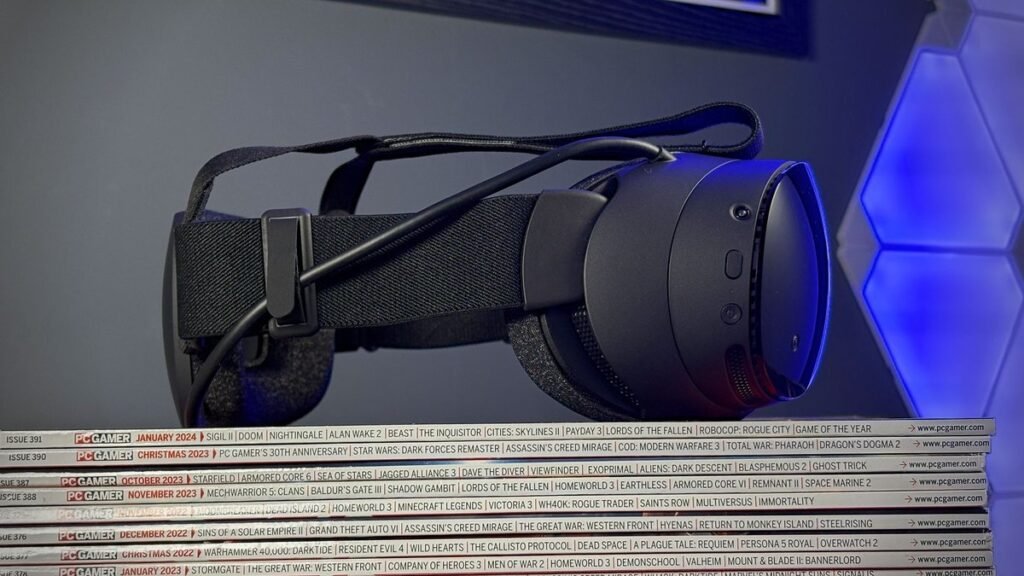
Valve has released a new update for SteamOS on the Steam Frame that delivers meaningful improvements to power efficiency alongside several bug fixes and accessibility enhancements.
The headline feature is a battery life improvement of up to 12%, which translates to roughly 15 additional minutes of usage on a device that typically runs for around two hours during streaming sessions. Valve notes that the actual gains depend on factors like framerate and the specific content being used, as well as the power settings selected by the user.
Beyond battery performance, the update addresses several technical issues that have affected the device. A bug that prevented controller bindings from loading for certain games—including Google Earth VR and Thumper—has been fixed. The update also improves how the headset handles interactions with grab and resize handles, and it includes additional refinements to VR streaming reliability, particularly targeting "Error 17" connection problems. Users on PC will need to opt into SteamVR version 2.18.2 or later to fully benefit from these streaming fixes.
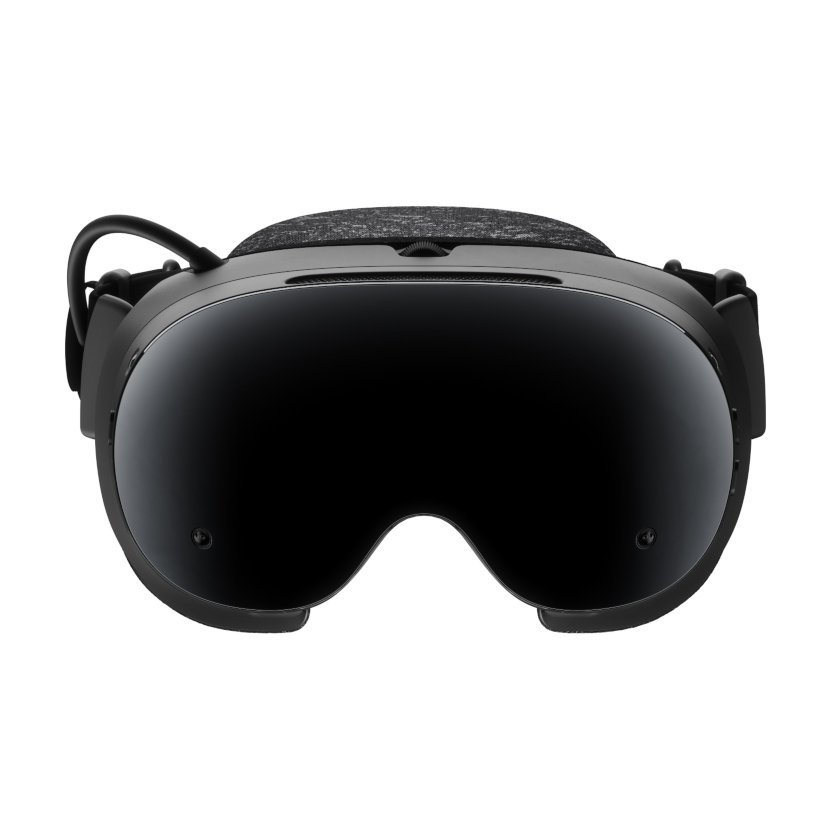
Valve has also resolved wireless adapter connectivity issues that impacted users in specific regions. On the accessibility front, the update introduces a new option allowing users to limit eye tracking to a single eye, available under VR Settings > General > Track Dominant Eye Only, though this requires enabling advanced settings first.
These improvements arrive as Valve continues to refine the Steam Frame experience. The company recently enhanced the device's charging capabilities, enabling fast charging even when the headset is powered off, which significantly reduces the time needed to reach a full battery.
The Steam Frame runs a custom version of SteamOS, Valve's Arch-based Linux distribution, adapted specifically for virtual reality and Arm-based processors. The current device uses Qualcomm's Snapdragon 8 Gen 3 chip. This represents Valve's broader effort to establish SteamOS on Arm architecture, potentially laying groundwork for future Arm-powered devices, though recent reports suggest the upcoming Steam Deck 2 will instead feature another AMD processor.