Intel plans new LGA1700 CPUs for early 2027
 James Whitfield
2 min read
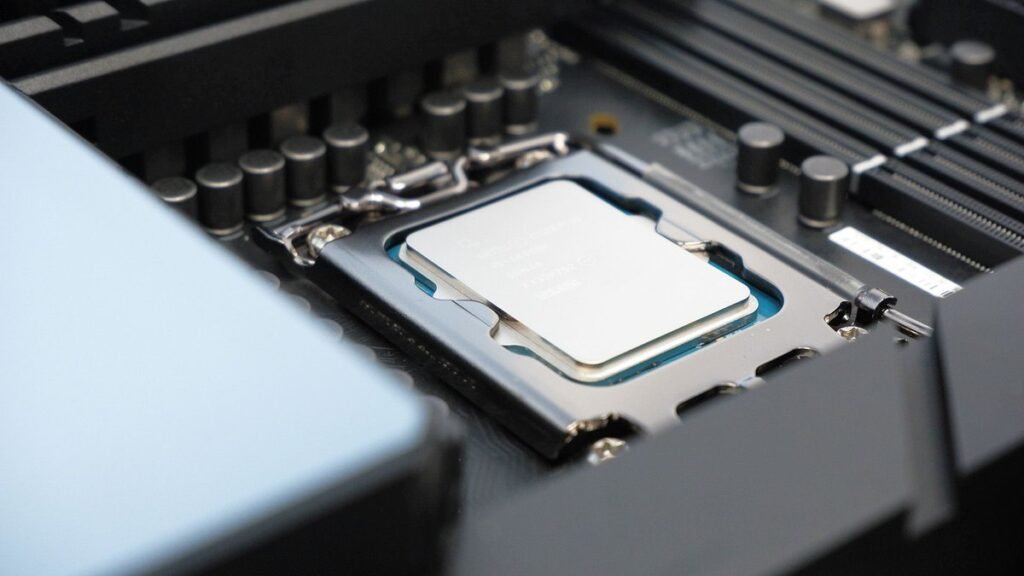
Intel is planning to release new processors on the LGA1700 socket in early 2027, according to Gigabyte's announcement. The move extends the lifespan of a platform that last saw major launches in 2023, bringing fresh variants of Raptor Lake and Arrow Lake architectures to existing motherboards.
Gigabyte confirmed it is preparing updated BIOS support for its B760 and H610 motherboards to accommodate the incoming processors. The company emphasized that users with existing boards will be able to upgrade by downloading a BIOS update and installing the new CPU without replacing their motherboard or rebuilding their system.
The strategy hinges on a critical advantage: these new chips will support DDR4 memory, which remains substantially cheaper than DDR5. Current pricing shows a significant gap between the two standards. A 32 GB DDR4-3600 kit costs around $210, while an equivalent DDR5-6000 kit runs approximately $480. Both memory types have experienced price increases, but DDR4 remains the more affordable option for budget-conscious builders.
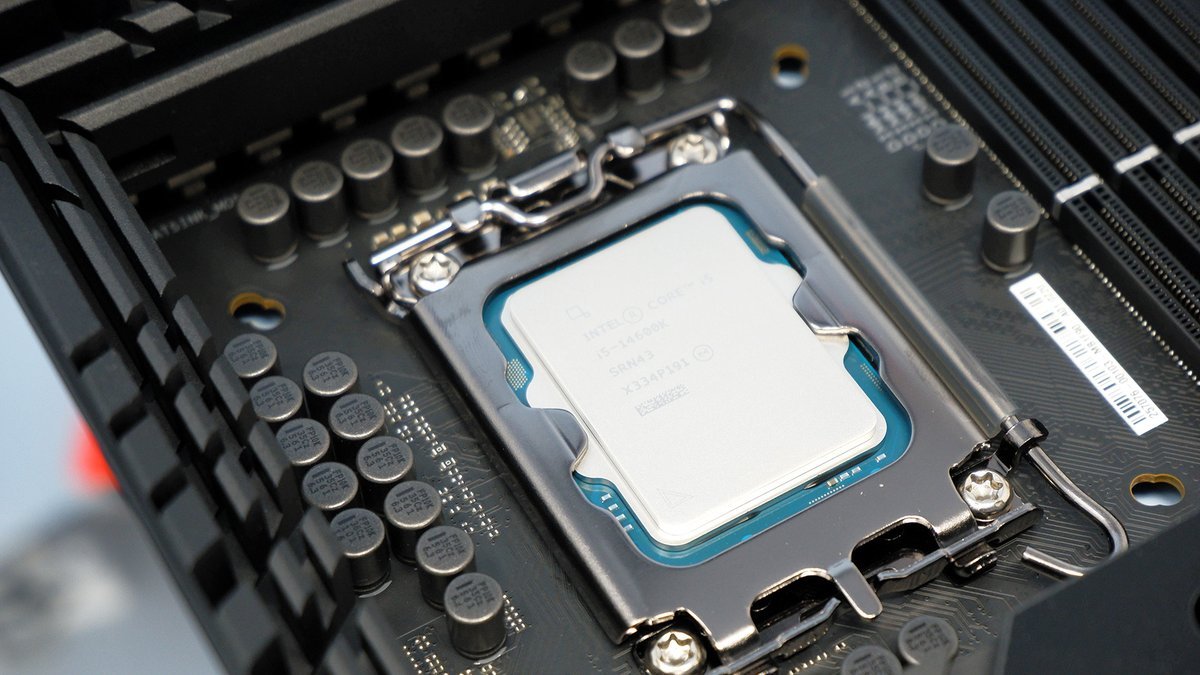
Intel has previously signaled its commitment to maintaining DDR4 support on the LGA1700 platform. An Intel executive stated in August that the socket would remain part of the company's product lineup for years to come, specifically citing continued demand for DDR4 compatibility. The company indicated that memory pricing would eventually stabilize and return to normal levels over time.
The LGA1700 socket's dual-memory compatibility creates a unique upgrade pathway. Depending on which motherboard a user selects, the same processor can work with either DDR4 or DDR5 memory controllers. This flexibility allows users to either stick with their existing DDR4 systems or migrate to DDR5 if desired, though DDR4 remains sufficient for gaming performance.
For consumers, the appeal is straightforward: older, more affordable processors paired with cheaper memory components. This combination targets budget-conscious builders and those seeking incremental upgrades without the expense of a complete system overhaul. Rather than jumping to entirely new platforms with higher costs, users with aging LGA1700 chips could potentially upgrade to newer processors at lower price points while maintaining their existing DDR4 memory infrastructure.
The announcement comes after two consecutive processor launches—Arrow Lake and its refresh—failed to significantly challenge AMD's dominance in the enthusiast market, particularly with its X3D chip lineup. By focusing on affordability and compatibility with existing systems, Intel appears to be targeting a different market segment than the high-end enthusiast space.