Nvidia Patent Aims to Help Devs Debug GPU Issues With AI
 James Whitfield
2 min read
James Whitfield
2 min read
Unoptimized PC games have become increasingly common, with stuttering shader compilation, frame rate drops during ray-traced sequences, and major releases struggling to maintain stable performance even on high-end hardware. The problem has grown more pressing as GPU availability tightens. Nvidia is now pursuing a potential solution through a newly published patent that would use artificial intelligence to help developers identify and fix performance issues more quickly.
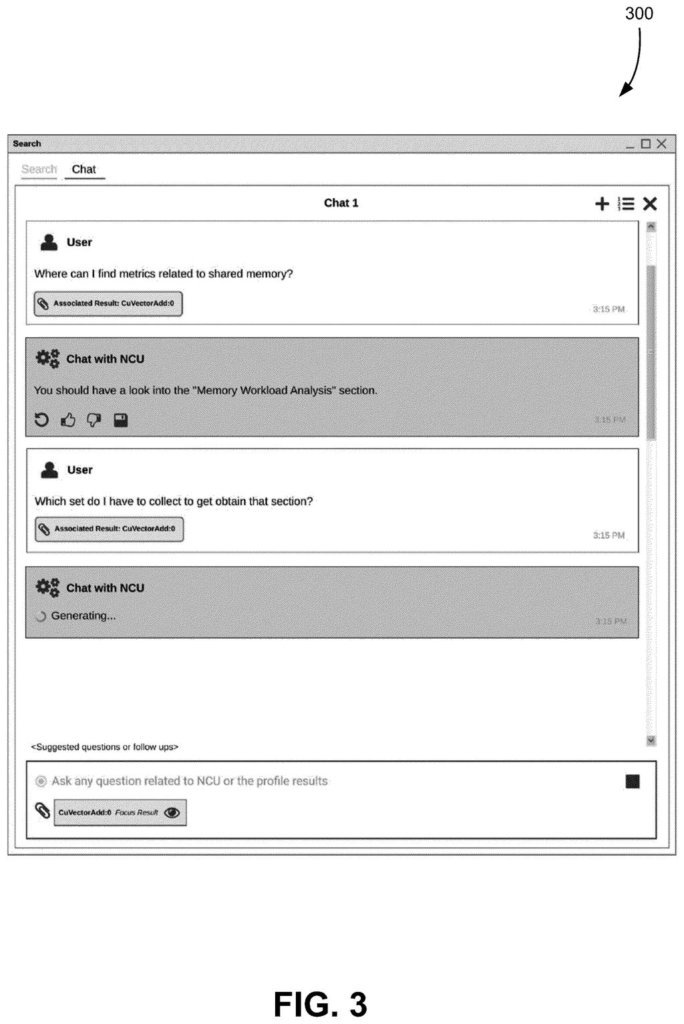
The patent (US 2026/0277953 A1) introduces a system allowing developers to ask questions about game performance in everyday language, with AI models automatically writing and executing custom diagnostic code to pinpoint the root cause. Rather than manually setting up profiling tools, developers could ask questions such as why frame times spike when ray-traced reflections appear on screen, which shader passes consume the most memory bandwidth, or what causes stuttering during camera transitions. The neural network would analyze these queries, reason through the graphics workload, and generate profiling code that runs directly on the GPU to collect hardware counters and diagnostic metrics.
The approach could significantly accelerate optimization cycles and lead to smoother game launches across the industry. Smaller development teams, in particular, might benefit from having an AI assistant handle complex profiling work that typically requires specialized expertise and manual tool configuration.
However, the concept carries substantial risks. AI-generated code can be unreliable, potentially containing bugs that damage GPU functionality or cause hardware failure. The patent documentation does not describe safeguards such as sandboxing, validation procedures, or correction mechanisms for the generated code. Before this technology becomes viable, Nvidia would need to implement robust guardrails and testing protocols to ensure the code is safe to execute on live hardware.
If properly implemented with adequate safety measures, this approach could represent one of the most significant advances in PC game optimization in recent years. The key difference between Nvidia's approach and similar efforts by other companies is that the diagnostic code executes on developer hardware rather than end-user systems. This means developers bear responsibility for validating the code before any optimization changes reach players, reducing the risk of widespread hardware damage. Sony has filed a comparable patent that pushes generated code directly to consumer devices, a far riskier proposition that could potentially brick PlayStation consoles on a global scale.
Nvidia's success with this technology will ultimately depend on whether the company can balance the convenience of AI-assisted debugging with the necessity of preventing faulty code from reaching production environments.