RTX Spark Laptops Start at $2,600, Peak at $7,000
 James Whitfield
3 min read
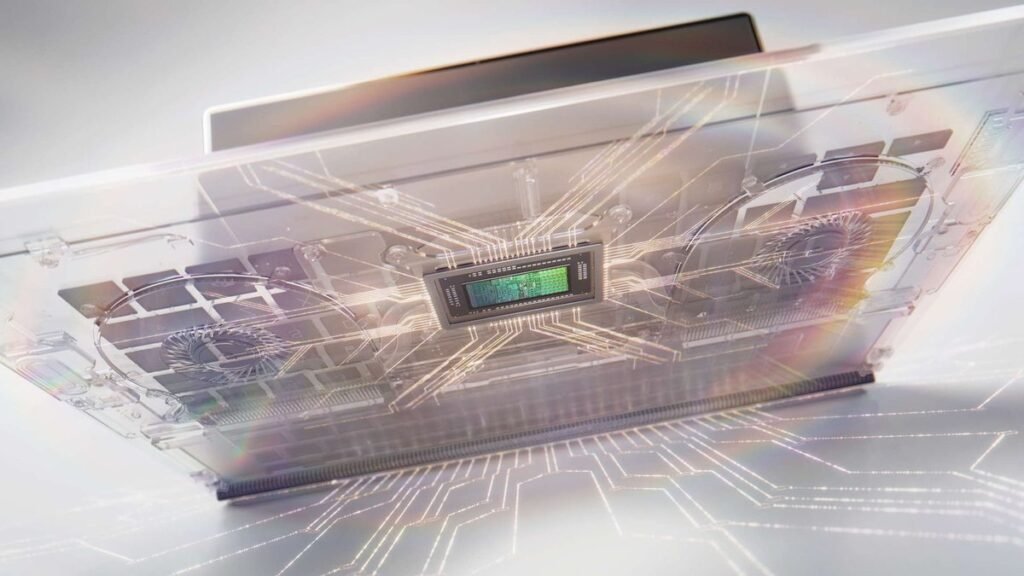
Nvidia's new line of RTX Spark laptops designed for local artificial intelligence processing will cost between $2,600 and $7,000, with pre-orders beginning immediately and general availability set for October 16, 2026.
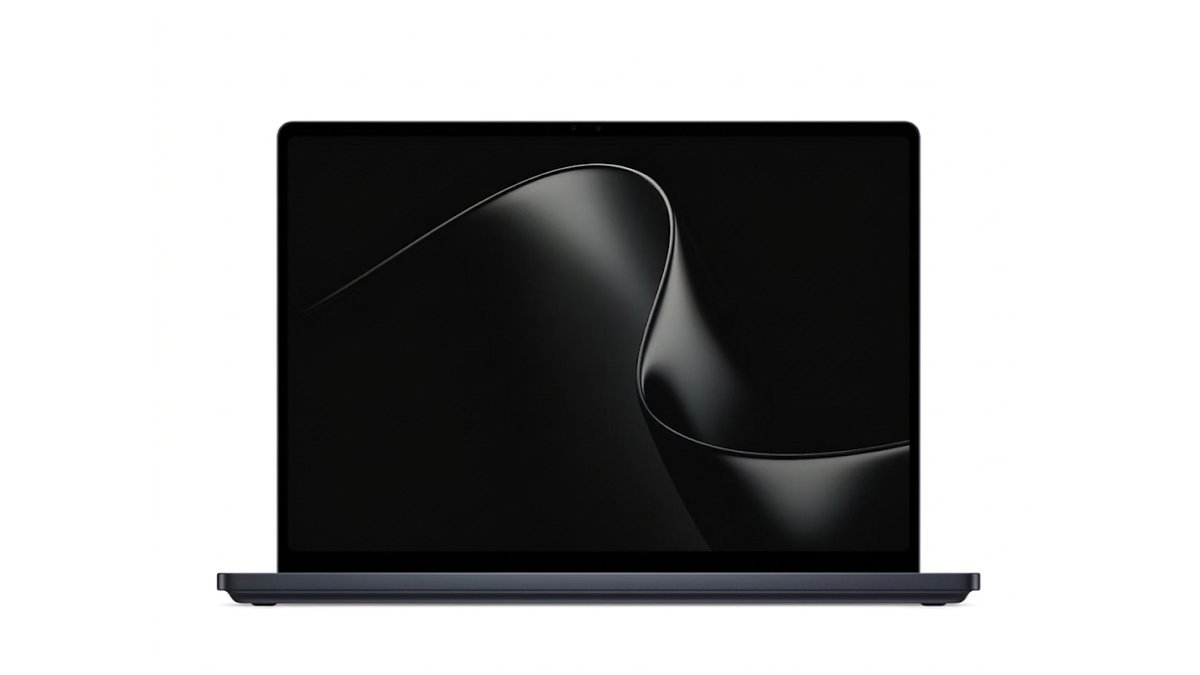
The machines represent a significant shift toward AI-focused computing, featuring Nvidia's N1X processors paired with substantial amounts of unified memory. Two processor variants are available: a 20-core configuration with 6,144 CUDA cores, and an 18-core version with 5,120 CUDA cores. Both use Arm-based architecture combined with Nvidia GPU components. The unified memory—shared between processor and graphics—ranges from 24 gigabytes on entry-level models up to 128 gigabytes on fully configured systems, though this memory is soldered directly to the motherboard and cannot be upgraded after purchase.
The most affordable option comes from Microsoft's Surface Ultra line, which starts at approximately $2,600 for a configuration pairing the 18-core N1X processor with 24 gigabytes of unified memory and a 512-gigabyte solid-state drive. However, this base specification raises questions about practical utility for serious AI work. Twenty-four gigabytes of shared memory may prove limiting for running cutting-edge local AI models, and the storage capacity restricts how many models users can maintain simultaneously. For comparison, a traditional laptop equipped with an RTX 5070 Ti graphics card and 16 gigabytes of dedicated RAM can be purchased for roughly $1,000 less, though it lacks the unified memory architecture these systems emphasize.
Mid-range configurations offer more compelling value propositions. The Asus ProArt P16 with 64 gigabytes of unified memory and a 2-terabyte drive costs $4,500, while Microsoft's 64-gigabyte Surface Ultra variant reaches $4,300. These specifications provide substantially more headroom for running advanced local models and storing multiple instances. A comparable Razer Blade 16 equipped with an RTX 5080 graphics card and 64 gigabytes of conventional RAM carries a $4,700 price tag, positioning RTX Spark systems competitively within the premium laptop market, though all remain expensive by historical standards.
The top-tier Asus ProArt P16 configuration, featuring 128 gigabytes of unified memory and a 2-terabyte drive, reaches $7,000. These price points reflect the current state of memory manufacturing, where artificial intelligence demand has constrained supply and driven up costs across the industry. The RTX Spark line arrives at a peculiar moment: the machines are specifically engineered to address AI processing needs, yet those same needs have made memory production expensive and difficult, pricing such systems beyond reach for most consumers.
Despite the cost concerns, the RTX Spark architecture introduces meaningful technical advantages. The unified memory model allows both processor and graphics components to access the same memory pool without copying data between separate systems, potentially improving efficiency for AI workloads. Gaming performance is expected to approximate RTX 5070-level capabilities, though the lower power budgets and limited memory bandwidth of the unified LPDDR5x memory may create constraints compared to discrete graphics cards. Nvidia has indicated gaming performance should remain consistent whether the laptop is plugged into power or running on battery.
The broader implications extend beyond individual device performance. Microsoft has discontinued the "On Arm" branding for its Arm-focused operating system, signaling mainstream acceptance of Arm architecture in consumer computing. The new Hybrid Intelligence toggle in Windows has the potential to shift artificial intelligence processing from cloud-based systems back to local machines, reducing datacenter load and potentially easing some aspects of the ongoing memory shortage. This shift could make these expensive first-generation devices appear more justifiable as the ecosystem matures and software optimization improves.
These laptops will be available through multiple manufacturers including Microsoft, Asus, Razer, and Lenovo. While the pricing presents a significant barrier to mainstream adoption, the RTX Spark line targets users already invested in artificial intelligence development and local model experimentation. As AI models become increasingly efficient at operating within memory constraints, the value proposition of these systems may strengthen, though the non-upgradeable memory specifications mean buyers must commit to their chosen configuration for the device's entire lifespan.