The Blood of Dawnwalker Review: Choice Within Constraints
 James Whitfield
4 min read
James Whitfield
4 min read
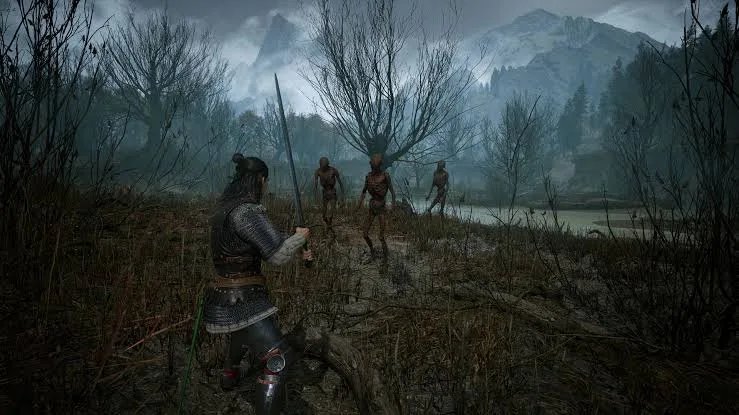
Rebel Wolves’ debut title The Blood of Dawnwalker presents an unconventional narrative structure: a protagonist who transforms between human and vampire depending on the time of day, set during the Black Death in Eastern Europe, with no traditional main quest line, no failure states, and a hard 30-day countdown. Rather than offering pure freedom, the game implements what it calls a “narrative sandbox”—the ability to choose which story threads to follow while remaining within a predetermined overall arc.
The core design philosophy prioritizes meaningful choice over action freedom. Players cannot reshape the fundamental story beats, but they can decide how to respond to them. The inciting incident—Coen’s family being taken by the villain Brencis—is fixed. What varies is the path the player takes to confront Brencis and attempt a rescue within the month-long deadline. This distinction separates Dawnwalker from typical open-world games that promise broad player agency.
The 30-day limit functions as both constraint and natural pacing mechanism. Quests consume specific amounts of time, and even exploration costs incremental hours. Counterintuitively, this tightness rarely feels punishing. Players can experience roughly 80-90% of available content within the timeframe if they make deliberate choices. The limit forces prioritization without creating artificial failure conditions—if you don’t save your family before time expires, the game doesn’t simply end. Instead, the objective shifts, and you still confront Brencis, though the circumstances differ.
The day-night cycle sits at the mechanical heart of this design. Coen exists in an incomplete vampiric state, human during daylight and vampire after dark. Crucially, individual quests function across both periods with different approaches. A single objective might require gathering library clues and favors from priests during the day, while the nighttime version involves scaling buildings and discovering secrets through vampire abilities. Both paths converge at the same endpoint, but the journey differs significantly. This dual-quest structure demanded substantial development effort—essentially building two versions of each major quest—yet the developers committed to it fully.
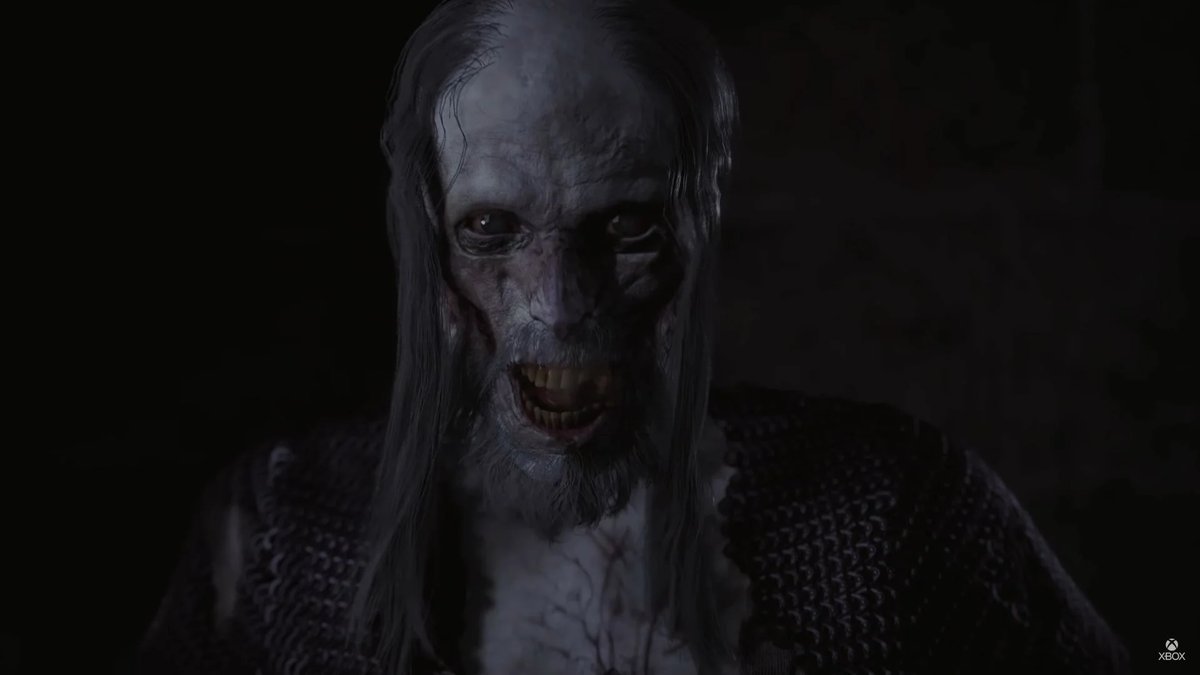
The world of Vale Sangora, though modest in scale, justifies its confined geography through narrative. Brencis’s followers control three territories radiating from a central town, with bridges and passages blocked by his influence. This deliberate limitation allows developers to pack more detailed content and interconnected storytelling into each zone. Locations accessible only at night or only in human form naturally guide players toward specific story beats tied to particular times of day, typically involving vampire characters or human allies.
Quests branch into roughly four major paths toward confronting Brencis: joining a human rebellion led by Crake, aligning with a vampire faction under Lacra, discovering a secret castle entrance, or being summoned directly by Brencis himself. Each route involves substantial moral dilemmas with no clearly correct answers. Characters hide secrets that affect player choices, and even protagonist Coen prioritizes saving his family above all else, creating situations where helping allies might conflict with personal goals. This moral ambiguity, informed by the narrative director’s previous work on major titles, ensures that accumulated choices feel consequential rather than cosmetic.
Combat employs directional parrying as its foundation. Players read enemy animations and time stick inputs to parry incoming attacks, which consume no stamina unlike offensive actions. This creates a rhythm of attack, parry, and skill usage. Three attack categories exist: basic directional strikes, weapon skills tied to specific arms, and magic or vampire abilities depending on time of day. Weapon skills fill through successful parries or hits, then unleash with combined button inputs, with animations varying by weapon and time period. Skills themselves must be learned through manuals found during exploration or purchased from NPCs, naturally rewarding players for engaging with the world.
Progression involves strategic resource allocation. Leveling up and learning skills consume time—a precious commodity with only 30 days available. Players must decide whether to pursue story quests or invest spare hours into becoming stronger. The active skill system further enforces choice: with four slots each for swordplay, magic, and vampire abilities, players cannot equip everything simultaneously. Some passive abilities require occupying an active slot to function, forcing genuine build decisions. Combat remains grounded in realistic medieval swordsmanship, which can appear understated compared to flashier action games, but the directional flow creates genuine tactical depth.
Enemy variety is limited by category—humans, goat-men, kobolds, mutant kobolds, wolves, lizards, and undead—though individual enemies within categories employ varied attack patterns and feints on higher difficulties. Fighting multiple enemies simultaneously can prove taxing, particularly on PS5’s “Normal” mode, which doesn’t maintain 60 frames per second. Faster enemies like wolf-type creatures require timing adjustment, and frame rate consistency affects input responsiveness more noticeably than in turn-based systems.
Technically, the review build suffered from occasional crashes, particularly during cutscene-to-gameplay transitions, which disrupted flow at critical moments. These issues appear likely to be addressed before retail release, though they represent the most significant flaw in an otherwise polished experience. Beyond stability concerns, the game delivers a cohesive, engaging experience from start to finish.
The Blood of Dawnwalker succeeds as an ambitious debut precisely because Rebel Wolves understood its own strengths and designed within realistic scope. Rather than attempting a vast open world, the team focused on what it does best: layered storytelling with genuine branching. The narrative sandbox concept, which could easily devolve into tangled scripts and broken logic, functions cleanly with individual quests overlapping naturally to deepen the world. Players carve their own path across interconnected story threads while remaining within the developers’ intentional constraints.

Coen’s 15th-century journey concludes here, with the narrative explicitly pointing toward his survival into the modern era and adventures beyond Vale Sangora. As a foundation for a larger franchise, Dawnwalker establishes both the character and the studio’s capability to deliver meaningful player choice within structured narratives. The game leaves confidence that future installments will expand on this framework with greater ambition and refinement.