
Xbox App Coming to TCL TVs, But Cloud Gaming Gets Time
 James Whitfield
2 min read
James Whitfield
2 min read
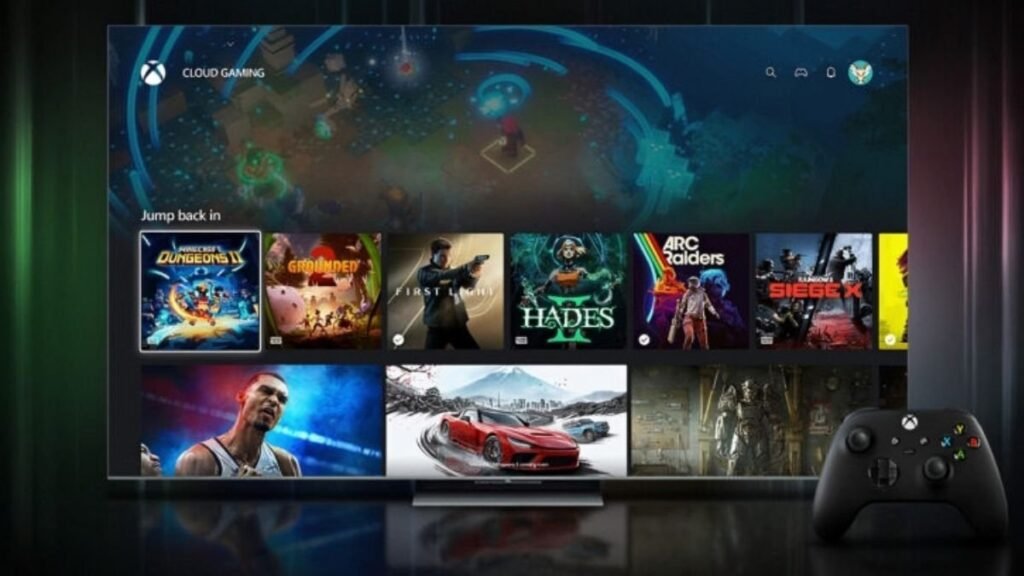
Microsoft is bringing Xbox gaming to TCL Smart TVs in a partnership that will roll out across more than 25 countries in the coming months, removing the need to purchase dedicated hardware. However, the convenience comes with a significant limitation: cloud gaming will operate under monthly hour restrictions beginning in November 2026.
The expansion allows owners of compatible TCL televisions to stream supported Xbox games directly to their sets using an Xbox controller and a Game Pass subscription or separately purchased cloud playtime. This approach addresses a core barrier to console adoption—the upfront cost of expensive hardware—while maintaining access to the broader Xbox ecosystem, including game libraries, save data, achievements, and friends lists.
Yet the partnership's appeal faces complications from incoming usage caps. Starting next November, Game Pass tiers will impose different monthly limits on cloud gaming sessions. Essential subscribers will receive 5 hours per month, Premium members will get 10 hours, and Ultimate subscribers will have access to 15 hours. Once players exhaust their allotted time, both subscribers and non-subscribers can purchase additional cloud gaming hours through the Xbox Store, though pricing has not been disclosed.
This structure transforms what initially appears as a hardware-free gaming solution into a potentially costly arrangement for heavy cloud users. Players who rely entirely on streaming rather than owning a console could face unexpected expenses once their monthly allowance runs out, depending on how Microsoft prices the extra hours.
The TCL partnership reflects Microsoft's broader strategy to diversify how people access Xbox content across multiple devices. The company has also introduced tools allowing players to convert physical Xbox game discs into digital versions, further emphasizing flexibility in how games are purchased and played.
While the partnership removes one barrier to entry, the introduction of time-based restrictions creates a new one. For casual gamers with modest monthly playtime, the arrangement may prove workable. For those seeking unlimited cloud gaming without console ownership, the model presents a different kind of constraint than hardware costs—one measured in minutes and dollars rather than upfront investment.