Witcher 3: How to Unlock the Bloody Baron’s Best Ending
 James Whitfield
3 min read
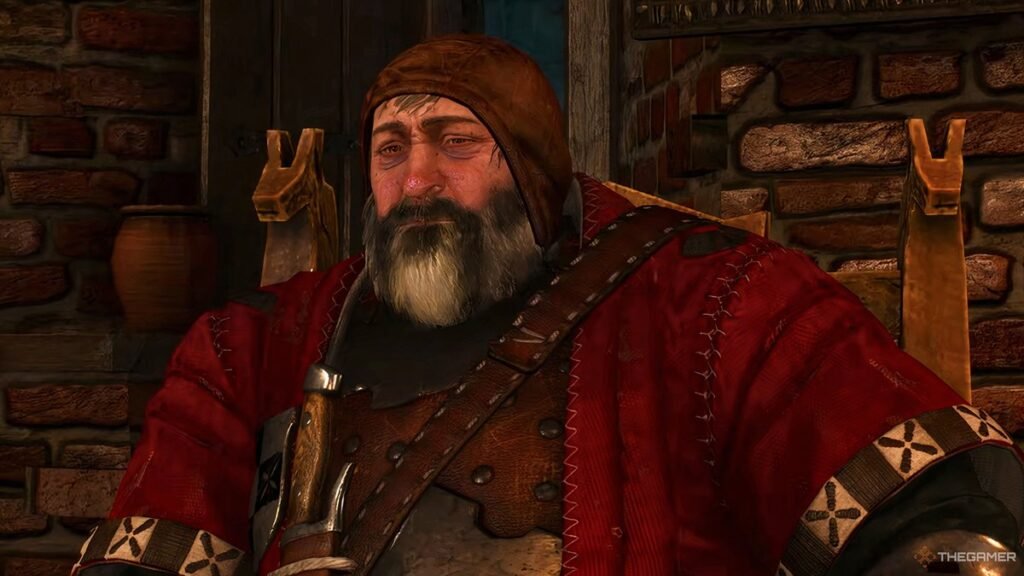
The Bloody Baron stands as one of The Witcher 3's most compelling characters, despite his morally questionable nature. Geralt encounters Phillip Strenger, known by his fearsome title, when directed to Crow's Perch in Velen during the search for Ciri. The Baron's fractured family relationships and tragic arc form the emotional core of his questline, which spans multiple missions beyond the initial encounter.
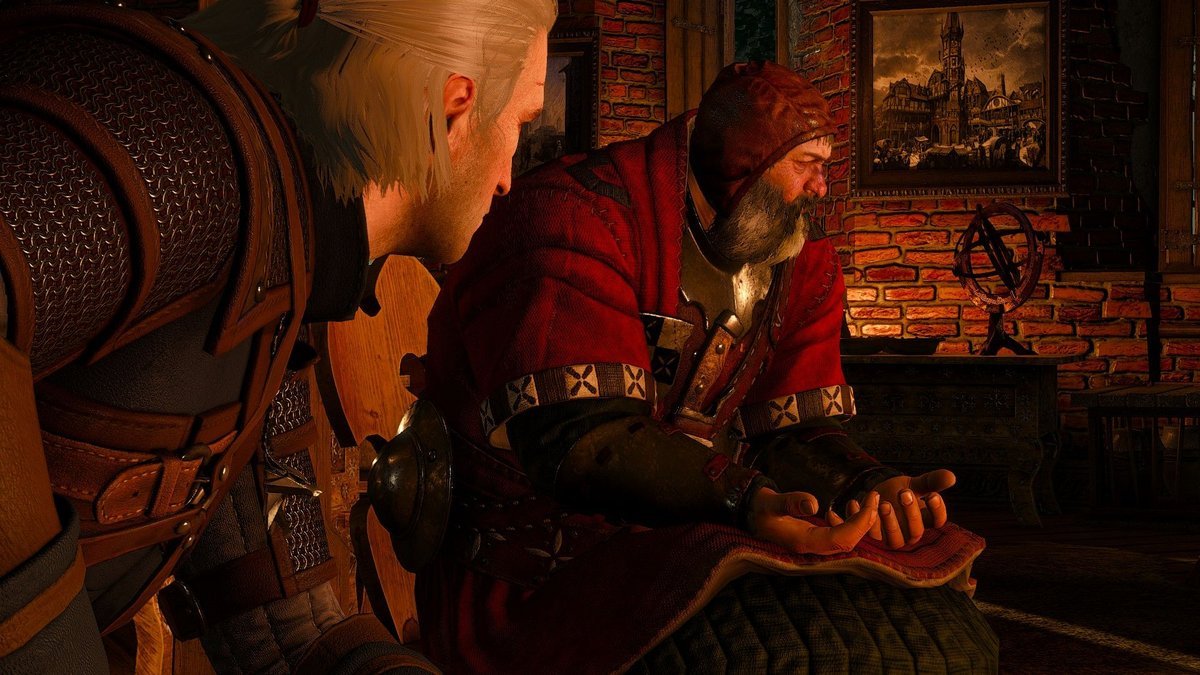
The Baron's story unfolds across two primary quests: "Family Matters" and "Return to Crookback Bog." Completing only the first quest leaves his tale unresolved. To experience the full narrative and unlock the different possible endings, players must progress through both quests while making specific choices throughout the game. The decisions made in earlier quests, particularly "The Nilfgaardian Connection," carry significant weight in determining how events unfold.
The initial approach to Crow's Perch depends on how Geralt handled the previous quest. If the witcher avoided killing the Baron's soldiers, the guards allow peaceful entry and the quest progresses smoothly. However, if violence occurred, guards become hostile and players must locate the Baron among the commotion. An old man at the location offers information about a nearby shrine for 15 crowns. Accepting this donation provides precise coordinates to a cave containing a water hag and ultimately leads to meeting the Baron, though taking longer than the peaceful route.
The most significant decision affecting the Baron's fate occurs during "The Whispering Hillock," where Geralt must choose between freeing or killing a ghostly spirit trapped in an ancient tree. This choice fundamentally shapes which ending players receive. Interestingly, there exists a workaround: completing "The Whispering Hillock" before it appears in the main questline by visiting the Ancient Oak southeast of the orphans' location allows players to free the spirit while still achieving the Baron's best ending, though this requires specific timing and knowledge.
The optimal ending for the Baron sees both him and his wife Anna survive. This outcome requires killing the spirit during "The Whispering Hillock." When Geralt retrieves Anna from the Crones during "Return to Crookback Bog," she remains in a disturbed mental state but alive. The Baron, displaying determination despite her condition, decides to take Anna to a hermit in the Blue Mountains for treatment. After Tamara agrees to let them depart, the Baron escorts his wife away from Crow's Perch. Returning to the now-leaderless stronghold reveals how the Baron's absence has corrupted his followers, though the location remains relatively prosperous compared to surrounding war-torn regions. This ending is widely considered the best outcome for the Baron's story, though some players question whether the cost—the orphans' sacrifice and Anna's psychological damage—justifies the survival of both characters.
Alternatively, freeing the spirit during "The Whispering Hillock" guarantees the Baron's death. When Geralt returns to retrieve Anna, she has been transformed into a water hag by the Crones as punishment. A helpful creature named Johnny reveals the curse's origin. To restore Anna's human form, Geralt must identify and select the correct doll from four options the Crones created: one with a red bead, one with a bird feather, one with a human ear, and one with a violet hollyhock bloom. The correct choice is the doll bearing the violet hollyhock, Anna's favorite flower, which breaks the curse and allows her to reunite with her family.
Regardless of Anna's fate when the spirit is freed, the Baron's conclusion remains tragic. Upon returning to Crow's Perch to collect payment, Geralt discovers the Baron hanging from a tree in the courtyard. Overwhelmed by grief, regret, and alcohol, the Baron took his own life. His soldiers show little emotional response to his death, adding to the scene's bleakness. While undeniably sorrowful, some players view this ending as honorable, as it protects the orphans according to Anna's wishes and grants her a bittersweet resolution with her loved ones. Ultimately, none of the Baron's possible endings provides a truly satisfying conclusion—each carries moral weight and consequences that reflect the morally gray nature of The Witcher 3's storytelling.