Forever’s Divergent Paths: How WoW’s Major Villains Will
 James Whitfield
3 min read
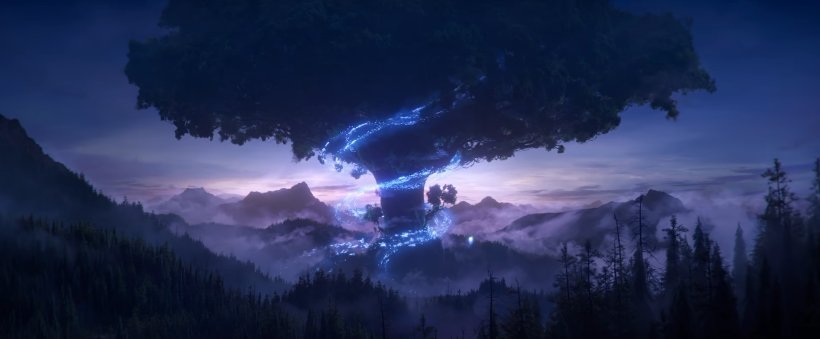
World of Warcraft: Forever arrives on November 5 with a fundamentally different narrative trajectory than the game's current live servers. By design, the developers have confined the universe to Azeroth, preventing expansion beyond the world through mechanisms like the Dark Portal. This decision opens the door for reimagined storylines involving some of the franchise's most iconic antagonists and complex characters.
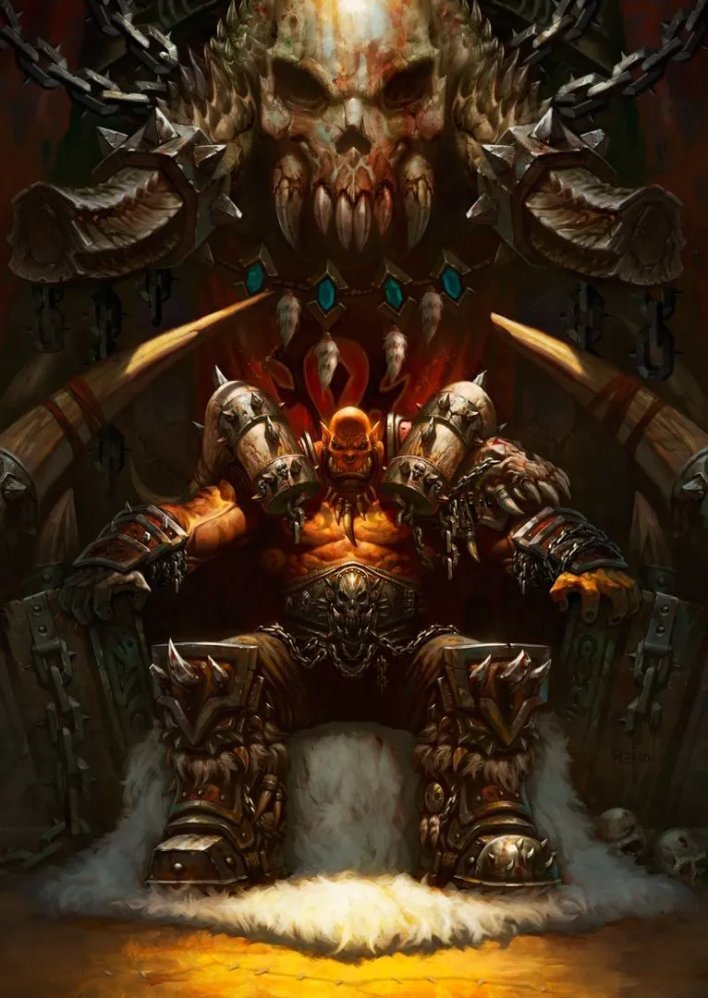
Garrosh Hellscream's arc in the current version of World of Warcraft remains controversial among players. Initially positioned as a legitimate successor to the Horde leadership through his lineage as Grommash Hellscream's son, he underwent character development during the Cataclysm expansion. Yet his sudden descent into war crimes and corruption during Mists of Pandaria disappointed many who felt he deserved a redemption arc similar to Alliance leader Anduin Wrynn's gradual maturation under his father's tutelage. Forever presents an opportunity to explore what a "true Warchief" version of Garrosh might accomplish, or whether he even ascends to that position at all.
Sylvanas Windrunner faces equally uncertain prospects in Forever. Her controversial "The Horde is nothing!" declaration during Battle for Azeroth and subsequent journey through the Shadowlands in pursuit of Arthas will not occur in this alternate timeline. Instead, her narrative will likely center on her original vendetta against Arthas and the survival of the Forsaken faction. The introduction of Forsaken Paladins adds another layer of complexity. A dedicated questline exploring their lore could fundamentally reshape internal Forsaken dynamics, particularly given the faction's history of dangerous agendas pursued by groups like the Royal Apothecary Society and figures such as Varimathras. Paladins channeling the Light while enduring undeath could create ideological friction within the faction.
Arthas stands as perhaps the most likely returning villain. The developers have explicitly stated that established history—including Arthas's purge of Stratholme, Lordaeron's fall, and his transformation into the Lich King—remains canonical in Forever. The Scourge's reappearance seems virtually guaranteed, with Death Knights serving as undead warriors wielding death magic. The visual and thematic contrast between Death Knights and Forsaken Paladins promises compelling storytelling. Some fans speculate that rather than players traveling to Northrend to assault Icecrown Citadel as in the original game, Arthas and his forces—including the powerful mage Kel'Thuzad—might spread across Azeroth itself, forcing players into a defensive posture. The question of whether Bolvar Fordragon will again bear the burden of the Lich King throne remains unanswered.
Illidan Stormrage's fate becomes murkier without the Dark Portal's opening. His rivalry with Arthas, a central conflict in Warcraft III, may not materialize if he remains trapped in Outland without a compelling narrative reason to return to Azeroth. While alternate routes to Outland exist beyond the Dark Portal, Illidan's absence from the story seems increasingly plausible given the development team's stated intention to keep the narrative confined to the known world.
Deathwing presents an intriguing case. Unlike Arthas, he lacks a continuous storyline extending back to Warcraft III, appearing only briefly in Warcraft II. However, his popularity and thematic fit within Forever's scope make his return credible. The inclusion of Onyxia's Lair in the initial raid roster and references to King Varian's mysterious disappearance on Alcaz Island suggest groundwork for a Black Dragonflight conspiracy. While his Cataclysm-era landscape destruction seems unlikely to repeat, a direct confrontation with the dragon himself could replace the indirect battles players experienced in the original expansion.
Gilneas represents another potential divergence point. The developers have hinted at exploring pre-Cataclysm Gilneas, the human kingdom before the Worgen curse and Forsaken invasion forced its leadership into the Alliance. Intriguingly, they suggested that Gilneas might have reasons to welcome the Forsaken—a scenario completely divorced from established lore. Players might encounter Genn Greymane as a human leader opposing Worgen threats rather than as an Alliance stalwart.
Finally, the cosmic order itself may simplify in Forever. Recent live-server lore has complicated the Titans' role as unambiguous good, revealing through Dragonflight discoveries that they suppressed information about the Black Empire and manipulated mortal perception. In Forever's early Azeroth, the conflict between Titans protecting the world and Old Gods corrupting it could return to straightforward moral clarity. The Old Gods, whose power diminished after the introduction of the Void Lords, might reemerge as genuinely formidable threats rather than fragments of their former selves. This shift could allow the Titans and Dragon Aspects to face the Old Gods in their true power, offering players encounters with villains at their peak rather than diminished echoes.