
Civilization 7 September Update Redesigns Real Earth Map
 James Whitfield
2 min read
James Whitfield
2 min read

Firaxis has released the September update for Civilization 7, introducing a redesigned Real Earth map alongside significant diplomacy changes and new paid content. The update, version 1.5.0, arrived on September 15th and brings multiple quality-of-life improvements to the strategy game.
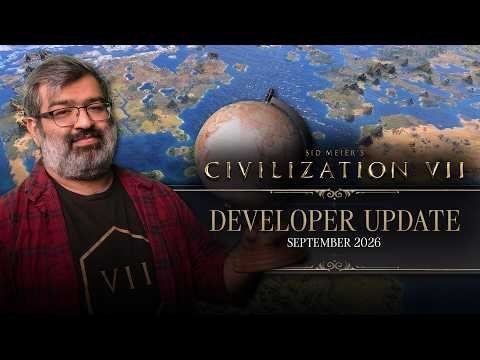
The centerpiece of this update is a revamped True Start Location Earth map, which allows players to begin their civilizations in their historically accurate real-world locations. The redesign includes several improvements aimed at creating more engaging gameplay. Certain regions have been enlarged to accommodate multiple civilizations—Japan and Hawaii receive particular attention in this regard. The map also now features navigable rivers, adding another layer of strategic depth to early exploration and settlement.
One of the most significant changes addresses a longstanding issue with previous Earth maps: vast stretches of empty terrain. The top and bottom of the map have been trimmed substantially, removing large swaths of tundra and ocean that, while geographically accurate, consumed valuable map space. This restructuring opens up the central regions, particularly around Europe, Persia, China, and North America, allowing for denser and more interesting gameplay in these historically significant areas. The map retains a recognizable northern tundra region, though considerably shortened from before.
Beyond the Earth map, the update applies the studio's Voronoi map generation algorithm to the Terra Incognita and Shuffle map types, promising greater variety in procedurally generated maps. The studio has also introduced the "radial ruler" interface overlay, which displays tile distances and helps players determine whether specific locations benefit from bonuses tied to buildings, wonders, or other features.
Diplomacy receives substantial attention in this update. Players can now spend influence points to avoid being automatically dragged into wars declared by their allies. However, the system prevents easy exploitation—allies will continue pressing their case, forcing players to repeatedly spend influence if they wish to remain neutral. If two allied civilizations go to war with each other, players must choose a side rather than remaining uninvolved. The developer also confirmed that additional diplomacy mechanics, including a liberation system that returns settlements to their original owners, are planned for future updates.
Alongside the free update, Firaxis released the Hall of History paid DLC collection. This expansion introduces two new leaders—Tudor Queen Elizabeth I and first US President George Washington—alongside three new civilizations: England, Babylon, and the Gauls.
The September update arrives as Firaxis prepares larger additions for the coming year. The studio has announced the Arc of Tomorrow update, scheduled for next year, which will introduce a new age focused on Cold War-era gameplay and arms races. Additionally, the paid Earthrise expansion will bring space-age content, including the ability to reach the moon. These announcements signal the developer's commitment to expanding Civilization 7's scope well into 2026.