
Clint Eastwood’s 1968 Western Classic Now Free on YouTube
 James Whitfield
3 min read
James Whitfield
3 min read
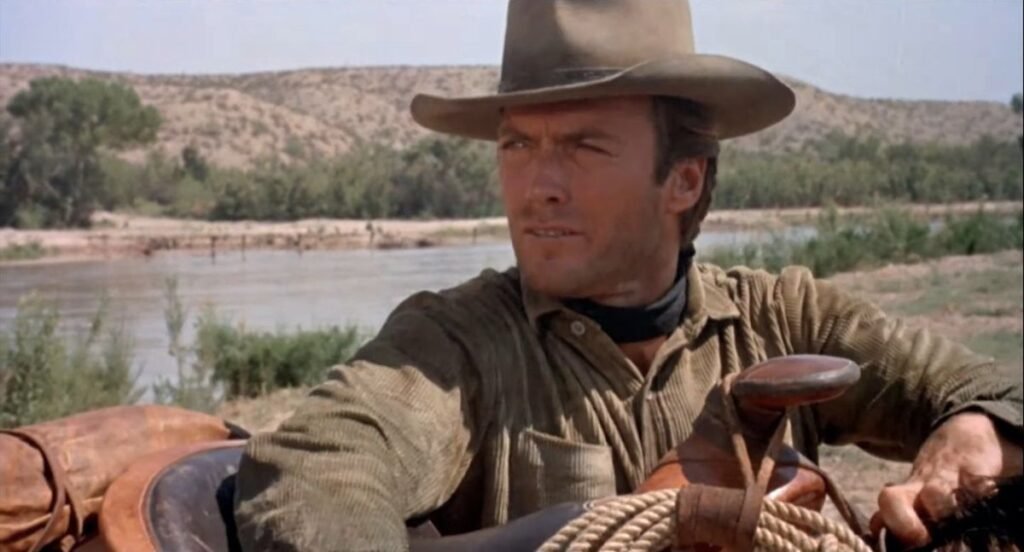
While Clint Eastwood's "Spaghetti Western" trilogy with director Sergio Leone remains his most celebrated work in the genre, a lesser-known 1968 film that followed those iconic roles deserves equal recognition. Hang 'Em High, now available to stream for free on YouTube, marked a pivotal moment in Eastwood's evolution as both an actor and filmmaker.
Released in 1968 and directed by Ted Post, Hang 'Em High was produced by Eastwood himself, representing his first major foray into controlling a film's creative direction. Having gained substantial star power from the Leone trilogy—comprising A Fistful of Dollars, For a Few Dollars More, and The Good, the Bad and the Ugly—Eastwood leveraged that influence to shape the project. He selected Post, a collaborator from his television work on Rawhide, and personally rewrote portions of the script to develop his character more fully. Though Eastwood would not direct his own film for several years, Hang 'Em High demonstrated his growing ambitions behind the camera.
The story unfolds in 1889 Oklahoma territory, before statehood. Eastwood's character, Jed Cooper, is an ex-lawman seeking a peaceful existence as a rancher. His plans are shattered when a posse arrives, falsely accuses him of murder and cattle theft, and executes him by hanging. Cooper miraculously survives the lynching and subsequently becomes a lawman again, working under Judge Fenton, portrayed by Pat Hingle. The narrative pivots on their eventual conflict as Cooper's quest for revenge collides with the judge's ruthless methods for establishing order in the territory.
What distinguishes Hang 'Em High from Eastwood's earlier work is its moral complexity. Rather than playing the enigmatic, mysterious "Man with No Name," Eastwood inhabits a more sympathetic and understandable protagonist. Cooper's brutality stems from genuine trauma, making his actions comprehensible even when harsh. Similarly, Judge Fenton transcends the archetype of a one-dimensional villain. Hingle's portrayal reveals a man genuinely committed to preparing Oklahoma for statehood and protecting its citizens, even if his methods are extreme. The judge's conviction that ruthlessness serves a greater good creates genuine philosophical tension rather than simple good-versus-evil conflict.
The film explores justice, morality, and the ambiguity of right and wrong without offering easy answers. Both protagonists possess understandable motivations rooted in their circumstances, forcing viewers to grapple with difficult questions about the cost of law and order. The violence is notably brutal for its era, with hanging sequences that underscore the film's unflinching approach to its subject matter.
Hang 'Em High proved instrumental in Eastwood's trajectory toward becoming a sophisticated filmmaker. It demonstrated to audiences that he could inhabit nuanced characters beyond his famous Leone persona. More significantly, it established the thematic foundation that would define his later directorial work: morally ambiguous narratives featuring complex characters navigating ethical gray areas. The film represents an early step on the path that would eventually lead to his acclaimed directorial achievements.
Despite its historical importance in Eastwood's career, Hang 'Em High has been overshadowed by the enduring popularity of the Leone trilogy. The film's current availability on YouTube provides an accessible opportunity to reassess this underappreciated Western and recognize its significance in shaping one of cinema's most influential careers.