Game Pass and PS Plus Hit by Cancellations Over Price Hikes
 James Whitfield
2 min read
James Whitfield
2 min read
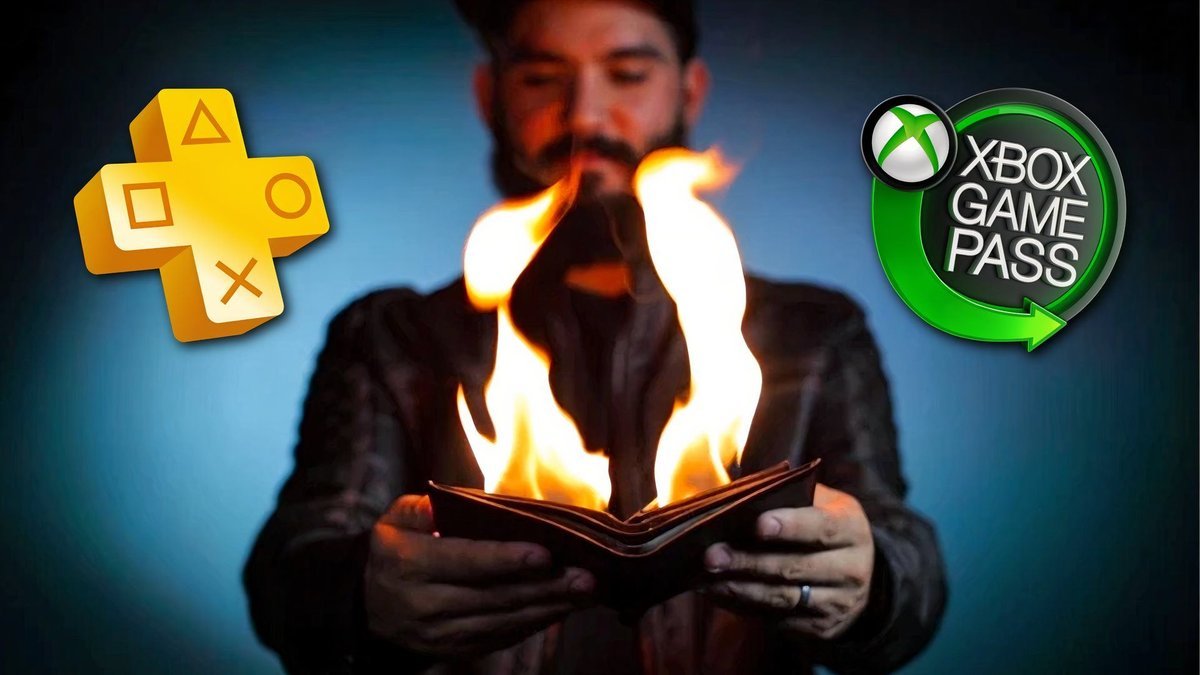
Premium gaming subscription services are experiencing a wave of cancellations as players worldwide reassess their spending priorities during economic uncertainty. New consumer research indicates that pricing concerns are driving the exodus, with companies facing pressure to demonstrate stronger value propositions or risk further subscriber losses.
According to a Circana survey, more than 40% of US gamers who terminated their subscriptions pointed to budget constraints and rising costs as the primary factor. As household expenses mount, players are increasingly questioning whether gaming subscriptions justify their place in monthly entertainment budgets, particularly when competing against other streaming and entertainment options.
Nintendo Switch Online showed the highest cancellation rate tied to cost concerns, with players expressing difficulty justifying the expense despite appreciating the service itself. This represents a 10% increase from earlier survey results. PlayStation Plus and Xbox Game Pass each saw approximately 40% of cancellations attributed to similar financial reasons. While the data does not indicate a dramatic spike in overall cancellations, the trend signals a significant concern for the three major console manufacturers as they evaluate pricing strategies.
Consumers are becoming more selective about subscription commitments, particularly when they use services sporadically. This shift has prompted some players to adopt "churning" strategies—subscribing for one or two months to access specific titles, then immediately canceling to avoid ongoing charges. Sony has attempted to counter this behavior by restricting access to monthly promotional games to active subscribers only, though other services have not implemented similar restrictions.
PlayStation Plus remains the most expensive option at $79.99 annually for its Essential tier, which includes access to 36 claimable games yearly plus a rotating library of first- and third-party titles. The service maintains roughly 50 million paying subscribers despite steady price increases, though many users report feeling the financial squeeze. Xbox Game Pass Core costs $74.99 annually and emphasizes day-one access to first-party titles including franchises like Halo and Doom. The service experienced significant subscriber losses following a major price increase last year, prompting leadership to reduce costs and experiment with dynamic pricing models to attract players back.
Nintendo Switch Online offers the lowest entry point at $19.99 annually but provides the most limited content library, featuring over 140 retro titles from Nintendo's back catalog. While the affordability appeals to budget-conscious gamers, players frequently request additional classic games that remain unavailable. Unlike its competitors, the service does not offer new releases or monthly promotional titles.
The disconnect between subscription costs and perceived value has become increasingly apparent. Even players who acknowledge enjoying their services are reconsidering whether the experience justifies the expense, particularly when monthly offerings fluctuate in quality. This consumer sentiment suggests that price reductions or enhanced content strategies may be necessary for subscription services to retain their user bases amid broader economic pressures.