GTA 6 Marketing Stunt Exposes UK Staff’s NBA Knowledge Gap
 James Whitfield
2 min read
James Whitfield
2 min read
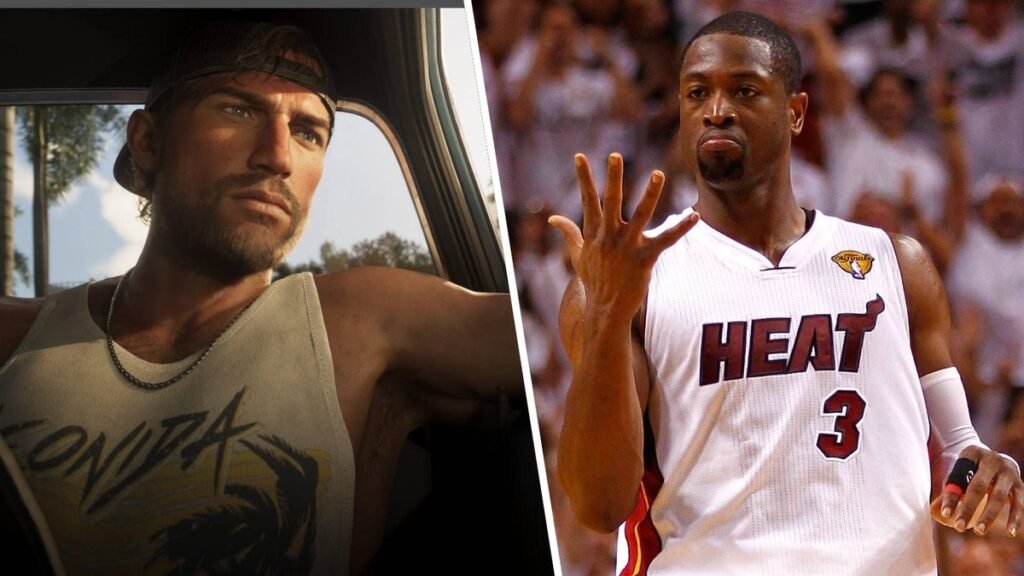
A marketing collaboration between Rockstar Games and the Miami Heat to promote Grand Theft Auto 6 became an unexpected office flashpoint when several PC Gamer staff members revealed they were unfamiliar with the NBA franchise.

The partnership, branded "A Night in Vice City," prompted an internal discussion about the campaign's effectiveness. The conversation took an unusual turn when online editor Fraser Brown expressed skepticism about the marketing value of a basketball team tie-in, noting that the strategy felt too niche. His reasoning, however, raised eyebrows among colleagues: he admitted he had to search for information about the Miami Heat to understand what the team was.
Brown's unfamiliarity with one of the NBA's most prominent franchises sparked a broader revelation. When the topic circulated through the office, additional UK-based staff members acknowledged similar gaps in their basketball knowledge. News writer Joshua Wolens, also based in England, admitted he too was uncertain about the Miami Heat's significance. Senior guides writer Sean Martin, another English staff member, asked directly what the Miami Heat actually was. Even former editor-in-chief Samuel Roberts, who had returned for freelance work, revealed he had only learned about the team hours earlier through the morning's discussion.
The pattern extended beyond just the Miami Heat. Brown noted he was aware of the Miami Dolphins, but only because of their appearance in the film Ace Ventura. Roberts mentioned familiarity with the Chicago Bulls, though his knowledge seemed to come from ambient exposure to American podcasts rather than active sports interest. When pressed on whether the Bulls' higher profile demonstrated basketball's global reach, the distinction highlighted how selective international awareness of NBA teams can be.
The discussion revealed an interesting divide in sports knowledge across the office. Colleagues from the United States offered context about the NBA's commercial scale and cultural significance. One staff member pointed out that NBA teams, as a category, command enormous valuations compared to other sports franchises globally. Another noted that the campaign's intent was less about converting dedicated sports fans and more about reaching casual consumers who might need motivation to upgrade their gaming hardware for GTA 6's release.
However, the revelation took an unexpected turn when Christopher Livingston, a senior editor who has lived in the United States his entire life and spent five years in Orlando, Florida, admitted he probably could not have identified the Miami Heat before the morning's events either. His admission suggested the knowledge gap extended beyond geographic or cultural boundaries.
The exchange highlighted broader questions about how marketing campaigns travel across international audiences. While the Miami Heat partnership might resonate strongly with American consumers familiar with the NBA, the office discussion suggested that even within English-speaking countries with significant American cultural exposure, professional basketball remains relatively niche. The campaign's effectiveness may ultimately depend on whether it reaches its intended demographic of casual gamers in markets where basketball holds stronger cultural prominence.