
HBO’s Lanterns Reimagines John Stewart’s Origin Story
 James Whitfield
3 min read
James Whitfield
3 min read
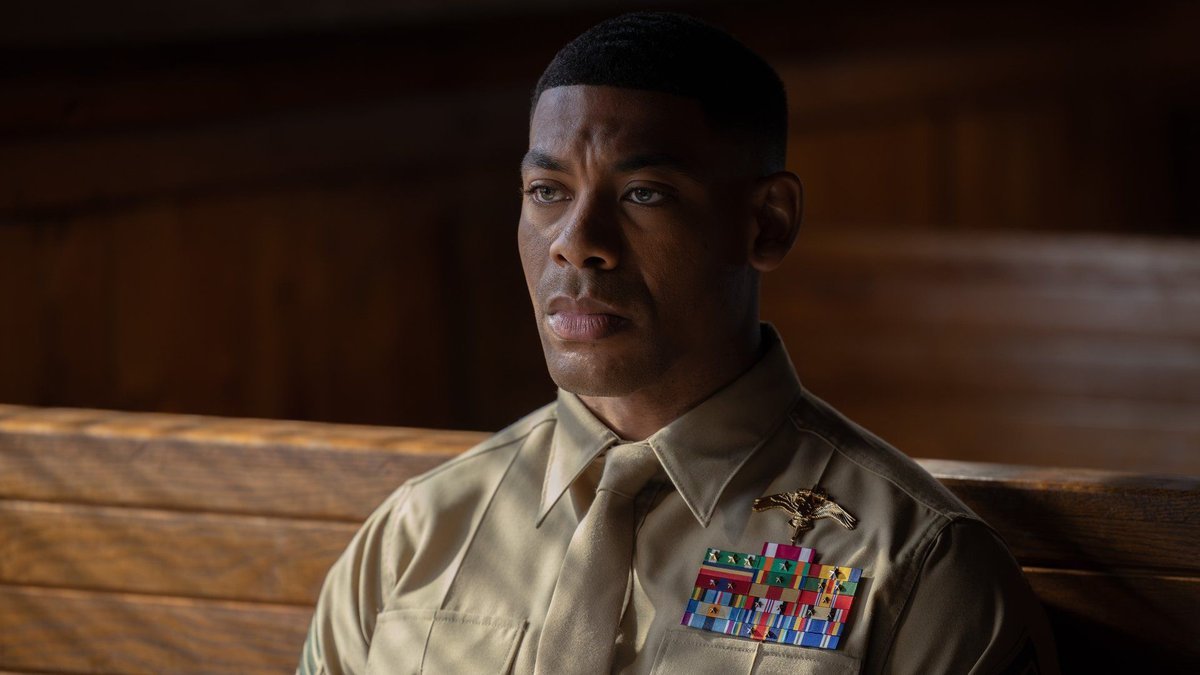
HBO's superhero series Lanterns has officially rewritten the backstory of John Stewart, one of DC's most iconic Green Lanterns, departing substantially from the character's comic book origins while maintaining the core themes that made him revolutionary.
In the comics, John Stewart debuted in 1972's Green Lantern issue #87, created by Dennis O'Neil and Neal Adams. At that time, Guy Gardner served as Earth's second Green Lantern. When an earthquake injured Guy, the Guardians of the Universe selected John to serve as Hal Jordan's backup, with Hal initially uncertain about the choice due to his own prejudices. The two eventually worked together to expose a corrupt politician, and Stewart eventually became the primary Green Lantern in the 1980s. Adams deliberately designed Stewart as a symbol of Black Power, giving him a dark skin tone and introducing him through a confrontation with police officers harassing other Black men. Notably, while Hal wore a domino mask, John refused to hide his identity.
The HBO series takes a radically different approach. Rather than being chosen as an adult, John's path to becoming a Green Lantern begins in infancy. According to the show's narrative, Hal Jordan received his ring after being asked a single question: whether he was afraid. John's father faced the same test but failed, traumatizing him. As compensation, one of the Guardians apologized to John's mother Bernadette and gave her a diamond, suggesting that if she raised John to be fearless, he might someday replace Hal. This sets the stage for John's parents to go to extreme lengths to mold their son into the perfect superhero.
The third episode, titled "OutKast" and written by Vanessa Baden Kelly, explores how an upwardly mobile Black family attempts to create a superhero that other young Black boys can look up to within a system that marginalizes them. Bernadette confronts the Guardian about the unfairness of asking a Black man in America whether he is afraid, highlighting how the premise itself carries different weight depending on one's identity and lived experience. John's parents prove willing to sacrifice their son's happiness and even risk their own lives to achieve their goal.
Lanterns co-creator Damon Lindelof explained during a press conference that the change drew inspiration from mythic superhero narratives centered on father-son relationships. He noted that while Superman's parents died on Krypton and Batman's parents were murdered, John and Hal's dynamic mirrors a complicated brotherhood where both characters process their own troubled relationships with their fathers. This connection becomes especially significant given that Hal views the villainous Sinestro as a father figure and still harbors affection for him.
Co-creator Tom King cited Neal Adams as a core inspiration for the show's approach, praising Adams as a rebel who challenged industry norms and insisted on addressing social issues through comics. King emphasized that John's refusal to conform to expectations mirrors Adams' own defiance, noting that the character represents someone unwilling to accept the world as given and willing to challenge existing hierarchies.
The episode ends with John explaining to Hal that humans love the people who raise them, regardless of circumstances. This observation applies equally to John's disturbing upbringing and Hal's relationship with his villainous mentor, suggesting that despite their rivalry over who deserves to wear the ring, the two share far more common ground than either would readily admit. The reimagining transforms John's origin from a simple selection by cosmic guardians into a complex exploration of ambition, identity, and the costs of pursuing greatness within systemic constraints.