
Mass Effect voice actors reflect on BioWare’s shutdown
 James Whitfield
3 min read
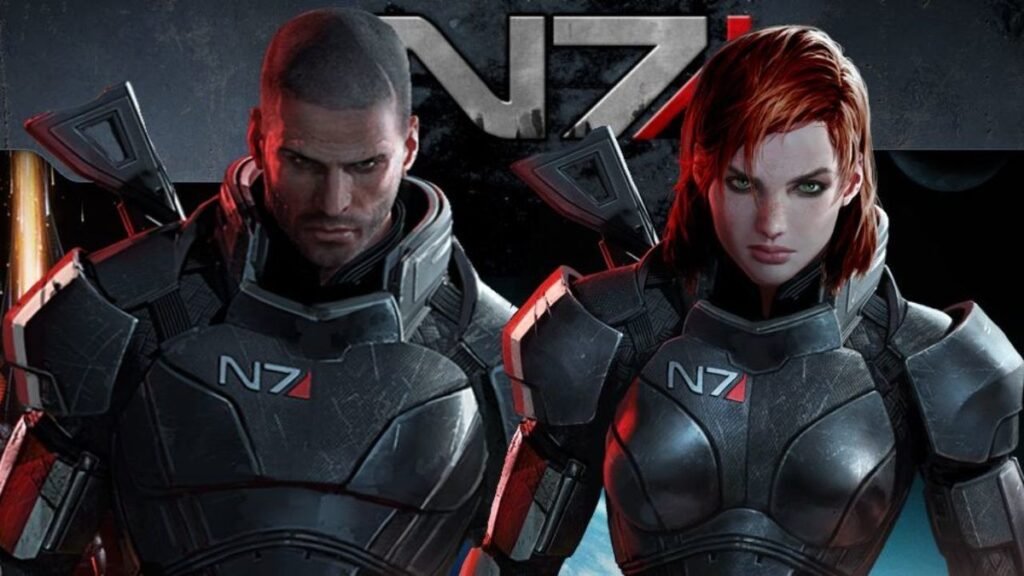
The actors who brought Commander Shepard to life have publicly mourned BioWare's shutdown, with both Jennifer Hale and Mark Meer offering reflections on what the studio's closure means for the industry, its workers, and the beloved Mass Effect franchise.
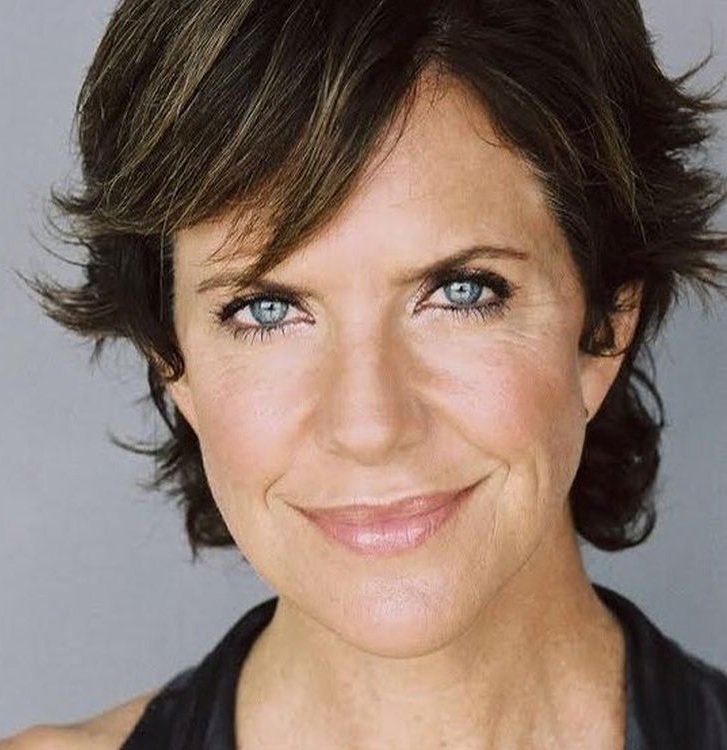
During an Instagram Live session on October 21, Hale and Meer addressed fans directly, each bringing their own perspective to the studio's demise. Hale, one of gaming's most prolific voice actors, focused her remarks on the broader structural issues within the industry and the role of ownership in BioWare's fate. She expressed particular concern for the employees who suddenly found themselves without work, calling them "beautiful team members who are looking for a new home." She reflected on how the studio ended up under ownership that may not have fully grasped what BioWare represented, suggesting that the current corporate structure prioritizes profit margins above creative vision.
Hale's comments touched on the wave of corporate consolidation sweeping through gaming, describing how major companies continue to absorb smaller studios into increasingly unwieldy corporate structures. She characterized these entities as "big blobs" that eventually implode under their own weight, driven by financial rather than creative motivations. Despite this bleak assessment, Hale expressed cautious optimism, suggesting that when these corporate structures collapse, the talented people and intellectual properties within them scatter into the world, potentially finding new homes where they can flourish. She even floated the idea of a community-driven crowdfunding effort to revive the franchise independently, though she acknowledged the speculative nature of such hopes.
Meer, who has deep roots in Edmonton's theater and improv community, approached the closure from a more localized perspective. He emphasized the significance of BioWare as an Edmonton institution, noting how the studio's presence elevated the city's standing within the gaming industry and meant a great deal to the local acting community. The closure, he suggested, represents a loss not just for the game industry broadly but specifically for Edmonton and Canada.
Meer acknowledged the distress among fans while emphasizing that the Mass Effect community itself remains a vital force. He pointed out that as long as fans continue to engage with the franchise through cosplay, fan art, and community celebrations, the series will endure in spirit. He committed to continuing to celebrate fan creations and announced plans to mark N7 Day, the annual Mass Effect celebration, this year despite the lack of corporate backing. Looking ahead, Meer highlighted that next year marks the 20th anniversary of the original Mass Effect's release, an milestone the community intends to commemorate even without official studio support.
Both actors' responses reflect their distinct backgrounds and concerns. Hale's analysis of industry consolidation and profit-driven decision-making speaks to her extensive experience across the gaming landscape, while Meer's focus on BioWare's local impact and the enduring fan community underscores his connection to Edmonton's creative scene. Their comments underscore a central truth that has resonated throughout the gaming community: the cultural and emotional value that BioWare's work holds for players cannot be erased by corporate decisions.
Hale's suggestion of a Kickstarter-style revival, while well-intentioned, faces significant practical obstacles. The costs associated with reviving a franchise of Mass Effect's scale would far exceed what crowdfunding has historically achieved in gaming. Even successful gaming crowdfunding campaigns like Pillars of Eternity and Wasteland 2 required substantial traditional investment to reach completion. The precedent of EA's treatment of the Ultima franchise—left dormant for over two decades—also illustrates how intellectual properties can fade from cultural prominence once they fall into the hands of corporations with little interest in stewarding them.
The path forward for Mass Effect and BioWare's other franchises remains uncertain. Any revival would likely require intervention from either another major publisher, a wealthy individual investor with genuine interest in the properties, or an unprecedented level of government involvement. Until such circumstances materialize, the franchise's future rests with the community that has kept it alive through fan creations, celebrations, and continued engagement with existing games.