
Saber Interactive shifts development away from North America
 James Whitfield
2 min read
James Whitfield
2 min read

Saber Interactive has shifted its game development operations away from North America, according to remarks made by the company's chief creative officer Tim Willits at Gamescom. While the publisher maintains its headquarters in the United States, Willits explained that actual game development now occurs exclusively through international subsidiaries, with only publishing functions remaining in North America. 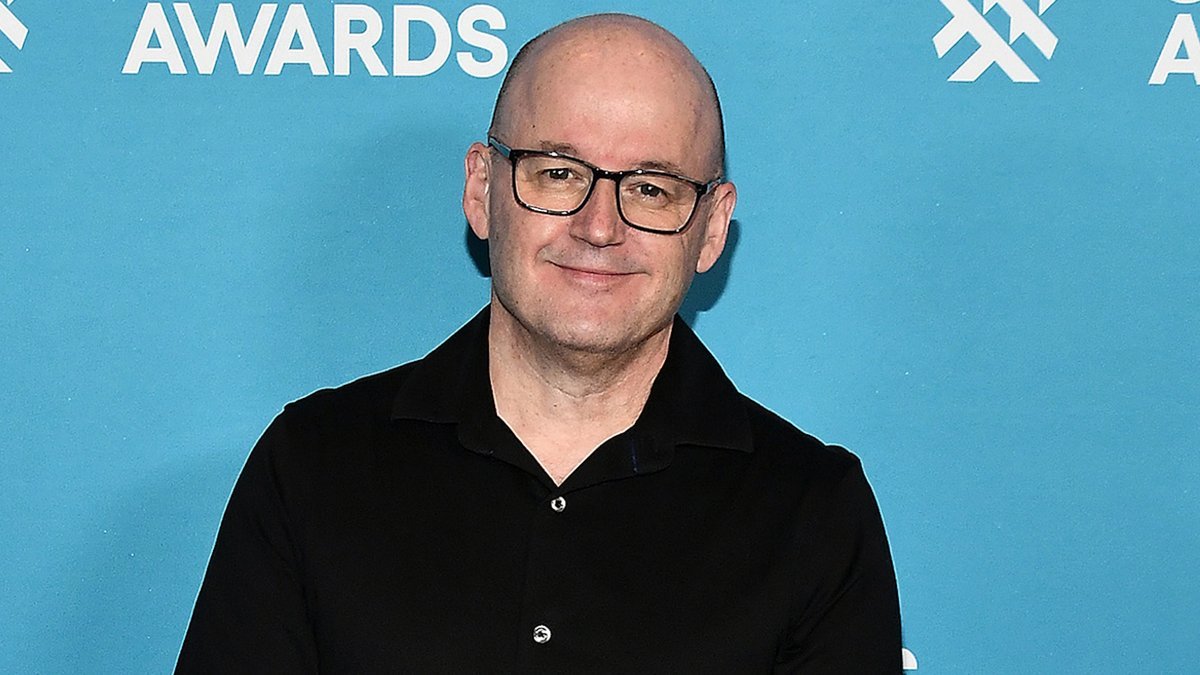 Willits emphasized that the company actively seeks talented developers regardless of geographic location, rejecting the notion that quality work requires a California-based studio. He argued that programming, art, and animation talent exists globally and that studios should not hesitate to work in unfamiliar territories if they can find skilled personnel willing to contribute.
The executive pointed to financial inefficiency in major triple-A productions as a key driver of the shift. He contrasted an unnamed recent release with Saber's Space Marine 2, claiming the latter cost roughly one-third as much while generating significantly higher sales. Willits highlighted the dramatic difference in operational expenses, noting that large North American development studios typically burn through $2 million or more monthly in salaries alone. He used Saber's own SnowRunner as a case study, explaining the game cost $6 million to produce—equivalent to just three months of payroll at a major California studio. For a typical five-year project at such a facility, he calculated total salary costs could reach $120 million. [IMG2] Saber maintains development offices across multiple continents, including locations in Serbia, Armenia, Georgia, Spain, Portugal, Sweden, Argentina, and Australia. This distributed model allows the company to access talent while managing expenses more effectively than traditional North American operations.
Willits also attributed some of the industry's current challenges to overspecialization among developers, though he suggested the crisis facing game studios may not be as severe as recent reporting suggests. His comments reflect broader industry concerns about the sustainability of triple-A game development in the United States under current cost structures, particularly as studios struggle with rising expenses and project delays.