
Spiritfarer Creator’s Next Game Stuns With Visual Beauty
 James Whitfield
2 min read
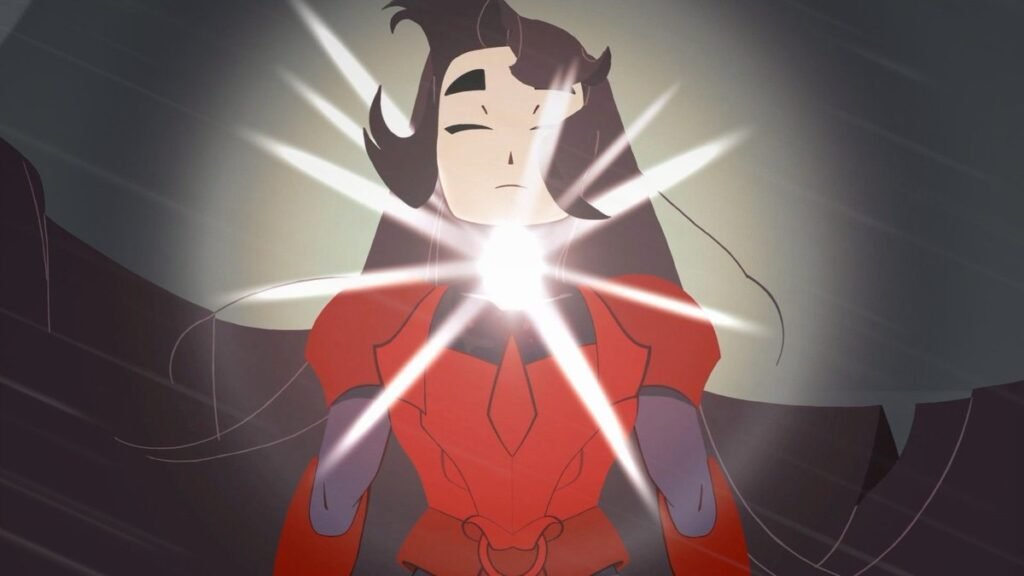
Thunder Lotus Games, the studio behind the acclaimed indie title Spiritfarer, is developing At Fate's End, a hybrid visual novel and action adventure that demonstrates exceptional artistic craftsmanship even in its early demo form.
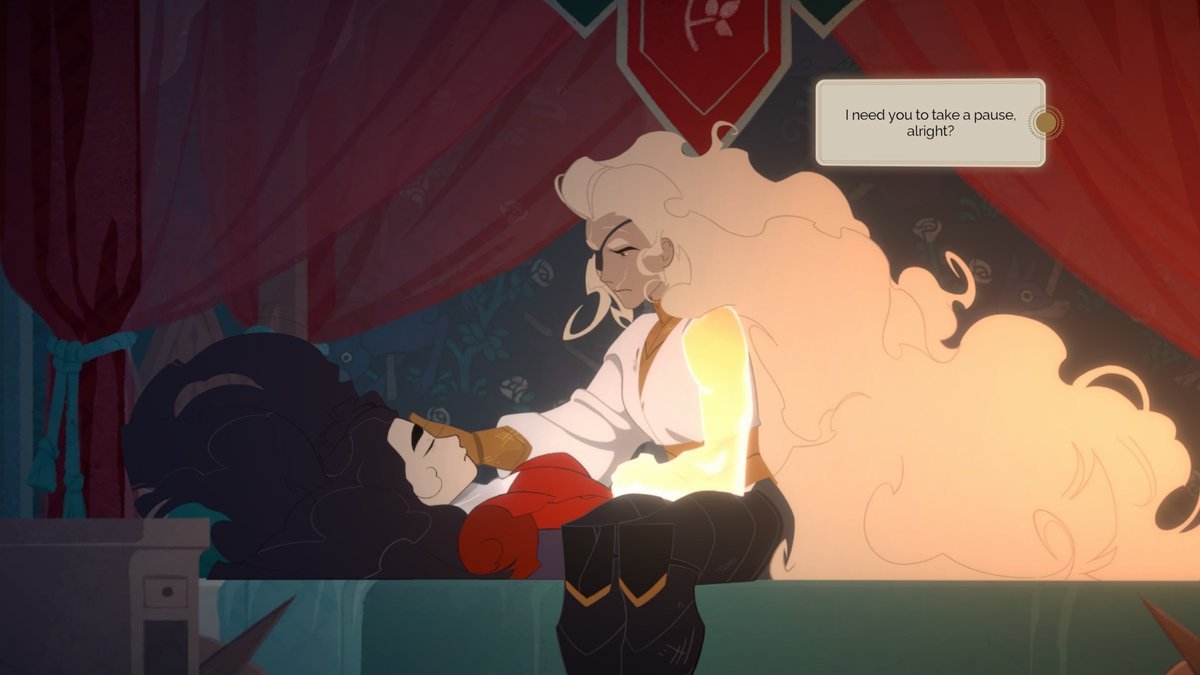
The game follows Shan Hemlock, a character designated as the Princess of Swords, who must gather magical blades belonging to her family members through combat or negotiation. Alongside her divine sword Aesus, she embarks on a journey to uncover the secrets of her lineage. The narrative structure alternates between exploration and conversation sequences reminiscent of visual novels, and action-oriented combat that draws mechanical inspiration from games like Hollow Knight: Silksong.
What immediately distinguishes At Fate's End is its visual presentation. The game employs hand-drawn animation with meticulous attention to detail—even minor character movements like Shan's momentum-carrying hair animation during idle states demonstrate the developers' commitment to polish. The aesthetic extends throughout the interface, with tarot-inspired card designs and stylized menus that maintain thematic consistency. Even the overworld map functions as visually striking artwork rather than a utilitarian screen.
Gameplay revolves around two interconnected systems. The combat loop emphasizes positioning and directional attacks, with special abilities unlocked through an Arcana energy meter. Players acquire ability cards inspired by encounters with Shan's siblings, each card offering dual functionality—for example, one sibling's card can provide either a dash or double-jump depending on player choice. A skill tree allows further customization and progression. Between combat encounters, players engage in exploration and dialogue that unlock additional cards.
The second gameplay pillar involves an insight system where players combine collected cards to draw conclusions about family members. Successfully completing these deductions can enable diplomatic resolution rather than combat, offering branching narrative paths. Miniature skirmishes scattered throughout the world serve as both story progression points and opportunities to earn skill points.
The integration of these systems creates a loop where combat encounters inform character understanding, which then opens dialogue options and alternative solutions. This design philosophy ties emotional storytelling directly to mechanical progression, creating cohesion between narrative and gameplay rather than treating them as separate elements.
At Fate's End is scheduled for release in 2027 across unspecified platforms. The game represents Thunder Lotus's next major project following their work on Spiritfarer, which earned recognition for its emotional storytelling and artistic presentation.



1 thought on “Spiritfarer Creator’s Next Game Stuns With Visual Beauty”