
Transport Fever 3 Features Over 294 Vehicles
 James Whitfield
2 min read
James Whitfield
2 min read
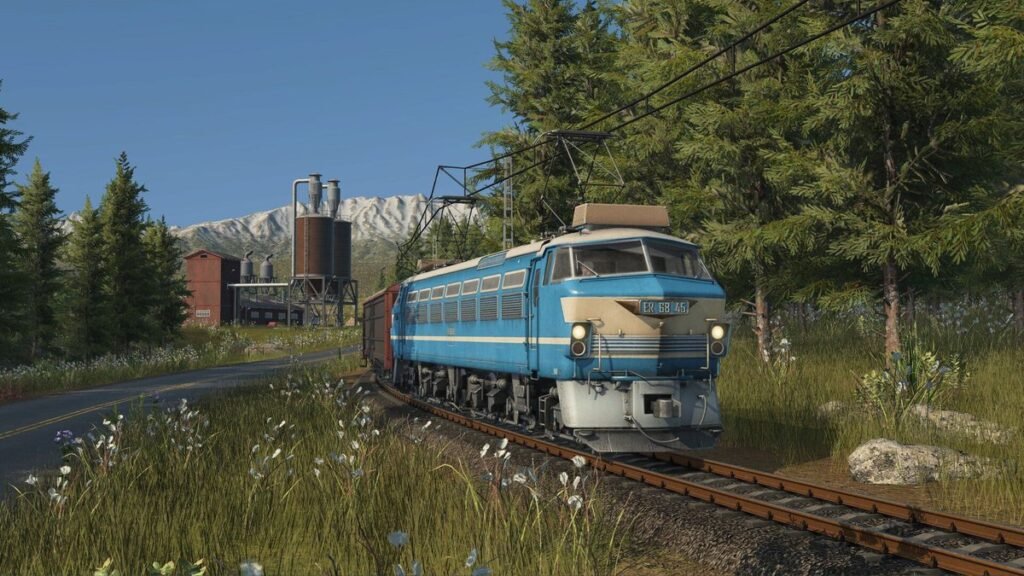
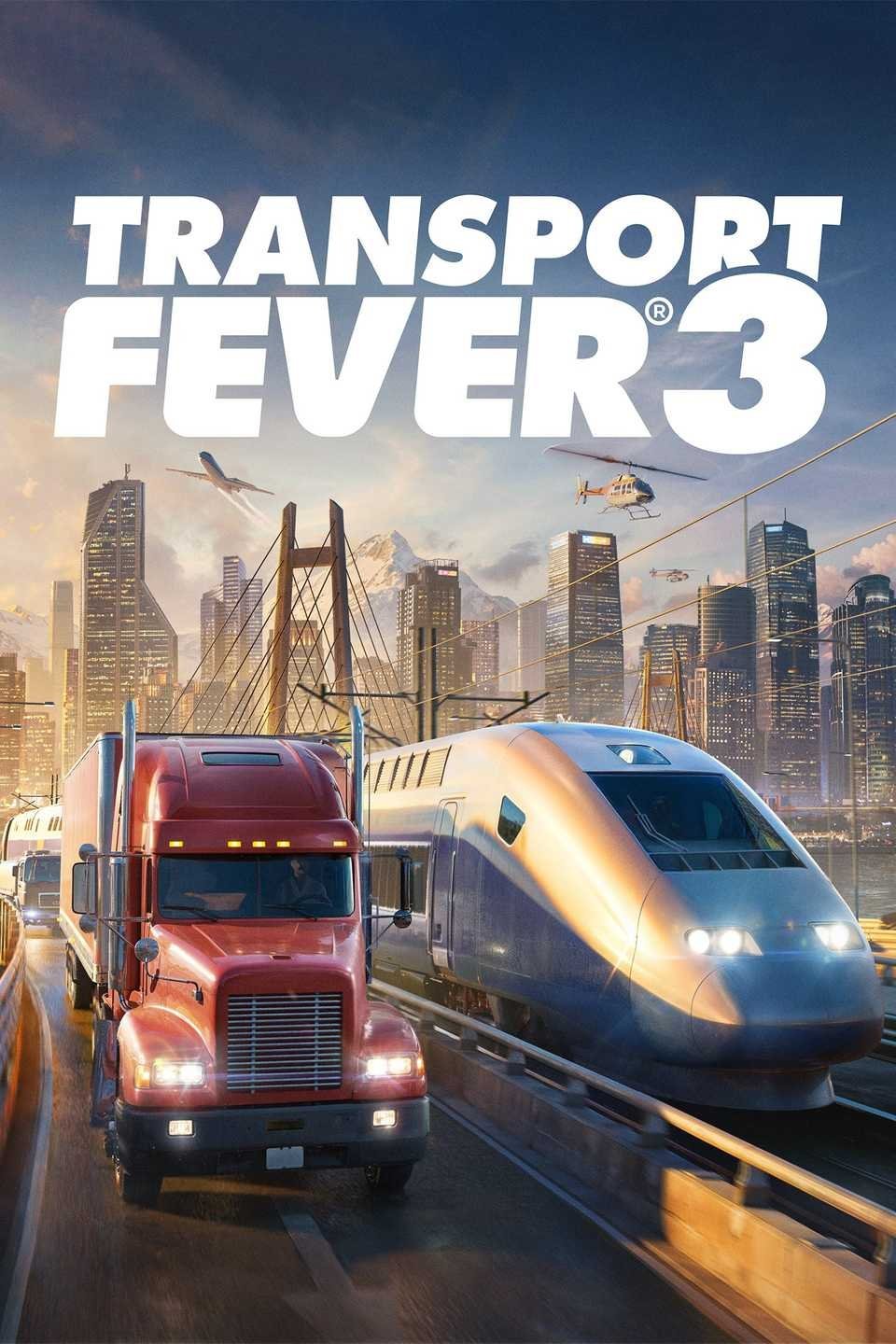
Transport Fever 3 offers players an expansive fleet of over 294 distinct vehicles, ranging from horse-drawn carriages to cutting-edge electric and autonomous transport. The game's vehicle roster spans more than 150 years of transportation history, from 1860 to 2040, allowing players to build and manage transport networks across different time periods.
To access all vehicles immediately upon starting a career, players should activate two mods before beginning gameplay. The Sandbox Mode mod allows the player to set the game's date to any year after starting, making it possible to jump to 2040 and unlock all available vehicles. The No End Year mod ensures every vehicle remains usable regardless of the current year, preventing older transport methods from becoming obsolete and unavailable.
The game's vehicle collection is divided into multiple categories. Passenger road vehicles include early options like the Droshky from 1892 and progress through modern buses such as the Mercedes-Benz eCitaro and King Long Merry Combo, available in 2019 and 2029 respectively. Cargo road vehicles range from small horse carriages dating to 1885 through to the Tesla Semi, which becomes available in 2030. Modern electric trucks like the Mercedes-Benz Urban eTruck and Rivian EDV Box represent the latest in sustainable freight transport.
Rail transport encompasses trams, trains, and multiple-unit vehicles. Tram options include passenger railcars, cargo-carrying variants, and locomotives spanning from the Horse Tram of 1890 to the Stadler TINA arriving in 2024. Train locomotives represent some of the most expensive and powerful vehicles in the game, with historic steam engines like the Prussian Class T 3 from 1882 alongside modern electric locomotives such as the Stadler Eurodual introduced in 2018. Train wagons and multiple-unit trains offer additional capacity for both passengers and cargo, with options ranging from 19th-century passenger coaches to high-speed units like the Fuxing Hao capable of 350 km/h.
Water transport includes passenger ferries, cargo ships, and specialized vessels. The roster begins with the Dunara Castle from 1875 and extends to futuristic options like the Solar Shuttle arriving in 2035. Notable passenger ships include the TS Queen Mary from 1930 and modern fast ferries, while cargo vessels range from traditional trawlers to contemporary tankers and the autonomous Yara Birkeland launching in 2030.
Aircraft span from early aviation through contemporary jets. The collection starts with the Junkers F 13 Herta in 1920 and includes iconic aircraft like the Douglas DC-3 and the supersonic Concorde. Modern airliners such as the Boeing 737-700 and Airbus A220 represent current-generation passenger transport, while cargo-focused variants provide freight capacity. The final aircraft available is the Airbus Canada A220 in 2013.
Helicopters round out the fleet, offering specialized transport and cargo capabilities. Options range from the Bell 47 in 1950 through modern heavy-lift variants like the Mil Mi-26TC and the NextGen VTOL arriving in 2030. Each vehicle carries specific statistics including purchase price, annual operating cost, passenger or cargo capacity, and maximum speed, allowing players to make strategic decisions about their transport networks based on route requirements and budget constraints.





1 thought on “Transport Fever 3 Features Over 294 Vehicles”