
Volvo’s 2028 XC60 and XC90 plug-in hybrids double their
 James Whitfield
2 min read
James Whitfield
2 min read
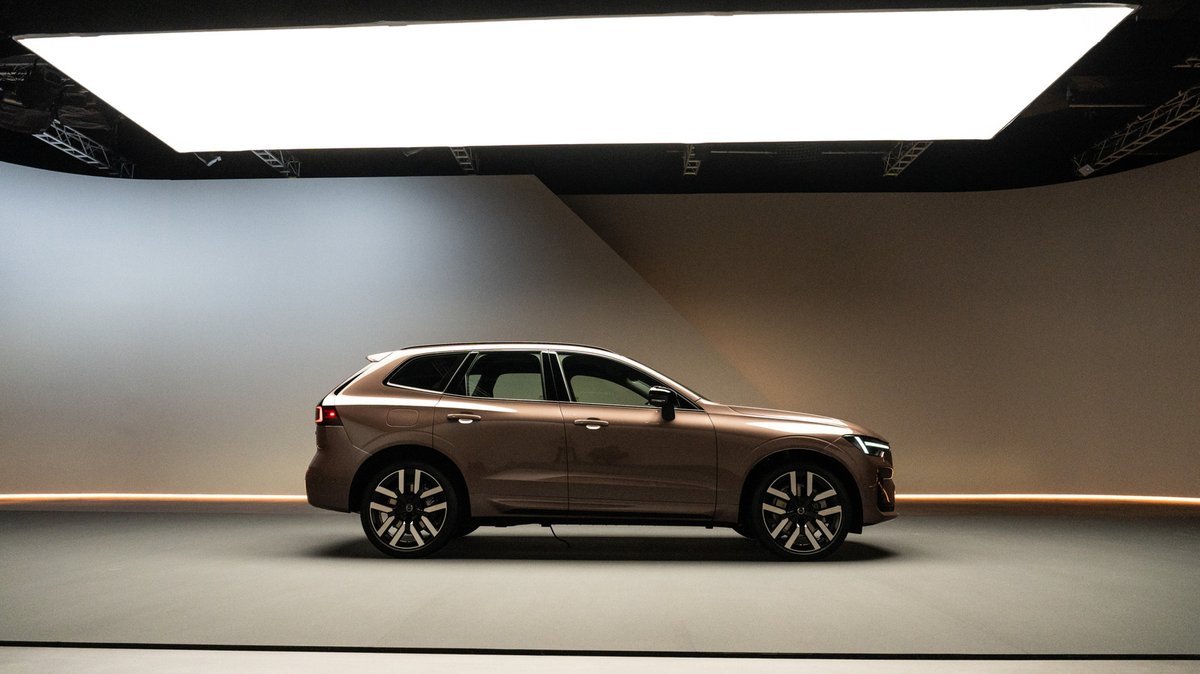
Volvo is significantly expanding the electric capabilities of its popular XC60 and XC90 plug-in hybrid SUVs, doubling their all-electric range and adding new safety technologies to appeal to buyers seeking a middle ground between traditional combustion engines and full electrification.
The 2028 XC60 will travel up to 78 miles on electric power alone, more than double its previous 35-mile capability, while delivering 590 miles of total range when combining battery power with a full tank of gasoline. The larger XC90 three-row model achieves 73 miles of electric-only range and 560 miles total, representing a substantial leap in practicality for daily commuting. These improvements stem from a redesigned powertrain that maintains the familiar 2.0-liter turbocharged four-cylinder engine and electric motors but pairs them with a significantly larger battery pack offering 41.2 kilowatt-hours of capacity, with 37.9 kWh available for use.
Despite the battery expansion, the plug-in hybrid variants retain their current system output of 455 horsepower distributed to all four wheels. The XC60 T8 accelerates from zero to 60 mph in 4.5 seconds, while the XC90 T8 takes 4.9 seconds. For buyers uninterested in plug-in capability, Volvo continues offering mild hybrid alternatives: the XC60 B5 delivers 247 horsepower and achieves 26 miles per gallon combined, while the XC90 lineup includes both a 247-horsepower B5 and a more powerful 295-horsepower B6 mild hybrid option.
Beyond powertrain enhancements, the XC60 receives upgraded safety systems designed to support autonomous driving features. An additional radar sensor in the front improves obstacle detection, while enhanced cameras provide 360-degree visibility around the vehicle. A new processor aggregates data from these sensors, enabling a lane-change assist feature that automatically manages highway lane transitions at the driver's direction. Volvo plans to introduce additional capabilities through over-the-air software updates, leveraging the upgraded computing platform.
Inside, both models feature an 11.2-inch vertical touchscreen display that protrudes slightly above the dashboard, providing more interactive space than previous generations. The interface runs on Google's platform and now incorporates Gemini artificial intelligence integration. Notably, Volvo retained physical controls including a volume knob, preserving tactile operation for essential functions.
Exterior revisions remain understated, consistent with Volvo's Scandinavian design philosophy. The XC60 undergoes more noticeable changes, including new active-matrix LED headlights capable of dimming individual sections to avoid blinding oncoming drivers. The front fascia, liftgate, rear bumper, and LED taillights receive updates, though the overall appearance shifts toward simplified lines with fewer creases and vents. The XC90 changes prove even more minimal, with only a new "Long Range" badge distinguishing the updated model, as the current generation already incorporates the larger display and Gemini functionality.
Current pricing provides a baseline for comparison: the 2026 XC60 T8 starts at $62,545, while the 2026 XC90 T8 begins at $77,595. The substantial battery upgrade will likely increase costs for the 2028 models, though Volvo has not yet announced specific pricing. Both vehicles are expected to reach dealerships in early 2027. For buyers seeking full electrification, Volvo's EX60 and EX90 all-electric models remain available as alternatives.