
Why amplifiers matter for audio quality
 James Whitfield
3 min read
James Whitfield
3 min read
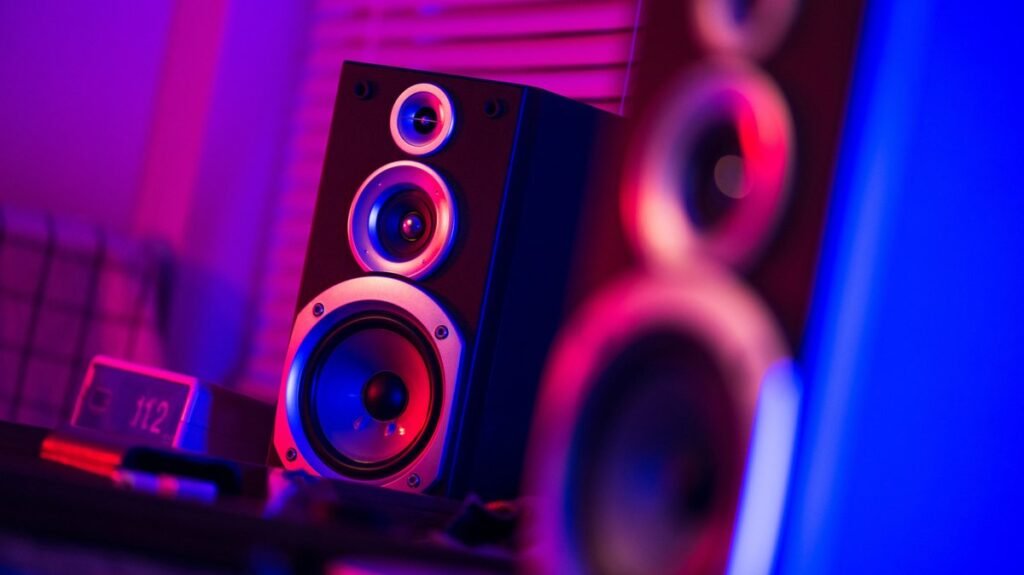
Amplifiers are fundamental to any sound system, yet many people own multiple units without realizing it. Understanding what amplifiers do, how they improve audio, and whether you actually need to buy one separately is essential before investing in audio upgrades.
At their core, amplifiers solve a basic problem: raw audio signals are too weak to produce audible sound on their own. A turntable playing vinyl with speakers disabled produces only faint "needle talk"—the stylus moving across grooves—barely recognizable as music. Every sound system requires amplification to boost signal strength before speakers can output meaningful audio. Beyond simple volume increase, quality amplifiers let listeners adjust gain (the amount of signal boost) and shape tone through equalization controls, allowing customization for heavier bass, clearer vocals, or other preferences. Proper gain and EQ settings are crucial not just for pleasant listening but to prevent clipping, distortion, and hardware damage.
It's worth distinguishing amplifiers from preamps, which raise audio to line level for correct gain management throughout a system. Many modern amplifiers combine both functions. Some also include receiver capabilities, integrating amp and preamp roles into a single unit.
Despite their importance, separate amplifiers aren't always necessary. Most consumer speakers sold today are active, meaning they contain built-in amplifiers powered by individual power cords. Only passive speakers require external amplification, and even then, a receiver often handles the job. Receivers typically combine amplifier and preamp functions, serving as a complete solution for most home audio setups. Only exceptionally demanding systems—such as elaborate Dolby Atmos configurations with more channels than a receiver can power simultaneously—require dedicated external amplifiers.
When amplifiers are needed, solid-state models are the practical choice for most users. Tube amplifiers, while prized for their "warm" sound and retro aesthetic appeal, typically deliver 50 watts or less and require regular maintenance as tubes wear out. Running a surround-sound or home theater system on tube amps would demand purchasing multiple units, making the approach expensive and impractical. Solid-state amplifiers offer better power output, reliability, and cost-effectiveness for modern audio setups.
Before purchasing an amplifier, consider whether other upgrades deliver better value. Speaker quality often matters more than amplification. Upgrading from a basic soundbar to a high-powered Dolby Atmos model creates dramatic improvement. Adding rear and side channels for surround sound enhances spatial separation. Ceiling channels represent the ultimate audiophile addition but require mounting and wiring complexity that may not justify the expense.
Simpler, cheaper fixes often solve common problems. Unwanted rattling yields to speaker stands or isolation mats. Acoustic panels reduce unwanted reverb. Moving speakers away from walls can eliminate muddy bass. Smart speakers with automatic room calibration should be recalibrated whenever room layout changes significantly.
Amplifiers absolutely have a place in quality sound systems, but they're redundant for most listeners who own active speakers or receivers. Unless building a high-end 7.2.4-channel home theater or dedicating serious space to music listening, separate amplification remains an unnecessary expense. Understanding what amplifiers actually do—and what they don't—prevents wasteful purchases and directs audio budgets toward upgrades that genuinely improve listening experience.