
Sony’s AI Self-Repair Patent Raises Hardware Bricking
 James Whitfield
2 min read
James Whitfield
2 min read
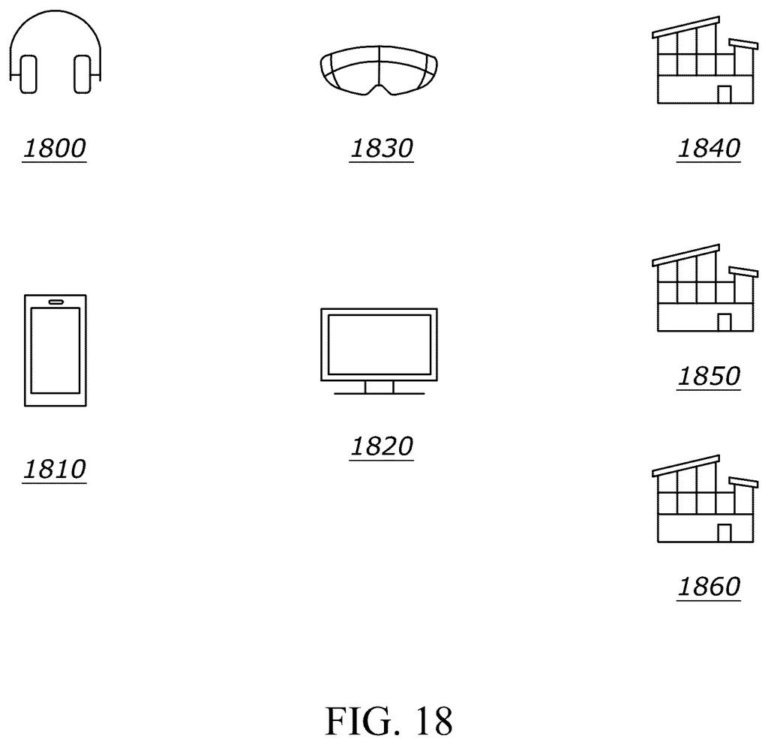
Sony has filed a patent describing a cloud-based artificial intelligence system designed to automatically diagnose and repair device problems on PlayStation consoles, televisions, computers, and other connected hardware. While the concept promises to reduce warranty claims and support costs, security experts warn the approach carries significant risks of permanently damaging devices worldwide.
Under Sony's proposed system, connected devices would continuously transmit diagnostic data to remote servers. When an anomaly is detected, a large language model would generate custom repair code tailored to the specific issue and push it directly onto the affected device. This differs from traditional approaches, which rely on pre-written firmware updates created and tested by human engineers before deployment.
The potential advantages are substantial. Automatically addressing glitches in the background could eliminate user-facing error codes, drastically reduce customer support overhead, and lower the volume of devices requiring warranty service. For consumers, the appeal of seamless, invisible repairs is obvious.
However, the system introduces critical vulnerabilities. Large language models frequently produce flawed, inefficient, or buggy code, particularly under unexpected edge-case conditions. An AI error could generate corrupted diagnostic scripts that damage device partitions or render hardware completely inoperable. Because repairs occur silently in the background, users would have no awareness of what is happening to their devices.
The security implications are even more alarming. Centralizing code-generation authority in a single cloud server creates a massive point of failure. If attackers compromise the server or manipulate the AI's input prompts, they could theoretically inject malicious code into millions of devices simultaneously—including PlayStation consoles, laptops, headphones, and mobile devices across the globe. Sony's history of significant data breaches and cyber-attacks adds weight to these concerns.
For such a system to be implemented responsibly, substantial security safeguards would be essential, along with a clear opt-out mechanism allowing users to decline participation. While Sony's patent represents innovative thinking about AI-driven hardware maintenance, replacing static, thoroughly tested firmware updates with dynamically generated code represents an enormous gamble with consumer hardware integrity.