
Steam’s AI Disclosure Rule Reignites Debate With Epic CEO
 James Whitfield
3 min read
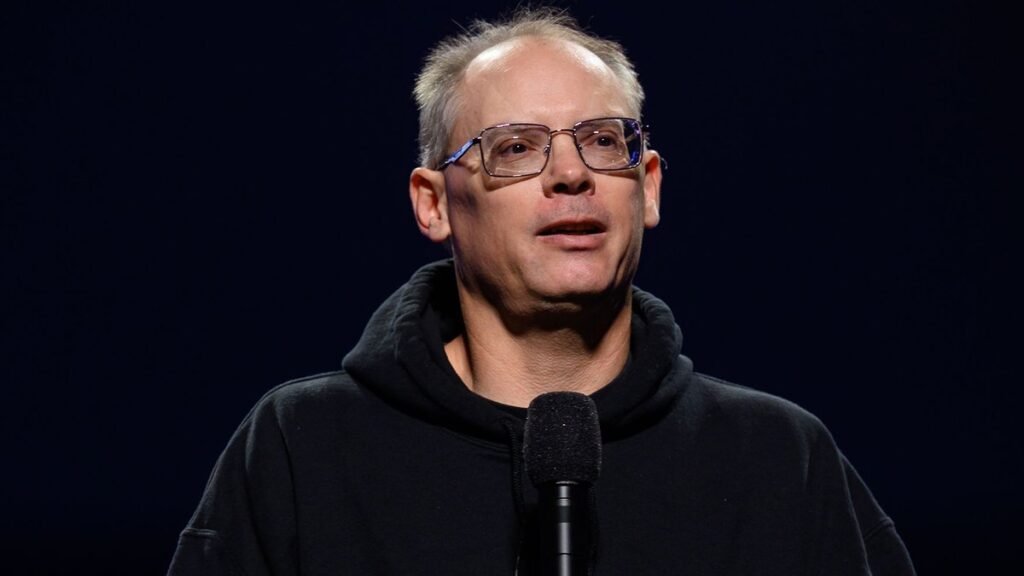
Valve's requirement that developers disclose their use of artificial intelligence in games has become a flashpoint of controversy once again, largely due to sustained criticism from Epic Games CEO Tim Sweeney. The timing is notable, coming as Epic itself announced a shift toward "AI first" development for upcoming Star Wars and Marvel projects, followed by an AI game jam that was later modified to make AI use optional rather than mandatory.
Sweeney has taken his objections to Elon Musk's X platform, where he has repeatedly characterized Valve's disclosure policy as inherently political. In a series of posts throughout late October, he argued that forcing developers to publicly acknowledge AI use amounts to a form of coercion designed to facilitate harassment campaigns. He drew comparisons between the disclosures and mandatory political statements or voting history requirements, framing them as tools that could be weaponized against developers. Sweeney also suggested that Valve's policy undermines developer livelihoods by enabling what he calls "hate campaigns," and he implied that Epic's own platform could capitalize on this perceived weakness if Valve maintains its current stance.
Valve's original rationale for the disclosure requirement was rooted in practical concerns. The company cited uncertainty about how this emerging and legally ambiguous technology would develop within the game industry. In a statement, Valve explained that the policy stemmed from improved understanding of the landscape and risks, informed by conversations with both developers using AI and those building AI tools. The company also indicated that it would revisit the requirement as legal frameworks around AI evolve and as it gains more experience with submissions.

The scale of the platforms involved lends context to the disagreement. Steam released approximately 18,433 games in 2024, while Epic Games Store published around 1,100 titles during the same period. This vast difference in volume suggests that Valve faces a more complex landscape when evaluating AI use across its catalog, potentially justifying a more cautious approach to transparency.
Sweeney's characterization of Valve as an anti-AI company appears somewhat at odds with the company's actual track record. Gabe Newell, Valve's founder, donated $20 million to OpenAI when it was still a nonprofit organization, demonstrating early enthusiasm for the technology. Newell's recent public comments on AI align broadly with those of other technology industry leaders, though typically less hyperbolic. This history suggests that Valve's disclosure policy reflects pragmatism about an evolving technology rather than ideological opposition to AI itself.
The broader context of AI in gaming has grown increasingly fraught. The market has been flooded with low-quality games created with minimal effort using generative tools, often referred to as "slop." AI-generated graphical assets, music, and voice acting have become readily identifiable to players and are frequently perceived as inferior to human-created alternatives. Meanwhile, AI systems have begun facilitating the rapid appropriation of game concepts and even source code. Despite these concerns, AI adoption in game development will likely continue to expand, though serious developers may increasingly recognize that audiences prefer human-created sensory elements. Much of the resistance to AI in gaming appears driven by visceral reactions to visible AI artifacts rather than principled opposition to the technology itself.
Recent Steam revenue data provides additional perspective on the market. Modern Warfare 4's early campaign access through pre-orders secured strong sales performance following its October 23 release, though it did not surpass PUBG. The survival game Enshrouded returned to the revenue charts after reaching version 1.0 following early access. Notably, Over the Hill, a relaxing offroading simulator from the creators of Art of Rally, achieved 11th place on the revenue rankings for mid-October, outperforming the newly released Castlevania game, which placed 15th. This result underscores the continued popularity of simulation and offroading titles on the platform.
Whether Sweeney's renewed focus on Valve's AI policy reflects genuine concern about developer welfare or strategic positioning against a competitor remains unclear. What is evident is that as AI technology continues to reshape game development, the question of how platforms should address its use will remain contentious among major industry players.