
Mass Effect 5 was planned as galactic Cold War, leak reveals
 James Whitfield
3 min read

Details about the unreleased Mass Effect game BioWare was developing have surfaced following the studio's closure, painting a picture of an ambitious sequel that would have departed significantly from recent entries in the franchise.
A content creator who claims membership in BioWare's Mass Effect community council has shared extensive information about the project's design. The creator, known as Dantics, stated he had access to the game during development and provided feedback as part of the council. While his role has not been independently verified by Electronic Arts or BioWare, community members have corroborated his involvement, and Mass Effect veteran Michael Gamble, who served as project lead on the next game, follows him on social media. BioWare has previously acknowledged the existence of community councils in official updates, and they appear in credits for titles including Mass Effect: Legendary Edition and Dragon Age: The Veilguard.
According to the leaked information, the game was set approximately 600 years after the events of the original trilogy's Reaper War. Players would have assumed the role of a customizable N7 agent designed as a hybrid between action-movie archetypes—described as a cross between John Wick and James Bond. Rather than facing an extinction-level threat similar to the Reapers, the narrative would have centered on geopolitical tension across the galaxy.
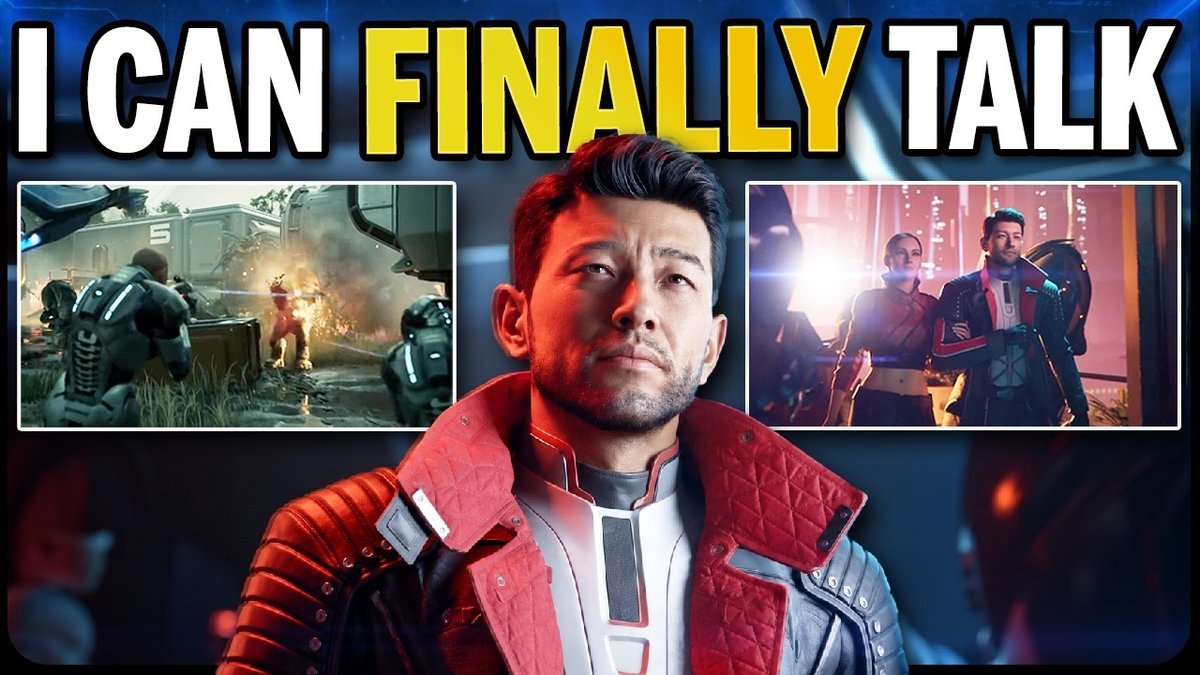
The galactic landscape had been reshaped into three competing power blocs. One faction united humans, Krogan, Batarians, and other species. A second bloc consisted of the Council Races—Asari, Salarians, and Turians. The Geth had emerged as a third superpower, having constructed massive megastructures throughout known space. This three-way standoff created the central conflict framework, framed as a "galactic Cold War" rather than a direct military confrontation.
Gameplay mechanics reflected a shift toward player agency and environmental interaction. The agent would have possessed experimental cybernetic implants enabling abilities such as seeing through walls, identifying enemy systems, and remotely triggering environmental hazards. Combat would have emphasized brutal close-range finishing moves. Mission design drew inspiration from the original trilogy's handcrafted approach while incorporating Hitman-style flexibility in how objectives could be completed. Squadmates were designed to have conflicting personalities that could create tension during gameplay.
The game was engineered to accommodate all three endings from the original Mass Effect 3, rather than declaring one canonical. By the 600-year time jump, the Reapers had become obsolete technology and posed minimal threat. Advanced cybernetics, which would be commonplace in this era, aligned with the synthesis ending's thematic elements. Players who selected the destroy ending would find their original Shepard character had not survived the centuries, though his legacy would persist in the galaxy's history.
Additional features included connections between the Milky Way and Andromeda galaxies, suggesting the events of Mass Effect: Andromeda would have been integrated into the broader narrative. Romance options were being developed without what the leaker characterized as sanitization, and the character Liara would return as an exceptionally powerful Asari matriarch, reflecting her advancement across the centuries.
The project represented a deliberate effort to recapture the core appeal of the original trilogy while enabling new creative directions. The setting provided sufficient temporal distance to justify departing from established formulas while maintaining familiar elements that had resonated with the franchise's dedicated audience. However, with BioWare's closure, the likelihood of this game reaching completion appears minimal, barring an unlikely decision by Electronic Arts to license the Mass Effect intellectual property to another studio.