
Ocarina of Time Remake Proves 30-Year-Old Design Still
 James Whitfield
4 min read
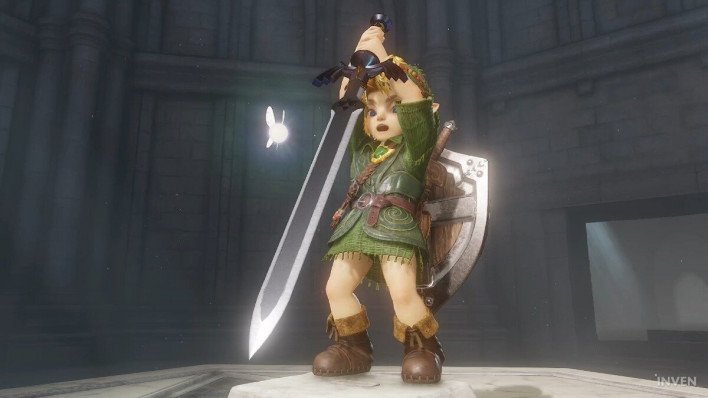
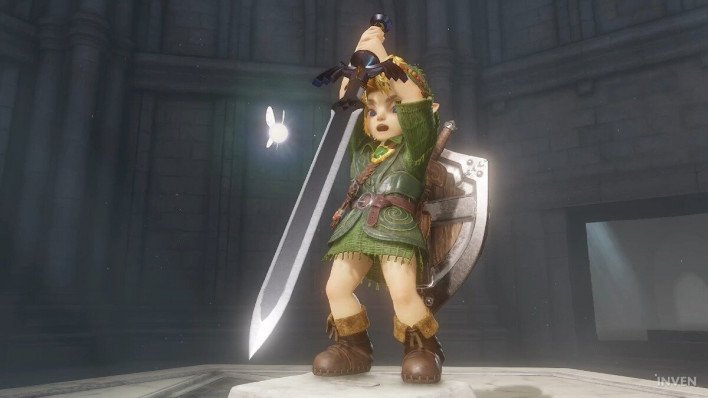
The Nintendo Switch 2 remake of The Legend of Zelda: Ocarina of Time stands as a powerful reminder that exceptional game design transcends hardware limitations and the passage of decades. While the title receives a visual overhaul befitting modern hardware, the core experience remains nearly identical to the 1998 original—yet this fidelity to the source material only reinforces why the game deserves its status as a foundational blueprint for the entire 3D action-adventure genre.
Ocarina of Time pioneered many systems that define contemporary open-world games. The Z-targeting mechanic established the fundamental vocabulary for camera control, aiming, and combat engagement that countless games have adopted since. The game introduced three-dimensional terrain navigation, separated exploration spaces from contained dungeons, and created a world structure that expanded organically as players acquired new tools and abilities. This framework—where exploration, combat, and puzzle-solving operate within a unified control scheme—became the template for modern AAA open-world design. Yet recommending the original to contemporary players proved challenging. A 1998 Nintendo 64 title with dated visuals presented a significant barrier, especially for audiences introduced to the franchise through the massive commercial success of Breath of the Wild and Tears of the Kingdom on Nintendo Switch.
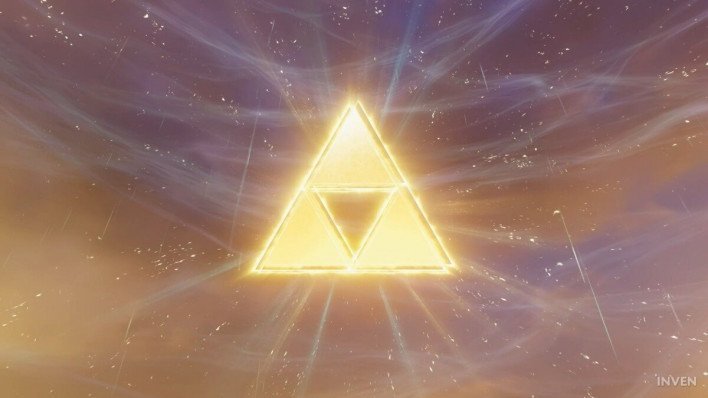
The remake addresses this accessibility problem while preserving what made the original exceptional. The narrative structure exemplifies how gameplay and story can interweave seamlessly. Young Link's journey follows a classic fantasy arc centered on the Demon King Ganon and the Triforce, but this simplicity serves the gameplay progression perfectly. Each story beat—trials, item acquisition, dungeons, boss encounters, and sage awakenings—flows naturally from the player's progression. Tools obtained from dungeons function simultaneously as narrative keys and puzzle-solving instruments, making story advancement feel organic rather than artificially gated. The silent protagonist design, complemented by the fairy Navi, emerged from the developers' desire to avoid heavy-handed guidance after creating the targeting system, yet this constraint produced a narrative framework that encourages player agency without friction.
The world design demonstrates similar sophistication. By modern standards, Hyrule is remarkably compact—a single zone in contemporary AAA games. Yet the developers filled this space with intentional discovery rather than quest markers. Non-player characters offer dialogue that reveals side quests, hidden secrets, and story clues without explicit prompts. Collectibles like Gold Skulltulas are scattered across the map to be stumbled upon naturally, encouraging thorough exploration without checklist completion. The ratio between wandering and main-story progression feels intuitively balanced, making exploration feel like genuine discovery rather than mandatory detours.
Time itself functions as a structural pillar. After pulling the Master Sword, players jump seven years forward, then travel between young and adult Link's timelines. This mechanic serves multiple purposes: gameplay-wise, it expands regional layouts and creates temporal puzzle-solving requirements, where actions in the past affect the future and vice versa. Narratively, it allows players to witness the consequences of Link's heroism—a world transformed by his actions, yet one where his personal bonds fade as he returns to the past with only his memories intact. This bittersweet ending, where the hero's sacrifice erases his own timeline, adds emotional weight that transcends typical adventure narratives.
The Switch 2 remake's visual presentation enhances rather than transforms this experience. The original's hardware limitations forced minimal facial expressions, making Link a blank canvas for player projection. The remake adds subtle emotional expressiveness—hesitation, fear, resolve—that externalizes Link's journey from a personal player experience into the tragedy of an individual character. Yet the cinematic direction remains faithful to the original, with character movements, actions, and camera angles preserved verbatim. This fidelity demonstrates how timeless the original's direction truly was. The graphics themselves are technically impressive within Switch 2's constraints, featuring realistic depth of field, detailed environmental interactions like smoke scattering from sword slashes, and stylized character designs that contrast purposefully with the naturalistic world.
The music equally honors the original's approach, emphasizing regional exploration and dungeon-solving rather than conforming to open-world conventions. The Ocarina itself serves as both a puzzle-solving tool and narrative device, with the soundtrack reinforcing its importance throughout.
Gameplay refinements introduced in the remake address hardware constraints without altering core design. Clearer Hookshot target visualization, added jump and dash options, quick item-swapping, and Water Temple improvements streamline the experience while preserving the original's logic. Puzzle-solving remains intuitive, rewarding genuine contemplation rather than forced mechanics. The developers appear to have stepped into players' shoes, anticipating natural problem-solving approaches and delivering meaningful results.
Ultimately, Ocarina of Time's enduring excellence stems from design sophistication that transcends graphical fidelity or control modernization. Like Citizen Kane in cinema or Seven Samurai in film, the game deconstructed traditional structure to reveal what truly matters in its medium. Nearly three decades later, this remake proves that the original's gameplay and directional vision remain textbook perfection. To contemporary games that have expanded in scope only to lose focus within their own scale, Ocarina of Time offers a timeless lesson: greatness emerges from clarity of purpose, not accumulation of features.