
Blizzard’s Classic Game Revival: A Step Toward Its Storied
 James Whitfield
3 min read
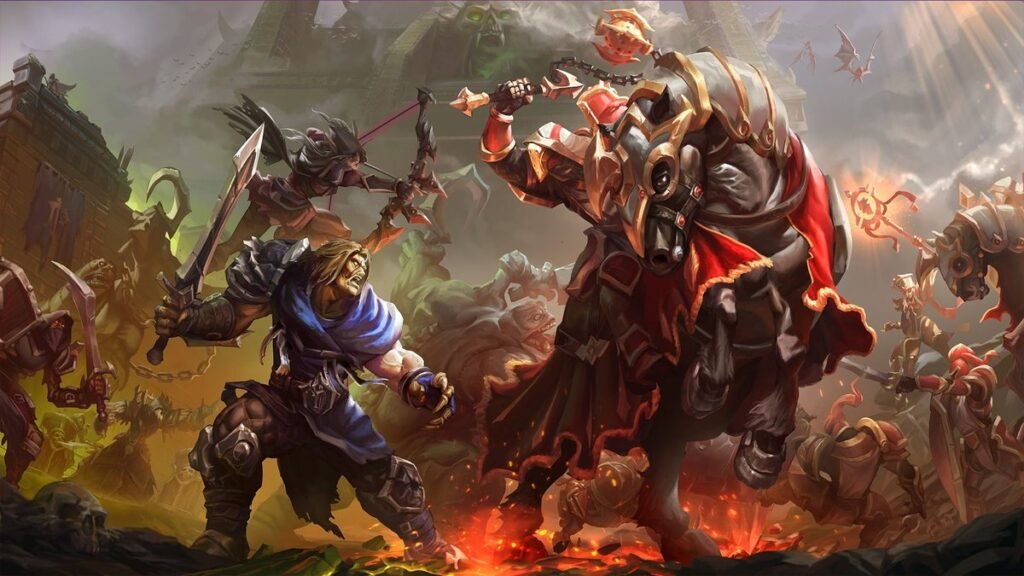

Blizzard's announcements at BlizzCon 2026 have sparked debate about whether the company is genuinely returning to the values that defined its reputation during its peak years, or simply making selective gestures toward nostalgia.
The studio revealed a substantial slate of new projects, including World of Warcraft: Forever, Diablo 5, and a StarCraft-universe open-world shooter. Yet the most telling moment may have been the opening announcement: Heroes of the Storm, Blizzard's niche multiplayer online battle arena that had languished in maintenance mode since 2022, would receive its first new playable character in six years—the World of Warcraft antagonist Xal'atath. The crowd's muted response underscored how far the title had fallen from relevance, but Blizzard's decision to lead with this reveal suggests something more deliberate than mere scheduling quirk. By prioritizing Heroes of the Storm despite its commercial underperformance, the company appeared to be signaling a commitment to communities it had previously abandoned.
This move resonates with a particular strain of Blizzard nostalgia that has persisted among millennial gamers. During its golden era, Blizzard cultivated a reputation for an unusually respectful relationship with its player base—an implicit promise that the studio would stand by its games and communities rather than simply sunset projects that failed to meet commercial targets. While such practices are now standard across the industry, Blizzard's willingness to resume active development on Heroes of the Storm suggests the company recognizes the value of that historical goodwill. The game's community manager, James Yen, has carefully framed the revival around sustainability rather than grand promises, but the shift has generated genuine optimism among longtime players who had accepted the game's fate as final.
Warcraft 3: Reforged offers another example of Blizzard attempting to rehabilitate its relationship with legacy titles. The 2020 remaster launched to widespread criticism over its graphics quality, missing multiplayer features, and general sense of incompleteness. However, the studio has since released multiple updates, culminating in Forsaken Kingdom, a full-length campaign DLC that arrived during BlizzCon weekend. While some players have balked at the $30 price tag and certain original complaints remain unresolved, the broader reception suggests that meaningful new content for a 24-year-old real-time strategy classic represents a genuine commitment to the franchise's longevity.
Yet Blizzard's approach to legacy support remains inconsistent. Diablo 3 was quietly shifted into unofficial maintenance mode shortly before Diablo 4's 2023 release, despite the older title maintaining millions of active players. While the company has rolled out significant updates for Diablo 1: Resurrected, Diablo: Immortal, and Diablo 4 as part of the series' 30th anniversary celebration, Diablo 3's absence from these efforts is conspicuous. The likely explanation involves fears of cannibalizing players from Diablo 4, with resources concentrated on the current flagship title and its eventual successor. This calculus makes business sense but stands in stark contrast to World of Warcraft's approach, which now supports multiple distinct versions of the game simultaneously. The disparity raises questions about whether Blizzard's newfound care for legacy games extends only as far as cost-benefit analyses permit.
The most cynical interpretation is that nothing has fundamentally changed at Blizzard—that recent decisions simply reflect which projects cleared internal profitability thresholds. A Heroes of the Storm hero or Warcraft 3 campaign would seem unlikely candidates for maximum return on investment, yet Blizzard proceeded anyway. This suggests that opportunities to rebuild the company's reputation as a steward of its own franchises are being recognized and seized by developers with genuine affinity for specific titles. Rather than a top-down mandate to restore the "old Blizzard," these moves may represent individual teams within the organization advocating for their games and finding receptive leadership.
The version of Blizzard that players nostalgically recall—the studio perceived as uniquely honorable and committed to its communities—likely cannot be fully resurrected. The company has grown more corporate, and shareholder considerations now shape decisions in ways they did not decades ago. However, the willingness to invest resources in games that may never generate blockbuster returns suggests that some institutional memory of Blizzard's founding values persists. For fans of dormant franchises, the lesson is bittersweet: the heart that once defined the studio still beats, but access to its attention and resources remains unpredictable and contingent on circumstances beyond any single community's control.




2 thoughts on “Blizzard’s Classic Game Revival: A Step Toward Its Storied”