
Control Resonant’s bosses draw inspiration from Escher and
 James Whitfield
3 min read
James Whitfield
3 min read

Remedy Entertainment has revealed fresh details about Control Resonant, the action RPG sequel launching September 24, showcasing how the studio drew unconventional inspiration for its boss design and world-building.
Control Resonant follows Dylan Faden, brother of the original game's protagonist Jesse Faden, as he awakens from a coma to find Manhattan overrun by two threats: the Hiss entities that escaped containment, and a mysterious phenomenon called the Patterning that warps reality itself. The Patterning transforms people into monstrous beings known as Resonants while distorting the environment's geometry and physics. Dylan possesses the ability to manipulate gravity, allowing him to walk on walls and ceilings as the world shifts around him.
Rather than looking to established video game conventions, Remedy's creative team sought inspiration from visual artists and filmmakers. The geometric impossibilities of M.C. Escher's work, along with surreal films including A Field in England and Paprika, informed the game's aesthetic and design philosophy. Creative director Mikael Kasurinen explained that this approach stems from a desire to take creative risks in an industry where games increasingly resemble one another. Art director Elmeri Raitanen emphasized that the Patterning affects not just the environment's appearance but also time and light itself, creating a genuinely disorienting atmosphere.
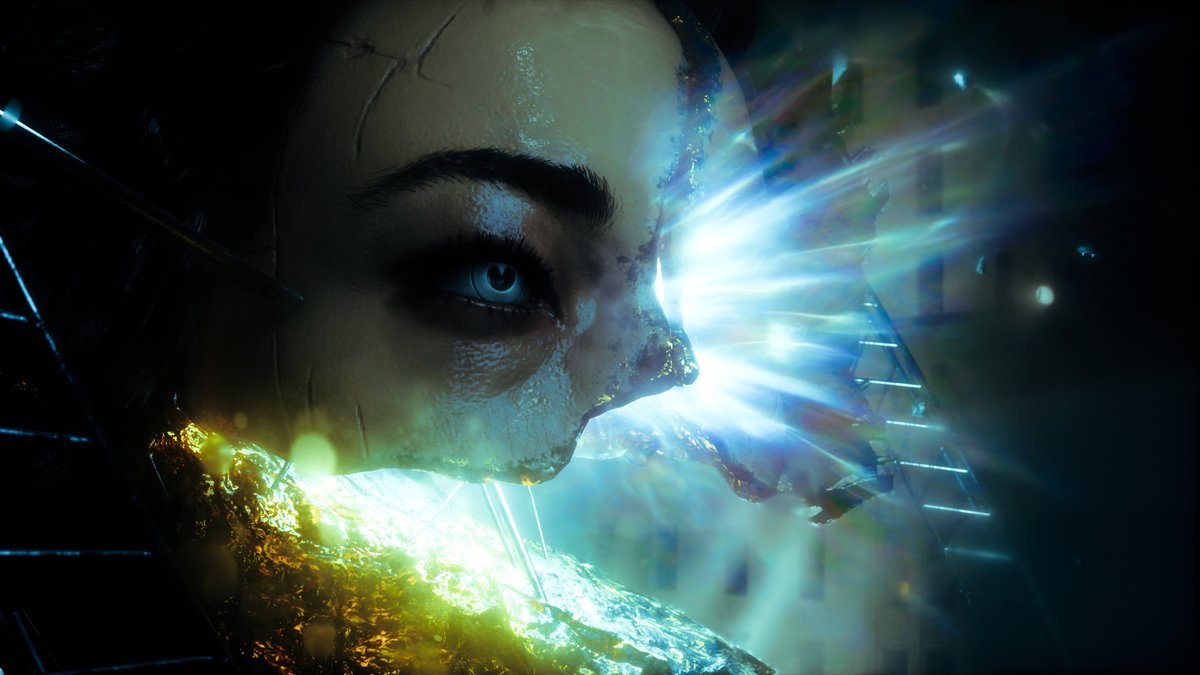
The Resonant bosses themselves represent the most intriguing aspect of this design philosophy. These twisted human figures grant Dylan new powers when defeated, but the game doesn't mandate fighting every available boss. As an open-world experience, Resonant requires players to defeat a certain number of Resonants to progress, but more options exist than required, creating unpredictable playthroughs. Lead level designer Anne-Marie Grönroos noted that this flexibility sometimes produces unexpected outcomes—one playtester didn't acquire the gravity-shifting ability until much later than developers anticipated, demonstrating how player choice shapes individual experiences.
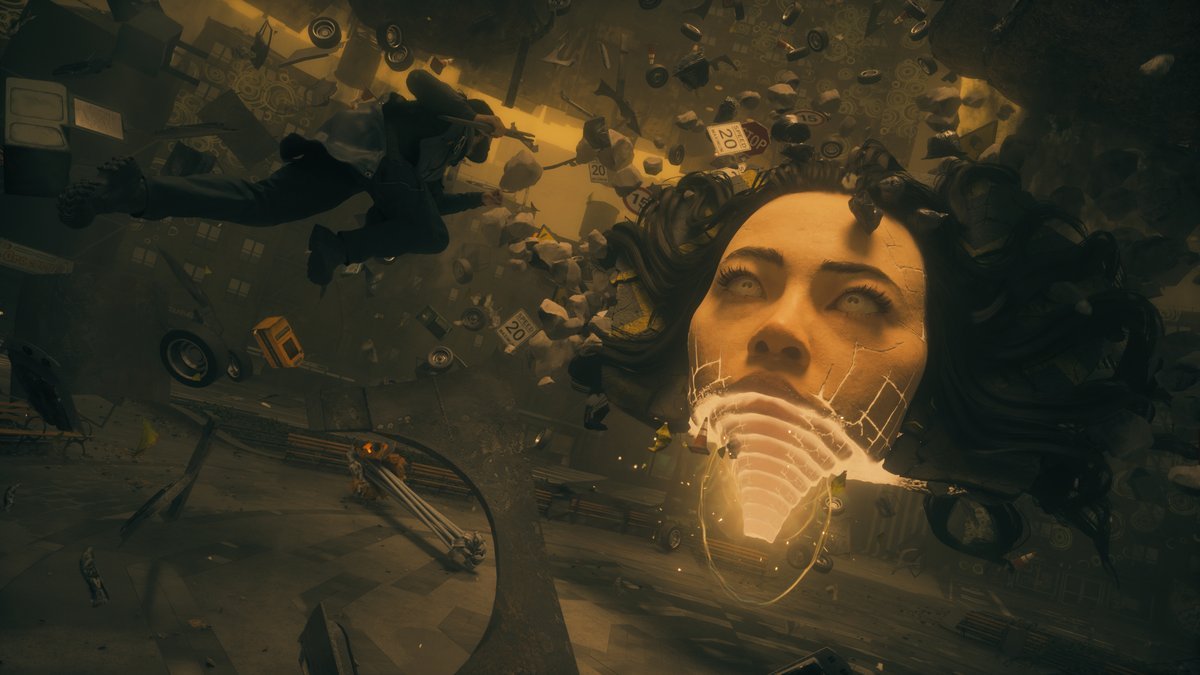
The bosses themselves showcase remarkable variety in design and execution. One Resonant is a massive creature that spits lava, another manifests as a colossal floating head, while a third takes the form of an elegant figure based on a dancer. For this particular boss, Remedy collaborated with professional dancers to capture authentic movement, recognizing that choreography was central to the encounter's impact. Composer Petri Alanko created music for the dancer boss using an unconventional approach: he constructed rhythms based on Fibonacci numbers, where each beat follows the mathematical sequence of 1, 1, 2, 3, 5, 8, 13, 21, and beyond.
Alanko's sound design extends beyond individual boss encounters. Since Dylan is essentially reborn without the Hiss's influence, his audio signature evolves throughout the game. Early in the experience, sounds associated with Dylan consist of simple sine waves—the most fundamental form of sound. As he develops as a character and warrior, the audio becomes increasingly complex, with additional frequencies and textures enriching his sonic identity. This approach mirrors Dylan's personal journey of self-discovery.
Despite the focus on Dylan and his connection to Jesse Faden, creative director Kasurinen emphasized that Control Resonant won't follow the narrow family-focused storytelling of franchises like Star Wars. Instead, Remedy envisions a expansive universe populated by diverse characters and narratives. Drawing inspiration from pen-and-paper role-playing games, the developers aim to establish a world with consistent rules that players can experience from multiple perspectives, allowing for broader storytelling possibilities beyond any single protagonist.
Control Resonant launches September 24 on Steam, with pre-orders available now. The game represents Remedy's most ambitious sequel yet, blending unconventional artistic influences with dynamic gameplay systems designed to create unique experiences for each player.